

Gopher activity continues to create challenges for property owners. What once seemed like an occasional landscaping issue has become a larger property maintenance concern. Rising repair costs, changing property management priorities, and new technology are influencing how people approach underground rodent problems. At the same time, pest management companies are adopting more precise and proactive strategies. Understanding the trends shaping 2026 can help property owners make smarter decisions before damage becomes costly.
How Gopher Control Trends Affect Property Protection
Gopher control continues to evolve as new technologies, monitoring methods, and treatment strategies emerge. Property owners who stay informed about these changes can make better decisions when protecting landscapes, irrigation systems, and outdoor investments. Understanding current trends also helps identify opportunities to address activity earlier and more effectively. As pest management practices become more precise and proactive, keeping up with industry developments can lead to lower repair costs and stronger long-term property protection.
What’s Changing in Gopher Management in 2026
New technology, preventive strategies, and more targeted treatments are reshaping industry practices. Service providers are also adapting to changing customer expectations and property management priorities. Understanding these developments helps explain why the following trends are gaining attention in 2026.
Early Detection is Becoming More Technology-Driven
Property owners no longer want to wait until mounds appear throughout the landscape. New detection tools and monitoring methods are helping professionals locate activity sooner. This shift is making gopher management more efficient and more proactive.
Digital Mapping Improves Monitoring
Many pest management companies now use digital mapping systems to track activity across a property. These records help identify recurring hotspots and areas with a history of infestations. Historical records make it easier to spot patterns that may otherwise go unnoticed. Property owners gain a clearer understanding of where problems develop and how they change over time. As technology becomes more accessible, digital monitoring is expected to become increasingly common.
Advanced Detection Reduces Guesswork
Professionals are also adopting new methods that help locate active tunnel systems more accurately. Instead of relying only on visible signs, technicians can focus on areas with confirmed activity. This approach improves treatment efficiency by directing resources where they are most needed. Property owners often see faster results when the source of the problem is identified quickly. Better detection also helps reduce unnecessary disturbance to unaffected areas.
Targeted Treatments Are Replacing Broad Approaches
The industry is moving away from treatments that cover large areas without confirming activity. This trend reflects a growing demand for efficiency and accountability. As a result, treatment plans have become more precise than ever.
Precision Trapping Gains Popularity
Trapping remains one of the most effective methods for managing active gopher populations. However, today’s approach focuses heavily on locating active tunnels before placing traps. This process improves success rates because efforts target current activity rather than suspected activity. Many professionals now spend more time evaluating tunnel systems before selecting a treatment strategy. Precision trapping is expected to remain a leading trend throughout 2026.
Activity-Based Treatment Plans Reduce Waste
Many companies now build treatment plans around verified activity rather than applying the same strategy across an entire property. This approach helps improve efficiency while reducing unnecessary treatments. Active tunnel identification guides decisions throughout the process. Targeted plans also make it easier to evaluate results over time. The growing preference for activity-based management reflects the industry’s broader move toward precision.
Property Owners Are Prioritizing Prevention
Many now recognize that prevention often costs less than extensive repairs. This change in mindset is driving demand for monitoring and inspection programs. Preventive management continues gaining momentum across both residential and commercial properties.
Monitoring Programs Replace Reactive Treatments
Many property owners are shifting from one-time service calls to ongoing monitoring programs. Regular inspections help identify activity before tunnel systems expand across a property. This approach allows problems to be addressed while they are still manageable. Property managers often favor monitoring because it supports long-term maintenance planning. Homeowners also appreciate the added confidence that comes with routine oversight. Monitoring programs are becoming a standard part of modern gopher management services.
Early Intervention Protects Property Investments
Landscaping, irrigation systems, and outdoor amenities represent significant investments. Property owners increasingly view gopher control as part of protecting those assets. Early intervention can help prevent root damage, irrigation issues, and declining landscape health. Small infestations are usually easier and less expensive to manage. This proactive approach helps reduce unexpected repair costs later. Protecting property value remains a key reason preventive services continue to grow.
Regular Inspections Support Long-Term Control
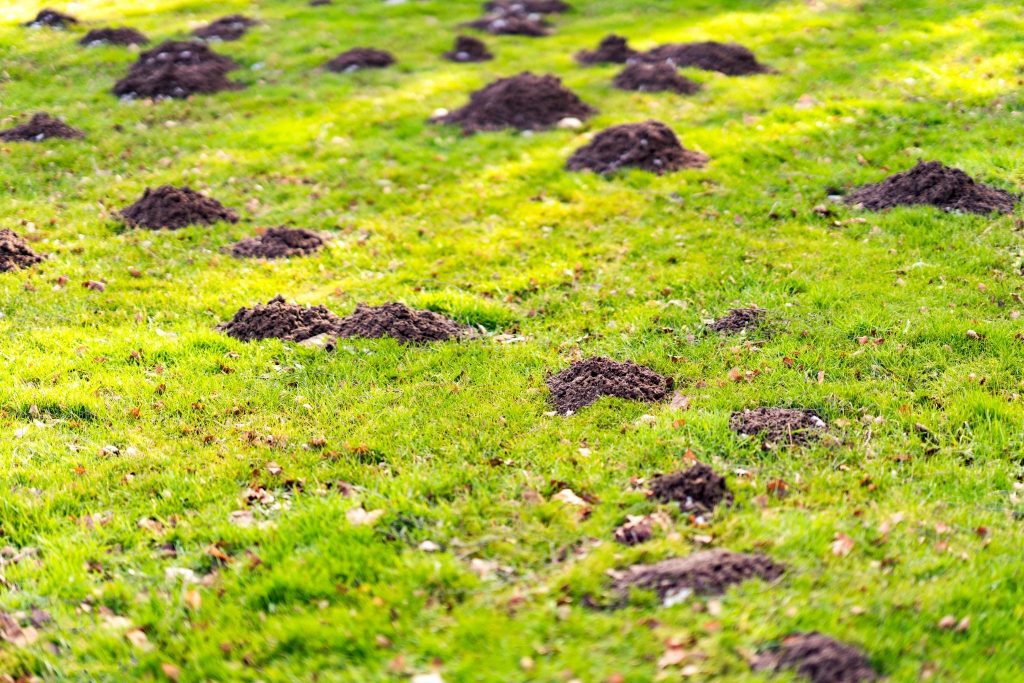
Many gopher infestations begin with subtle signs that are easy to overlook. Fresh soil mounds may appear in isolated areas before activity spreads. Regular inspections help identify these warning signs early. Property owners can address problems before tunnels expand across valuable landscape areas. Consistent evaluations also make it easier to measure changes over time. This proactive approach supports more effective long-term management.
Data-Driven Pest Management is Expanding
Pest management companies are responding with detailed tracking, reporting, and performance monitoring. Better data helps support stronger decision-making and more effective planning. This trend is changing how infestations are evaluated and managed.
Property History Guides Future Decisions
Historical activity records provide valuable insight into recurring infestations. These records help professionals identify areas where problems develop repeatedly. For larger properties, long-term tracking can reveal patterns that might otherwise remain hidden. Property owners gain a better understanding of risk levels across different sections of their landscape. Better information supports more strategic treatment decisions.
Reporting Creates Greater Transparency
Many clients now expect clear documentation of findings and recommendations. Detailed reports help explain where activity was found and what actions were taken. Property owners can use this information to monitor progress and plan future maintenance. Commercial property managers often rely on reports when preparing budgets and maintenance schedules. Transparency also helps strengthen communication between service providers and clients. This growing expectation continues influencing industry standards.
Commercial Properties Are Investing More
Commercial property owners are becoming increasingly proactive about managing burrowing pests. Landscaping, infrastructure, and public-facing areas require ongoing protection. As repair costs increase, many organizations are choosing prevention over reactive repairs. This trend is driving greater investment in professional management services.

Landscape Assets Receive Greater Protection
Business parks, retail centers, apartment communities, and homeowner associations often maintain extensive landscaping. These outdoor spaces contribute to property value and public perception. Gopher activity can damage turf, ornamental plants, and irrigation systems, all of which require substantial investment. Preventive management helps protect both appearance and functionality. Demand for these services continues to grow across commercial sectors.
Liability Concerns Drive Faster Response
Uneven ground caused by tunneling can create safety concerns in areas with regular foot traffic. Walkways, recreational spaces, and common areas require careful attention when activity appears nearby. Property managers are increasingly addressing infestations before conditions worsen. Faster response helps reduce risks for visitors, tenants, and employees. Liability concerns have become an important factor in management decisions. This trend is encouraging earlier intervention across many commercial properties.
Large Properties Need Ongoing Oversight
Large commercial properties often contain extensive landscaping, multiple irrigation zones, and high-traffic outdoor areas. These conditions make infestations harder to detect and monitor. Activity can go unnoticed for extended periods when inspections are infrequent. Ongoing oversight helps identify issues before they affect larger portions of the property. Regular monitoring supports more consistent property maintenance.
Sustainable Strategies Continue Influencing Decisions
Many property owners want solutions that balance effectiveness with responsible property management. This preference is shaping how pest management programs are developed and delivered. Sustainability continues to influence customer expectations throughout the industry.
Integrated Management Continues Growing
Integrated pest management combines monitoring, prevention, and targeted treatment methods into a coordinated strategy. Rather than relying on a single approach, professionals evaluate conditions and adjust recommendations as needed. This process helps property owners address problems more effectively over time. Regular evaluations provide opportunities to respond before infestations become severe.
Prevention Receives More Attention
Property owners increasingly recognize the financial benefits of preventing damage before it occurs. Routine inspections help identify activity while treatment options remain flexible. Preventive strategies can reduce the likelihood of extensive tunneling and costly repairs. This mindset aligns with broader property maintenance objectives. Many service providers now emphasize prevention during consultations and ongoing service plans. The trend reflects a growing focus on long-term property care rather than short-term solutions.
Customized Services Are Becoming The Standard
Generic treatment plans are becoming less common as expectations continue evolving. Professionals now spend more time evaluating property-specific factors before making recommendations. This trend is helping create more effective and practical management programs.
Property-Specific Recommendations Increase
Soil conditions, landscape features, irrigation systems, and property size all influence management decisions. Professionals increasingly tailor their recommendations to those conditions rather than following a standard template. This personalized approach helps improve treatment accuracy and efficiency. Property owners receive guidance that addresses their specific concerns and goals. Customized planning also supports better long-term results.
Long-Term Service Plans Gain Demand
Many property owners now prefer ongoing support rather than occasional treatments. Long-term service plans provide regular monitoring, inspections, and adjustments as conditions change. This approach helps prevent small issues from becoming larger problems. Property managers often appreciate the predictability these programs provide. Homeowners also value the convenience of continued oversight. Long-term partnerships between clients and service providers are expected to grow in 2026.
Different Properties Require Different Strategies
A residential lawn and a commercial business park rarely face the same challenges. Property size, landscape design, irrigation systems, and usage patterns all affect management decisions. Professionals increasingly evaluate these factors before recommending treatments. This approach helps improve efficiency and treatment effectiveness. Customized planning remains one of the fastest-growing trends in the industry.
Stay Ahead With Modern Gopher Control
Gopher activity can change quickly, but property owners who pay attention to emerging gopher control trends often gain an advantage. New tools, smarter monitoring, and more targeted strategies are helping reduce damage before it becomes a costly problem. Staying informed allows you to evaluate options more confidently and respond with greater precision. The properties that remain best protected in the years ahead will be those that treat gopher management as an ongoing part of long-term property care rather than a reaction to visible damage.
Property challenges often start below the surface. Explore the SoCal Gophers LLC blog for timely articles, professional insights, and smart solutions for managing gopher activity.