
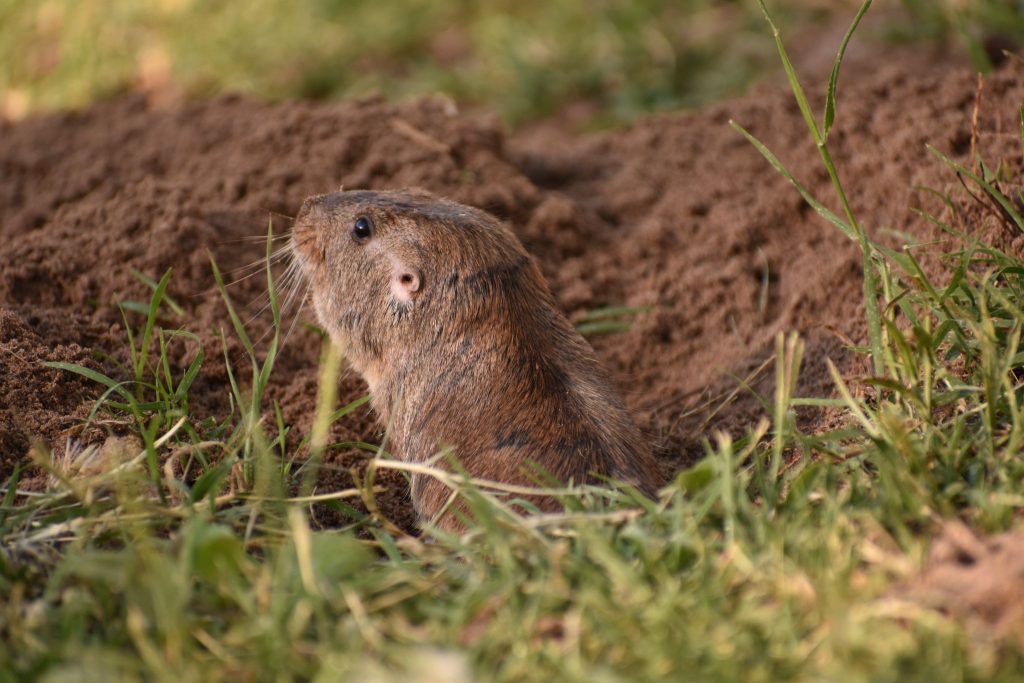
A few fresh dirt mounds can quickly turn into a much larger problem beneath your property. Gophers dig extensive tunnel systems that damage lawns, gardens, trees, irrigation lines, and landscaped areas without much warning. Many property owners notice the surface damage only after underground activity has already spread. Understanding how gopher traps work helps you respond before repairs become more expensive. It also helps you decide when trapping is practical and when professional gopher control is the better choice.
What Are Gopher Traps?
Gopher traps are mechanical devices designed to capture pocket gophers inside their active underground tunnels. They target the animal directly within its burrow, making them one of the most effective methods for controlling gopher activity and preventing further damage to lawns and irrigation systems. Learning how these traps work makes it easier to understand why they remain one of the most dependable gopher control methods.
How Gopher Traps Work
A gopher trap is placed inside an active tunnel where the animal regularly travels while searching for food or expanding its burrow. When the gopher moves through that passage, it activates the trap. This direct approach targets the animal without disturbing large sections of the surrounding landscape. Different trap styles operate in different ways, but they all focus on intercepting normal underground movement. Proper placement matters more than the trap itself because even the best equipment performs poorly in an inactive tunnel. That is why experienced pest control professionals spend time locating active burrows before setting any traps.
Why Trapping Remains a Trusted Solution
Many property owners choose trapping because it directly addresses the gopher instead of masking the problem. Unlike temporary surface treatments, trapping works within the underground tunnel where damage begins. It also avoids unnecessary disturbance to nearby plants when performed correctly. Residential and commercial properties both benefit from a method that focuses on active burrows instead of treating an entire landscape. Professional trapping also allows technicians to confirm activity before beginning control efforts. That targeted approach often produces faster and more reliable results.
Why Gophers Damage Property
Gophers spend almost their entire lives underground, making their activity difficult to detect at first. As they expand their tunnel systems, they gradually affect the health and stability of the surrounding landscape. Understanding how this damage develops explains why early control often saves both time and money.
Hidden Tunnels Affect More Than Lawns
Most people notice fresh soil mounds long before they realize what lies underneath. Underground tunnels disturb roots that supply water and nutrients to grass, flowers, shrubs, and trees. As root systems weaken, healthy plants may begin to wilt or die without an obvious cause. Burrowing also creates empty spaces beneath the soil, making the ground uneven and less stable. In some cases, irrigation pipes and landscape features shift because of continued underground movement. Addressing gopher activity early helps reduce these problems before they spread across the property.
Gopher Activity Often Expands Quietly
A single gopher can create an impressive network of feeding tunnels in a relatively short time. New mounds may appear every few days as the animal searches for fresh roots and vegetation. Nearby gophers can also establish separate tunnel systems if conditions remain favorable. This steady expansion often makes a small problem appear much larger over time. Waiting too long usually leads to additional landscape repairs and higher control costs. Early action limits underground activity before it becomes more difficult to manage.
Signs You May Need Gopher Control
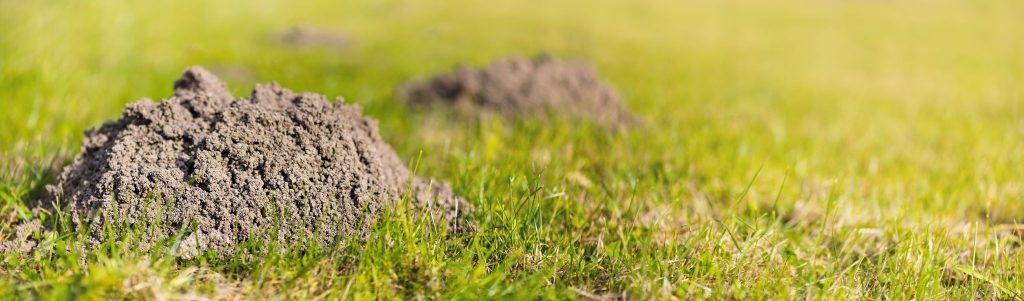
Fresh crescent-shaped dirt mounds usually provide the first indication of active burrowing. You may also notice plants declining even though they receive enough water and regular care. Soft or uneven ground can develop where tunnels weaken the soil beneath the surface. Some irrigation systems begin losing pressure because underground pipes become damaged. These warning signs suggest that gophers remain active below ground rather than simply passing through the area. Recognizing those changes early gives you a better opportunity to control the problem before it spreads.
How to Choose the Right Gopher Trap
Different properties present different challenges, so no single trap works best in every situation. Soil conditions, tunnel size, and recent gopher activity all influence the right choice. Knowing these factors helps property owners appreciate why successful trapping depends on more than simply buying the right device.
Common Types of Gopher Traps
Several trap designs have proven effective because each works well under specific tunnel conditions. Box traps enclose the gopher after it enters the trap through an active passage. Cinch traps use strong metal jaws that close when the trigger is activated. Choker-style traps tighten a wire loop after the gopher pushes against the trigger mechanism. Professional technicians often carry multiple trap styles because tunnel conditions vary from property to property. Choosing the appropriate trap improves the chances of controlling the problem with fewer repeated attempts.
Matching the Trap to the Tunnel
The condition of the tunnel often determines which trap will perform best. Loose soil may require a different setup than compacted or rocky ground. Older tunnels can remain empty for long periods, while fresh tunnels usually show recent activity. Professionals look for loose soil, fresh mounds, and active feeding tunnels before placing traps. This careful evaluation helps avoid wasted effort in inactive burrows. Proper placement consistently has a greater impact on success than the trap’s design alone.
Are Gopher Traps Effective?
Gopher traps can be highly effective when they are placed inside active tunnels and monitored correctly. Success depends less on the trap itself and more on identifying where the gopher regularly travels. Poor placement often leads property owners to believe trapping does not work when the real issue is tunnel selection. Professionals understand how gophers react to disturbed soil and adjust trap placement accordingly. They also relocate traps when activity shifts to another section of the tunnel system. This methodical approach often delivers more consistent results than trial and error.
How to Safely Use Gopher Traps
A well-placed trap should solve the problem without creating new concerns around the property. Safe handling protects people, pets, and nearby landscaping throughout the trapping process. Following recommended practices also improves trapping success while reducing unnecessary disruption.
Finding Active Burrows First
Fresh mounds provide useful clues, but they do not always reveal the main travel tunnel. Professionals typically probe the soil to locate active underground passages before digging. They disturb as little soil as possible because excessive digging may cause the gopher to avoid that section of the tunnel. Once the active burrow is located, the trap is carefully positioned along the natural travel route. That placement encourages the animal to continue moving normally through the tunnel. Careful preparation often determines whether trapping succeeds quickly or requires repeated adjustments.
Protecting Children and Pets
Trap locations should remain inaccessible to children and household pets throughout the control process. Marking treatment areas also helps prevent accidental contact during lawn maintenance or landscaping work. Property owners should avoid disturbing active trap locations unless inspection is necessary. Regular monitoring allows traps to be checked safely without leaving them unattended for long periods. Professional pest control services follow established safety practices throughout the trapping process. Those precautions protect everyone while allowing the traps to work as intended.
Checking Traps After Installation
Setting the trap is only one part of an effective control plan. Trap locations should be inspected regularly to confirm continued activity or determine whether adjustments are needed. If no activity appears after several checks, another active tunnel may have become the preferred travel route. Relocating the trap often restores effectiveness without increasing the number of traps used. Continued monitoring also helps confirm that no additional gophers remain on the property. This ongoing attention reduces the chance of a new infestation developing unnoticed.
When Professional Gopher Control Helps
Some gopher problems become too widespread or complicated for occasional trapping alone. Larger residential properties and commercial landscapes often contain multiple active tunnel systems that require careful inspection. Professional experience helps identify the source of the activity and apply the most effective trapping strategy.
Why Experience Improves Results
Professional technicians recognize subtle signs that many property owners easily overlook. They know how to distinguish active burrows from abandoned tunnels before placing equipment. They also understand how seasonal conditions affect gopher movement and feeding patterns. That knowledge reduces unnecessary digging while improving trap placement accuracy. Professionals continue evaluating the site until underground activity has stopped, rather than relying on a single treatment. This systematic process often saves both time and landscape repair costs.
Commercial Properties Need Prompt Action
Gopher damage affects more than residential lawns and gardens. Commercial landscapes, office complexes, schools, parks, apartment communities, and HOA common areas all rely on healthy, stable grounds. Uneven soil and damaged irrigation systems can increase maintenance expenses and create safety concerns for visitors. Prompt trapping helps reduce disruptions while protecting the property’s appearance. Professional management also supports ongoing landscape maintenance by identifying new activity before it spreads. That proactive approach helps preserve outdoor spaces that receive regular public use.
Long-Term Prevention Matters
Removing active gophers solves today’s problem, but preventing future activity protects the property’s long-term condition. Regular inspections help detect fresh burrowing before widespread damage develops again. Healthy landscape maintenance and continued monitoring also make it easier to respond quickly when new mounds appear. Professional pest control providers often recommend follow-up visits for properties with recurring gopher activity. That continued attention reduces the likelihood of repeated infestations throughout the year. Long-term planning protects previous investments in landscaping and irrigation systems.
Control Burrowing With Gopher Traps
Underground damage rarely stops on its own, and waiting often gives gophers more time to expand their tunnel systems. Using the right gopher traps early can help limit property damage while protecting your lawn, landscaping, and irrigation. If burrowing continues despite your efforts, working with a professional gopher control service can provide a targeted solution that restores your property’s health and helps prevent further disruption.
Looking for smarter ways to manage gopher problems? Visit the SoCal Gophers LLC blog for trusted advice, helpful resources, and professional guidance tailored to your property.