
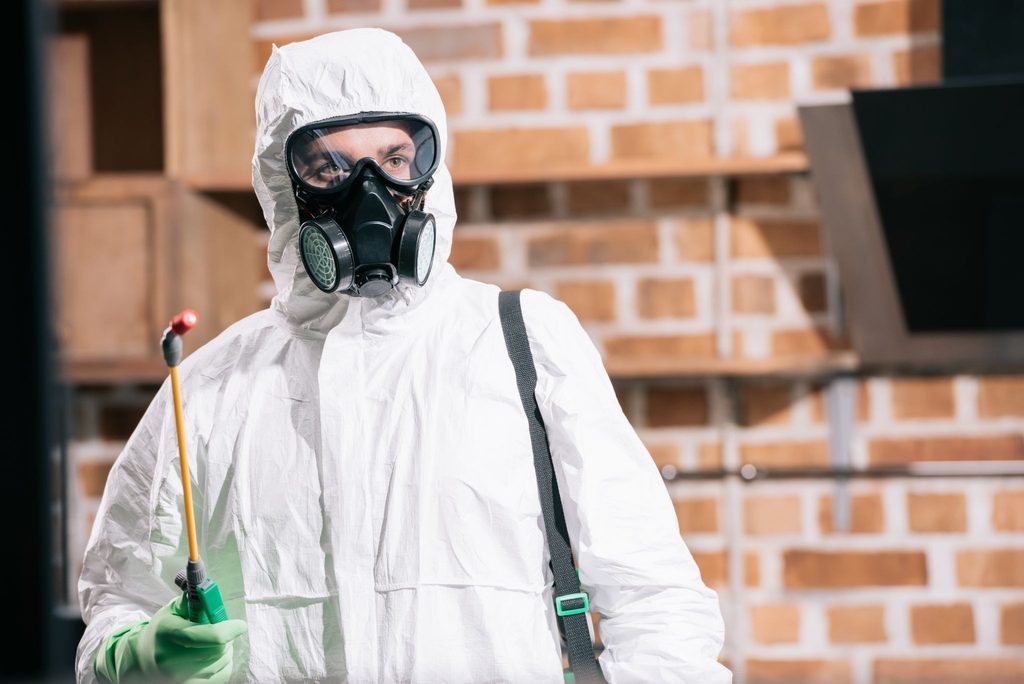
Emergency pest control involves immediate professional treatment when pests create a direct risk to people, property, or business operations. These situations often include aggressive stinging insects, rodents inside occupied buildings, active termite damage, wildlife intrusions, or infestations that contaminate living or working spaces. Unlike routine pest services, emergency response focuses on removing urgent threats while preventing additional damage from spreading. Knowing when a pest problem requires immediate attention helps homeowners and business owners respond before a minor issue becomes a costly emergency.
When Does a Pest Problem Become an Emergency?
Not every pest sighting requires same-day service, but some situations cannot wait. The level of risk depends on the pest, the extent of the infestation, and the potential harm it can cause. Recognizing those warning signs helps homeowners and business owners act before minor issues become costly emergencies.
Pests Put Health at Immediate Risk
Some pests expose people to health hazards as soon as they appear. Wasps, hornets, and aggressive bees near entrances increase the risk of painful stings, especially in busy homes and commercial properties. Rodents contaminate food, countertops, and storage areas with bacteria through their droppings and urine. Cockroaches may trigger asthma and allergy symptoms, particularly in children and older adults. Venomous spiders also present a greater concern because some bites require prompt medical attention. Calling a pest professional quickly reduces these risks before someone gets hurt.
Property Damage is Happening Quickly
Certain pests quietly damage a structure long before obvious signs appear. Termites feed on wood around the clock, weakening framing, flooring, and support beams over time. Carpenter ants and carpenter bees also damage wood as they build nesting areas. Rodents create additional problems by chewing electrical wiring, insulation, plumbing materials, and even HVAC components. Delaying treatment often increases repair costs because hidden damage continues long after pests enter the property. Early intervention protects both the building and the investment behind it.
Professionals Identify an Urgent Threat
The number of pests alone does not determine whether a situation qualifies as an emergency. Pest control professionals also consider where the infestation is located and how quickly it is spreading. They evaluate health risks, structural concerns, and the possibility of business interruptions before recommending immediate treatment. A single wasp nest above a school entrance may require faster action than dozens of ants outdoors. Likewise, one rat inside a restaurant deserves greater urgency than several mice outside a storage shed. This careful assessment helps determine the safest response for every property.
Common Emergency Pest Situations
Many urgent infestations share common warning signs that property owners can recognize early. Acting quickly often prevents further damage while reducing risks to people inside the building. Understanding these situations makes it easier to know when professional help should become the next step.
Rodents Inside Occupied Buildings
Finding rats or mice inside an occupied home or business rarely represents an isolated problem. Rodents usually enter because they have already located food, water, and shelter nearby. They reproduce quickly, allowing small infestations to become much larger in a short period. Their constant chewing damages wiring, drywall, insulation, furniture, and stored belongings. Commercial properties also face sanitation concerns that may affect employees, customers, and daily operations. Immediate rodent removal helps limit contamination and prevents additional property damage.
Stinging Insects Near Entry Points
Bee, wasp, and hornet nests become dangerous when they develop near areas with frequent foot traffic. Front doors, patios, loading docks, playgrounds, parking lots, and outdoor dining spaces increase the chance of accidental encounters. Some species aggressively defend their nests even after slight disturbances. Multiple stings can become a medical emergency for people with allergies and remain painful for everyone else. Businesses may also face safety concerns if customers cannot safely access the property. Professional removal restores safer conditions while minimizing the risk of repeated attacks.
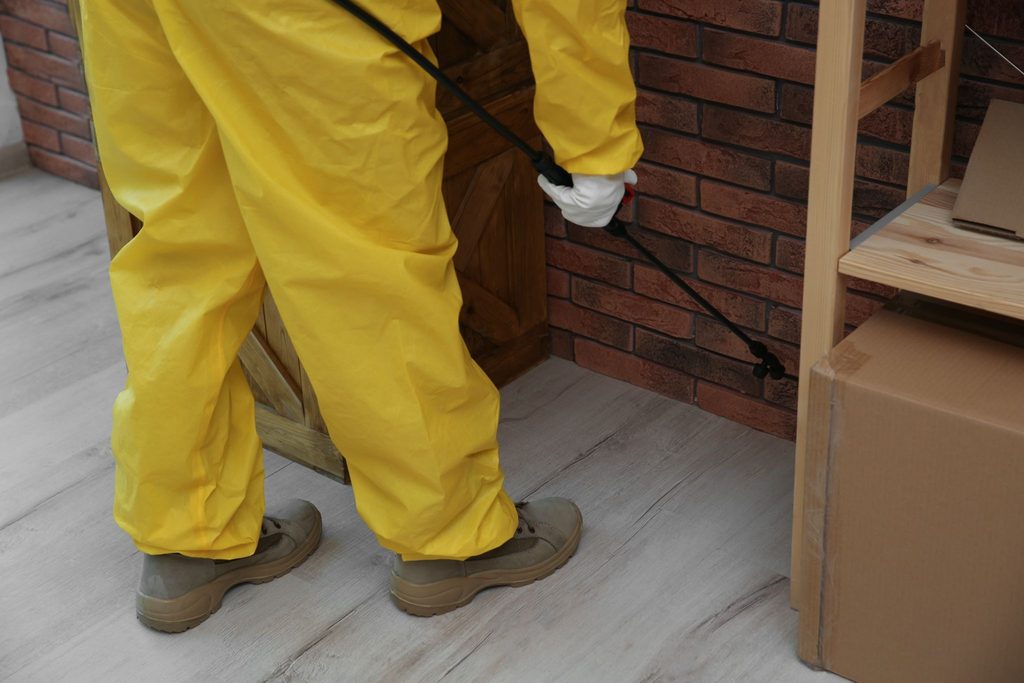
Wildlife Inside Homes or Businesses
Wildlife entering a building often creates more problems than many people realize. Raccoons, squirrels, bats, birds, and opossums frequently seek shelter inside attics, crawl spaces, ceilings, or wall cavities. These animals can damage insulation, wiring, ductwork, and stored materials while building nests. Some also carry diseases or parasites that create additional health concerns for occupants. Attempting to remove wildlife without proper training can increase the risk of injury or property damage. Professional wildlife removal addresses the immediate problem while helping prevent future entry.
Pests That Commonly Need Emergency Service
Some pests demand a faster response because of the hazards they create or the speed at which they spread. Their activity can affect both residential and commercial properties in different ways. Knowing which pests typically require urgent treatment helps property owners make informed decisions before conditions become more difficult to control.
Termites Causing Active Structural Damage
Termites rarely attract attention until visible damage begins to appear. By that stage, they may have already weakened structural wood behind walls, beneath flooring, or inside support beams. Active infestations continue feeding every day they remain untreated. Waiting several weeks may allow damage to spread into larger sections of the property. A professional inspection identifies the extent of the infestation before recommending the most effective treatment. Acting quickly reduces additional structural deterioration and limits future repair costs.
Large Cockroach and Fly Infestations
Cockroaches and flies multiply rapidly when food, moisture, and shelter remain available. Large infestations often signal hidden sanitation or plumbing issues that require immediate attention. Restaurants, grocery stores, healthcare facilities, and food processing businesses face even greater concerns because contamination may affect operations. Homeowners also experience declining indoor hygiene as pest activity increases. Professional treatment removes active infestations while identifying the conditions that allowed them to grow. Addressing both problems produces longer-lasting results than treating visible pests alone.
Bed Bugs in Shared Living Spaces
Bed bugs spread quickly through apartment buildings, hotels, dormitories, and other shared environments. They hide in mattresses, furniture, cracks in walls, and personal belongings during the day before feeding at night. Although they do not transmit diseases, their bites often cause itching, discomfort, and ongoing stress. Delaying treatment gives them more opportunities to spread into neighboring rooms or units. Professional inspection confirms the infestation and identifies every affected area. Early treatment helps contain the problem before it becomes much harder to eliminate.
How to Reduce the Risk of Emergency Infestations
Many emergency pest calls begin with small problems that were easy to overlook. Regular maintenance helps identify warning signs before they develop into urgent situations. A few simple preventive habits can lower the chances of sudden infestations while protecting both residential and commercial properties.
Remove Food, Water, and Shelter
Pests stay where they can easily find the resources they need to survive. Clean kitchens, break rooms, and food preparation areas regularly to eliminate crumbs and spills. Repair leaking pipes because standing water attracts many insects and rodents. Keep trash containers covered and dispose of waste frequently to reduce food sources. Organize storage spaces to eliminate clutter where pests often hide and reproduce. These preventive measures make your property less attractive to unwanted visitors.
Seal Common Entry Points
Many pests enter through surprisingly small openings around a building. Inspect doors, windows, utility lines, vents, rooflines, and foundation cracks for gaps that need attention. Replace damaged weather stripping and repair torn screens before pests find easy access. Seal openings around pipes and cables to block common entry routes. Trim shrubs and tree branches that touch the building, as they often serve as natural bridges for insects and rodents. Limiting access helps prevent infestations before they begin.

Watch for Early Warning Signs
Most infestations leave clues before they become obvious. Droppings, gnaw marks, unusual odors, grease trails, damaged wood, or scratching sounds inside walls deserve immediate attention. Frequent daytime sightings of normally nocturnal pests can also indicate a growing population. Businesses should encourage employees to report pest activity instead of ignoring it. Homeowners should investigate recurring signs instead of assuming the problem will disappear on its own. Early detection often prevents emergencies from developing.
What Happens During an Emergency Pest Visit?
Knowing what to expect helps property owners feel more prepared during an urgent pest situation. Emergency service focuses on controlling immediate risks before addressing the underlying cause. This organized process allows technicians to solve today’s problem while reducing the chances of another emergency later.
Immediate Inspection and Risk Assessment
The first step involves a detailed inspection of the affected areas. Technicians identify the pest species because effective treatment depends on accurate identification. They also determine how the pests entered the property and how far the infestation has spread. Safety risks receive immediate attention, especially when people, pets, or customers remain nearby. Commercial properties may require additional evaluation to reduce operational disruptions. This inspection creates a treatment plan based on the property’s specific conditions instead of assumptions.
Immediate Treatment of Active Threats
After completing the inspection, technicians begin controlling the most urgent hazards. The treatment method depends on the pest, the location, and the level of infestation. Some situations require nest removal, while others involve trapping, targeted applications, exclusion techniques, or wildlife removal. Professionals work carefully to reduce risks to occupants during the process. They also explain any temporary precautions that property owners should follow. Immediate treatment addresses the active threat before it causes additional harm.
Recommendations to Prevent Future Emergencies
Emergency service does not end after pests are removed. Technicians identify conditions that allowed the infestation to develop in the first place. They may recommend sealing entry points, correcting moisture issues, improving sanitation, or repairing structural damage. Commercial facilities often receive suggestions that support ongoing pest management and regulatory compliance. Many companies also recommend follow-up inspections to confirm that the infestation has been completely resolved. These practical recommendations help reduce the likelihood of another urgent pest problem.
Why Professional Emergency Pest Control Matters
Fast treatment addresses the immediate problem, but lasting results require more than removing visible pests. Professional pest control technicians accurately identify the pest species, locate hidden nesting areas, and choose treatment methods that match the infestation instead of relying on temporary solutions. They also use specialized equipment and safe application techniques to protect occupants, pets, employees, customers, and property throughout the process. For both homes and businesses, professional emergency pest control resolves urgent threats while addressing the conditions that caused the infestation, helping reduce the risk of recurring problems.
Common Questions About Emergency Pest Control
Many property owners have similar concerns when they discover an urgent infestation. Understanding the answers helps remove uncertainty during a stressful situation. These common questions provide practical guidance before contacting a pest control professional.
Can the Problem Wait Until Tomorrow?
Some infestations can wait for a scheduled appointment, but others require immediate attention. Rodents inside occupied spaces, active termite damage, aggressive stinging insects, wildlife intrusions, and widespread contamination should never be ignored. Waiting gives pests more time to spread and cause additional damage. Health risks may also increase as the infestation grows. When safety or property damage becomes a concern, calling immediately is the better decision. A professional inspection confirms the level of urgency.
Is Emergency Pest Control More Expensive?
Emergency service may cost more than a standard appointment because technicians respond outside normal schedules or prioritize urgent requests. However, delaying treatment often leads to much higher repair and restoration costs. Structural damage, contaminated inventory, damaged wiring, and business interruptions usually exceed the cost of early intervention. Prompt service also reduces the time pests have to multiply. Many property owners find that immediate treatment saves money over the long term. Addressing the problem early is often the more practical financial decision.
How Fast Should You Call?
The best time to call is as soon as you suspect an urgent infestation. Strange noises, visible nests, rodent activity, damaged wood, or repeated pest sightings should not be dismissed. Early reporting allows technicians to stop the problem before it spreads throughout the property. It also reduces the likelihood of expensive structural repairs or operational disruptions. Quick action protects both occupants and the property itself. Waiting rarely improves the situation.
Stop Risks With Emergency Pest Control
A pest emergency rarely improves with time, and delaying action often gives the problem a chance to spread further. Prompt professional treatment helps protect the people inside your property while limiting damage that can become far more expensive to repair. Acting at the first sign of a serious infestation supports a faster recovery and reduces future disruptions. If an urgent pest problem threatens your home or business, contact a trusted emergency pest control provider before a manageable situation becomes costly.
The best pest decisions start with reliable information. Browse the SoCal Gophers LLC blog to discover expert recommendations, seasonal pest advice, and practical solutions from experienced professionals.