
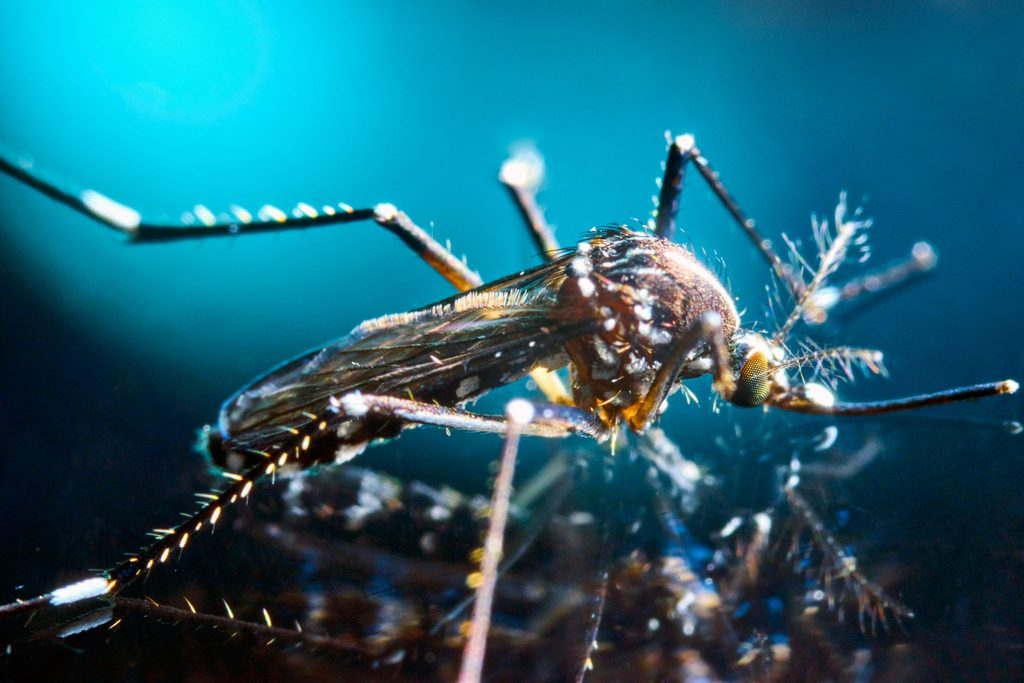
Mosquitoes can quickly become a persistent problem around homes, businesses, and outdoor gathering areas. Getting rid of them starts with removing standing water, reducing hiding places, and limiting access to buildings. Targeted treatments may also help when mosquito activity continues despite routine property maintenance. The right approach depends on where mosquitoes breed, rest, and enter occupied spaces. Addressing these conditions early can reduce mosquito populations and help prevent recurring activity.
Why Mosquito Removal Matters for Properties
Mosquito activity raises concerns beyond uncomfortable bites and irritating buzzing. Some mosquitoes can transmit diseases, making persistent populations a potential concern around occupied properties. Frequent bites can also discourage residents, customers, employees, and visitors from using outdoor spaces comfortably. Heavy activity may affect patios, entrances, recreational areas, and other spaces people regularly use. Mosquito breeding conditions can also signal standing water or drainage problems that need attention. Prompt mosquito removal helps reduce these concerns before populations grow and become harder to control.
How to Effectively Get Rid of Mosquitoes
Mosquito control works best when each action targets a specific part of their activity cycle. Several practical methods can reduce their numbers and make properties less favorable for recurring infestations. Combining preventive measures with targeted control can provide more consistent protection around residential and commercial properties.
Find the Source of Mosquito Activity
Mosquito problems usually develop because nearby conditions support breeding, resting, or repeated entry. Finding those conditions helps property owners address the source instead of chasing individual insects. Residential and commercial properties often contain several unnoticed areas where mosquito activity can begin. A careful inspection can reveal which conditions require immediate attention and ongoing control.
Check Standing Water Around the Property
Female mosquitoes often lay eggs in standing water, including surprisingly small amounts around buildings. Inspect buckets, planters, gutters, birdbaths, toys, and outdoor equipment after rainfall or irrigation. Empty containers regularly and store movable items where rainwater cannot collect inside them. Clean clogged gutters because trapped leaves can create shallow pools that remain undisturbed. Commercial properties should also inspect loading areas, rooftops, drains, and unused outdoor equipment. Frequent inspections interrupt mosquito development before emerging adults become a larger property-wide problem.
Look for Hidden Breeding Areas
Obvious puddles are not the only places where mosquitoes can reproduce around structures. Water may collect inside drainage systems, utility areas, tree holes, and poorly graded landscaping. Dense ground cover can also conceal discarded containers that remain wet after storms. Check irrigation systems for leaks that continually create damp conditions near foundations or vegetation. Property managers should include less-visible service areas during routine exterior inspections and maintenance. Finding these hidden sources often explains mosquito activity that continues despite regular cleanup efforts.
Eliminate Water Where Mosquitoes Breed
Mosquito control becomes easier when water cannot remain long enough for larvae to develop—many mosquito species complete development quickly under warm, favorable conditions. Regular water management reduces future populations without relying entirely on insecticide treatments. Property owners should combine drainage improvements, routine maintenance, and scheduled inspections for stronger prevention.
Improve Drainage Around Buildings
Poor drainage creates persistent moisture that can support mosquitoes throughout warmer parts of the year. Correct low areas where rainwater repeatedly pools near walkways, landscaping, parking lots, or foundations. Clear blocked drainage channels so stormwater can move away from buildings without unnecessary delays. Adjust irrigation schedules when sprinklers leave lawns, planting beds, or pavement wet for extended periods. Commercial facilities should inspect catch basins and drainage infrastructure according to their maintenance schedules. Better water movement reduces breeding opportunities while supporting cleaner, safer exterior conditions.
Maintain Water Features Properly
Decorative ponds and fountains require regular care when they remain filled throughout mosquito season. Keep water circulating because stagnant areas provide more favorable conditions for mosquito egg laying. Remove leaves, algae, and organic debris that can interfere with pumps or water movement. Clean fountains according to manufacturer recommendations and repair equipment that stops circulating water effectively. Larger ponds may benefit from professional evaluation when mosquito larvae continue appearing despite maintenance. Consistent water care helps keep attractive landscape features from becoming dependable breeding sites.
Reduce Outdoor Mosquito Resting Areas
Removing breeding water addresses mosquito development, but adult mosquitoes also need sheltered resting locations. Many species rest in shaded, humid vegetation during hotter portions of the day. Overgrown landscaping can therefore support activity even when standing water remains difficult to find. Property maintenance should reduce excessive shelter while preserving healthy and functional outdoor spaces.
Trim Dense Vegetation and Ground Cover
Mosquitoes often rest underneath leaves, shrubs, tall grass, and dense vegetation near occupied areas. Trim overgrown shrubs to improve airflow and reduce cool, protected resting locations around buildings. Mow lawns regularly and remove weeds that create unnecessary cover near patios or entrances. Thin dense vegetation carefully rather than removing landscaping that serves useful property functions. Businesses should prioritize vegetation near customer seating, employee entrances, walkways, and outdoor gathering spaces. Better landscape maintenance reduces mosquito shelter and makes other control measures more effective.
Manage Organic Debris and Clutter
Outdoor clutter can trap moisture and create shaded spaces where adult mosquitoes remain protected. Remove leaf piles, unused containers, discarded materials, and other debris from yards or service areas—clean underneath decks and storage areas where damp organic material can accumulate unnoticed. Keep trash containers closed and maintain surrounding areas so spilled liquids cannot remain standing. Commercial properties should include dumpsters, loading zones, and maintenance yards within routine sanitation programs. Cleaner exterior areas remove mosquito shelter while making developing water problems easier to detect.
Block Mosquito Entry Into Buildings
Indoor mosquito activity often starts when insects enter through openings around doors, windows, and screens. Busy properties may experience repeated entry because doors remain open throughout daily operations. Physical barriers reduce that movement without adding unnecessary chemical treatments inside occupied spaces. Building maintenance should therefore become part of every long-term mosquito management plan.
Repair Screens and Seal Openings
Damaged screens provide mosquitoes with easy access to homes, offices, shops, and other buildings. Inspect window and door screens for tears, loose edges, and damaged framing. Replace worn screens when repairs cannot create a secure barrier around the entire opening. Seal gaps around windows, doors, utility penetrations, and other exterior building connections when appropriate. Homes should also check pet doors and frequently used entrances during mosquito season. Strong physical barriers reduce indoor activity while supporting broader pest prevention around the structure.
Improve Door and Entrance Management
Frequently opened doors can undermine mosquito control even when screens and windows remain well maintained. Install or repair door sweeps where gaps allow insects to enter beneath exterior doors. Keep doors closed when practical, especially near landscaped areas with noticeable mosquito activity. Businesses may consider air curtains when building design and operating conditions make them suitable. Staff should also report damaged doors or closers before minor problems become persistent entry points. Better entrance management limits mosquito access without disrupting normal movement through the property.
Apply Mosquito Treatments Where Needed
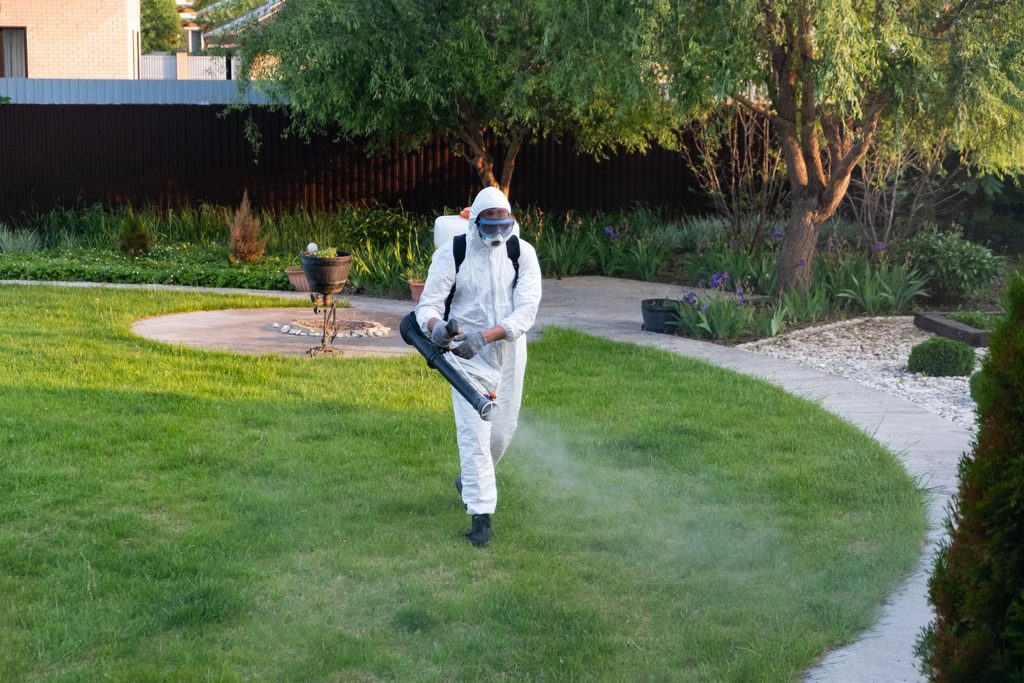
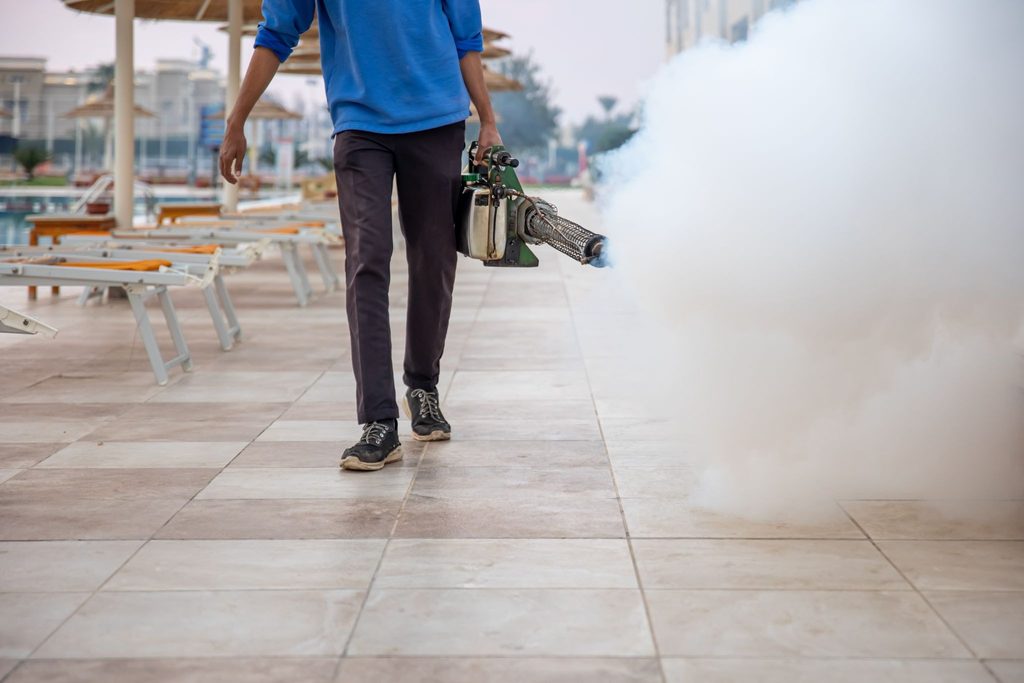
Some mosquito problems require treatment when sanitation and property maintenance cannot provide enough control. Treatment choices depend on mosquito species, breeding conditions, property layout, and activity levels. Products should target specific problem areas instead of being applied without a clear purpose. Safe application also requires careful attention to product labels, timing, and environmental conditions.
Target Larvae in Permanent Water Sources
Some water sources cannot be emptied because they serve drainage, landscaping, or operational purposes. Approved larvicides can target immature mosquitoes before they develop into biting adults in these locations. Select products specifically labeled for mosquito larvae and the type of water being treated. Follow every label direction concerning dosage, application frequency, protective equipment, and permitted treatment sites. Avoid placing pesticides into water unless the product label specifically allows that application. Professional pest technicians can identify appropriate options when permanent water sources repeatedly produce mosquito larvae.
Treat Adult Mosquito Resting Areas
Adult mosquito treatments generally work best when applications focus on known resting locations. Dense shrubs, shaded vegetation, and protected exterior surfaces may require targeted treatment when activity remains high. Applying products randomly across open areas may waste material without effectively addressing mosquito behavior. Always follow label instructions concerning application sites, weather conditions, reentry periods, and personal protection. Businesses should also consider customer activity and operating schedules before any treatment. Professional applications can provide better targeting when mosquito pressure covers large or complicated properties.
Strengthen Mosquito Prevention at Home
Homes often need several mosquito prevention methods working together throughout the warmer months. Yard conditions can change quickly after rainfall, landscaping work, irrigation problems, or outdoor activities. A one-time cleanup may reduce activity temporarily but won’t prevent new breeding conditions from developing. Consistent household routines make mosquito problems easier to detect before populations become difficult to manage.
Create a Weekly Yard Inspection Routine
A short weekly inspection can identify water and shelter before mosquitoes gain another breeding opportunity. Walk around the property and check containers, gutters, drains, toys, tarps, and outdoor furniture. Look beneath decks and around sheds where water may remain hidden from normal view. Inspect landscaping for excessive growth and remove debris that holds moisture near occupied spaces. Repeat the inspection after heavy rain because new water sources can appear within hours. Regular checks make mosquito prevention a manageable property habit instead of an occasional reaction.
Protect Patios and Outdoor Living Areas
Patios and decks often attract mosquitoes because people stay outside for extended periods. Remove nearby standing water and trim vegetation that creates sheltered resting areas beside seating. Outdoor fans can help because mosquitoes struggle to fly effectively in stronger moving air. Keep doors and screens in good condition when patios connect directly with indoor living spaces. Use EPA-registered repellents according to label directions when personal protection becomes necessary outdoors. Combining property maintenance with personal protection creates a more practical defense during peak activity.
Improve Mosquito Control Across Business Sites
Commercial mosquito problems require structured prevention because larger properties contain more potential breeding and resting locations. Customer traffic, landscaping, drainage systems, and service areas can create different mosquito pressures at the same time. Maintenance teams need clear responsibilities so developing conditions don’t go unnoticed between pest treatments. Documentation also helps managers identify recurring areas that require repairs or more frequent inspections.
Create a Property Inspection Schedule
Scheduled inspections keep mosquito prevention consistent across large buildings, grounds, and outdoor operational areas. Assign staff or service providers to inspect drainage systems, landscaping, rooftops, and exterior storage locations. Increase inspection frequency after heavy rainfall or when mosquito activity rises around occupied areas. Record standing water, vegetation problems, drainage failures, and completed corrective work for future reference. Property records can reveal recurring trouble spots that require permanent repairs instead of repeated temporary cleanup. A documented process also helps multiple departments maintain consistent mosquito prevention responsibilities.
Coordinate Pest Control With Maintenance
Mosquito treatments work better when pest professionals and maintenance teams address related conditions together. Technicians may identify drainage problems, vegetation, or structural issues that continue supporting mosquito activity. Maintenance teams can correct those conditions while technicians focus on larvae and adult mosquito populations. Share inspection findings so both groups understand where activity occurs and which actions were completed. Commercial managers should also review treatment recommendations before landscaping or drainage projects change site conditions. Coordinated mosquito management reduces repeated problems and makes each control effort more purposeful.
Bring in Professional Mosquito Control
Persistent mosquito activity can indicate breeding sources or resting sites that routine maintenance has missed. Large properties may also contain water systems and landscaping that require specialized inspection or treatment. Professional mosquito control combines site evaluation with targeted methods based on your property’s actual conditions. Timely service can prevent a manageable mosquito issue from becoming a persistent property-wide problem.
Recognize Signs of a Larger Infestation
Frequent mosquito bites during short outdoor visits may indicate substantial activity near occupied spaces. Mosquitoes appearing throughout the day can also suggest nearby resting or breeding locations. Repeated indoor sightings deserve attention when screens, doors, and obvious entry points appear secure. Visible larvae in permanent water sources can confirm that mosquitoes are actively developing on the property. Businesses should respond quickly when mosquito activity begins affecting customers, employees, tenants, or outdoor operations. These patterns justify a detailed inspection rather than relying on repeated short-term treatments alone.
Choose Targeted Professional Mosquito Service
A qualified pest professional should inspect the property before recommending a mosquito treatment program. The inspection should identify breeding water, adult resting areas, entry points, and maintenance concerns. Treatment can then focus on areas that directly contribute to the current mosquito population. Ask how the provider handles standing water, vegetation, recurring activity, and follow-up inspections between services. Commercial managers should also discuss operating hours, sensitive areas, and property-specific safety requirements before treatment. Targeted service offers greater value when it combines mosquito reduction with practical prevention recommendations.
Get Rid of Mosquitoes Before They Multiply
Mosquito activity rarely improves when breeding and resting conditions remain undisturbed around a property. Delaying action gives new generations more opportunities to spread across outdoor and indoor spaces. Address problem areas promptly, and bring in professional mosquito control when routine measures fall short. Timely action can protect daily comfort while keeping a manageable mosquito problem from becoming persistent.
Visit the SoCal Gophers LLC blog for practical pest control tips that help protect your property year-round.