
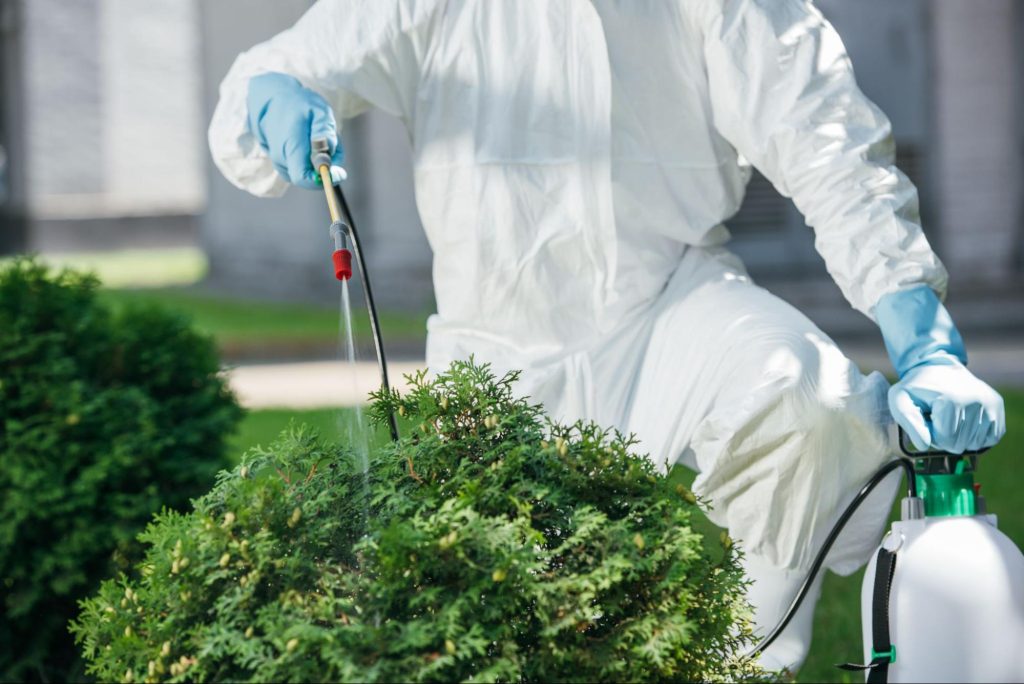
Pests can quickly turn a comfortable home or productive workplace into a stressful environment. Ants invade kitchens, rodents damage property, and mosquitoes make outdoor spaces difficult to enjoy. Many property owners want effective pest control without relying heavily on harsh chemical treatments. Fortunately, safer pest management methods can address infestations while reducing unnecessary exposure to potentially harmful substances. Understanding these options helps homeowners and businesses protect their properties without compromising everyday comfort.
Understanding Non-Toxic Pest Control Methods
Non-toxic pest control focuses on preventing and managing infestations through lower-risk methods. These approaches emphasize sanitation, physical barriers, habitat changes, and carefully selected treatments. Unlike routine chemical spraying, they address the conditions that attract pests and support their survival. Property owners can combine several techniques to create a more effective, long-term pest management strategy.
How Safer Pest Control Methods Work
Safer pest management begins with identifying the pest and understanding its behavior. Different pests need different conditions to find food, shelter, and places to breed. Removing these resources makes properties less attractive and reduces opportunities for infestation. Physical controls then keep unwanted insects and rodents out of vulnerable areas. When additional treatment becomes necessary, targeted products can limit unnecessary exposure. The goal is effective control with the lowest practical risk to occupants and surrounding environments.
Why Prevention Matters More Than Spraying
Spraying visible pests rarely addresses the conditions that allow them to thrive. For example, ants may return when food residue remains accessible near their nesting areas. Rodents can also reenter buildings through unrepaired openings. Preventive measures target these underlying problems before populations grow. Regular inspections, improved sanitation, and structural maintenance reduce the need for repeated treatments. Businesses especially benefit because prevention can minimize disruptions and protect daily operations.
Best Non-Toxic Pest Control Methods for Properties
Managing pests without relying heavily on chemical treatments requires practical strategies that address common infestation problems. Effective solutions combine preventive maintenance and targeted treatments to control unwanted pest activity. The following methods can help homeowners and businesses maintain pest-free environments while minimizing unnecessary chemical exposure.
Seal Entry Points to Keep Unwanted Pests Out
Physical barriers reliably keep pests out of homes and commercial buildings. Small openings around structures let insects, rodents, and other unwanted visitors in. Closing these gaps reduces pest activity without relying on widespread chemical treatments. Regular inspections help maintain these protective barriers and prevent infestations from recurring.
Seal Cracks, Gaps, and Entry Points
Inspect exterior walls, foundations, windows, and utility connections for openings. Mice can squeeze through gaps about one-quarter inch wide, so even small defects matter. Seal suitable cracks with durable caulk and install appropriate materials around larger openings. Use metal mesh and rodent-resistant sealants to strengthen vulnerable areas near pipes and vents. Check garage doors and loading entrances for gaps that develop over time. Addressing these weaknesses helps prevent recurring infestations in residential and commercial buildings.
Install Screens and Door Sweeps
Doors and windows often become convenient entry points when protective fittings deteriorate. Install tightly fitted screens on windows, vents, and other appropriate openings. Replace torn screening promptly, as even minor damage can let mosquitoes and flies in. Door sweeps can close gaps beneath exterior doors without restricting normal movement. Commercial facilities should inspect frequently used entrances and delivery areas more often. Well-maintained barriers reduce pest access while supporting ventilation and daily building operations.
Maintain Clean Spaces to Prevent Pest Activity
Food, water, and shelter attract pests into otherwise well-maintained properties. Even small amounts of residue can support insects and rodents over time. Consistent sanitation removes these resources and reduces the risk of infestation. Homes and businesses can adopt practical cleaning routines without unnecessarily complicating daily maintenance.
Improve Food Storage and Waste Management
Store dry foods in sealed containers made from durable plastic, glass, or metal. Clean countertops and dining areas promptly to remove crumbs and spills. Empty garbage regularly and use containers with tightly fitting lids. Commercial kitchens should establish cleaning schedules for storage areas, equipment, and waste collection points. Inspect deliveries for pest activity before bringing supplies into storage spaces. These practices discourage cockroaches, ants, rodents, and pantry pests from settling indoors.
Eliminate Moisture and Standing Water
Many pests thrive where moisture remains available for extended periods. Repair leaking faucets, plumbing connections, and drainage systems as soon as problems appear. Remove standing water from containers, clogged gutters, and poorly drained outdoor areas. Dehumidifiers can help control excessive indoor humidity in damp rooms and storage spaces. Businesses should also inspect utility rooms, restrooms, and equipment areas for recurring leaks. Reducing moisture discourages mosquitoes, cockroaches, and other pests that favor damp environments.
Remove Clutter and Hidden Pest Shelters
Clutter creates protected spaces where pests can hide and reproduce undisturbed. Organize storage rooms and, when practical, keep boxes away from walls. Replace unnecessary cardboard packaging with washable storage containers in vulnerable areas. Remove unused materials from garages, basements, warehouses, and outdoor storage spaces. Keep landscaping debris and firewood away from building foundations to reduce potential shelter. Clear surroundings also make pest inspections easier and help reveal activity before infestations spread.
Use Plant-Based Repellents for Pest Management
Plant-derived products appeal to property owners seeking alternatives to conventional pest treatments. However, natural ingredients do not automatically make a product harmless or effective. Their performance depends on the pest, concentration, application method, and surrounding conditions. Understanding these limitations helps prevent ineffective treatments and unnecessary exposure.
Essential Oils for Limited Pest Deterrence
Peppermint, citronella, and other essential oils appear in various pest-repellent products. Some formulations may temporarily discourage certain insects, especially when applied as directed. However, homemade mixtures rarely provide dependable control for established infestations. Concentrated oils can irritate skin and pose risks to pets if misused. Choose products with appropriate labeling and evidence supporting their intended pest-control claims. Treat essential oils as supplementary options rather than replacements for exclusion and sanitation.
Botanical Sprays for Targeted Treatment
Botanical insecticides contain plant-derived ingredients rather than conventional synthetic compounds. Certain products can control specific insects when applied directly to affected areas. Their effectiveness varies widely, so choose products that match the identified pest. Some botanical ingredients can still harm beneficial insects, aquatic organisms, or sensitive occupants. Follow label instructions carefully and avoid applying products near food preparation surfaces unless permitted. Targeted applications generally make more sense than routinely spraying large areas without confirmed activity.

Control Household Pests With Targeted Methods
Different pests respond to different management methods, even within the same building. Effective treatment starts with understanding their habits, nesting sites, and available resources. Mechanical controls and environmental changes can resolve many smaller problems without widespread pesticide use. More persistent infestations may require professional assessment and additional targeted measures.
Manage Ants and Cockroaches Indoors
Ants often enter buildings to find food and moisture. Clean their foraging routes and seal accessible entry points after identifying their movement patterns. Cockroaches often shelter behind appliances, inside cabinets, and near plumbing connections. Remove food residue, repair leaks, and reduce clutter around these locations. Sticky monitoring traps can reveal activity and help you identify areas that need attention. Established cockroach infestations may require professionally selected bait treatments alongside sanitation and exclusion.
Address Rodents With Mechanical Traps
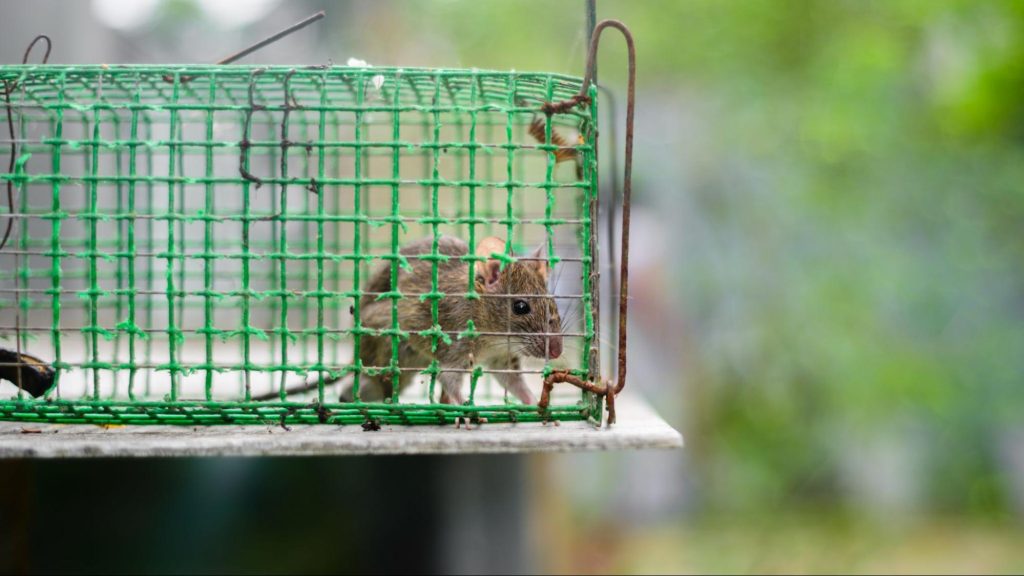
Rodents can contaminate stored materials and damage wiring, insulation, and equipment. Snap traps offer targeted control when placed correctly inside protective stations. Position traps along walls and known travel routes, away from children and pets. Check them frequently and handle captured rodents using appropriate protective precautions. Avoid relying on ultrasonic devices because evidence supporting their effectiveness for consistent rodent control remains limited. Combine trapping with entry-point repairs to prevent new rodents from replacing those removed.
Reduce Mosquitoes and Outdoor Insects
Mosquitoes commonly breed in stagnant water around buildings and landscaped areas. Empty containers, maintain drainage systems, and regularly refresh water in outdoor fixtures. Securely cover rain barrels and maintain swimming pools according to recommended sanitation practices. Fans can also reduce mosquito activity around occupied patios and outdoor seating areas. For personal protection, choose registered repellents and follow their labeled application instructions. Businesses with outdoor gathering spaces should inspect breeding locations throughout mosquito season.
Protect Lawns and Gardens From Burrowing Pests
Gophers, moles, and voles can damage lawns, gardens, and landscaped commercial properties. Although their activity sometimes looks similar, each animal has different feeding and burrowing habits. Identifying the responsible pest helps property owners select effective control methods without unnecessary chemical treatments. Physical barriers, habitat modifications, and properly placed traps can help reduce damage.
Control Gophers With Traps and Underground Barriers
Gophers create underground tunnels and feed on roots, bulbs, and other plant materials. Their digging often leaves crescent-shaped soil mounds and damages valuable landscaping. Install underground wire barriers around garden beds and vulnerable plants to restrict access. Use appropriate gopher traps inside active tunnels, following local trapping regulations. Check traps regularly and cover accessible trapping locations with protective covers. Avoid relying on ultrasonic repellents because their effectiveness against gophers remains poorly supported.
Manage Moles Without Chemical Treatments
Moles primarily feed on earthworms and other soil-dwelling insects, not plant roots. Their tunneling creates raised surface ridges and sometimes produces noticeable soil mounds. Identify active tunnels before choosing the right mechanical trapping methods. Use mole traps designed for underground placement, and follow the manufacturer’s instructions carefully. Avoid excessive irrigation because persistently moist soil can create conditions that attract burrowing wildlife. Professional wildlife control services can help when extensive tunnel systems make trapping difficult.
Prevent Vole Damage With Habitat Changes
Voles are small rodents that feed on grasses, roots, bark, and garden plants. They often create narrow surface runways beneath dense vegetation and ground cover. Keep grass trimmed and remove heavy vegetation around vulnerable trees and planting beds. Install quarter-inch hardware cloth around young trunks, extending protection slightly below ground level. When needed, place suitable snap traps inside protected stations along active vole runways. Combining vegetation management with targeted trapping reduces damage without widespread rodenticide use.
Support Natural Pest Control Through Landscaping
Outdoor conditions influence pest activity around homes, offices, restaurants, and commercial facilities. Dense vegetation and poorly maintained grounds can provide shelter near building entrances. Thoughtful landscaping reduces these opportunities while supporting healthier outdoor environments. The most practical approaches combine plant maintenance, monitoring, and selective pest management.
Encourage Beneficial Insects in Gardens
Lady beetles, lacewings, and certain parasitic wasps naturally feed on common garden pests. Flowering plants can provide nectar and suitable habitats for these beneficial insects. Choose diverse plantings suited to local growing conditions and maintenance requirements. Avoid unnecessary broad-spectrum insecticide applications that may harm helpful species. Inspect plants regularly before deciding whether pest populations justify additional control. Healthy landscapes often tolerate limited insect activity without requiring immediate treatment.
Maintain Vegetation Around Buildings
Overgrown shrubs and tree branches can create convenient pathways toward building exteriors. Trim vegetation that touches siding, roofs, windows, and ventilation openings. Keep mulch at appropriate depths, and don’t pile it against structural surfaces. Remove fallen fruit, decaying vegetation, and unnecessary yard debris promptly. Inspect irrigation systems to prevent persistent wet areas near foundations. Consistent landscape maintenance limits shelter while making outdoor pest activity easier to detect.
Adopt Preventive Pest Control for Businesses
Commercial properties face pest pressures that differ from typical residential environments. Restaurants, offices, warehouses, and retail facilities have unique sanitation and structural challenges. Pest activity can disrupt operations, damage inventory, and raise employee and customer concerns. A documented prevention program helps businesses address these risks without depending on routine spraying.
Create a Commercial Pest Monitoring Program
Start with a property inspection to identify pest activity and potential entry points. Place suitable monitoring devices in areas where insects or rodents are likely to travel. Record inspection findings to identify recurring problems and seasonal changes. Assign clear responsibilities for cleaning, repairs, and reporting unusual pest activity. Regularly review monitoring results to determine whether existing controls remain effective. This structured approach supports faster intervention and reduces unnecessary treatment across commercial spaces.
Improve Pest Prevention in Shared Facilities
Shared buildings often experience pest movement between adjoining rooms and occupied units. Maintenance teams should inspect common areas, utility spaces, and waste collection locations. Establish consistent reporting procedures so occupants can identify problems before they spread. Coordinate repairs involving plumbing leaks, damaged doors, and shared structural openings. Communicate treatment schedules and safety precautions when professional services are needed. Coordinated management prevents isolated problems from becoming larger building-wide infestations.
Prevent Infestations With Non-Toxic Pest Control
Pest problems rarely disappear when the conditions attracting them remain unchanged. Addressing early warning signs can prevent costly damage and unnecessary disruptions. A professional pest control provider can identify hidden risks and recommend safer, targeted solutions. Invest in preventive pest management today to keep your environment healthier and more comfortable for everyone.
A pest-free property starts with knowing what works. Visit the SoCal Gophers LLC blog for practical solutions, helpful recommendations, and fresh insights on pest prevention.