
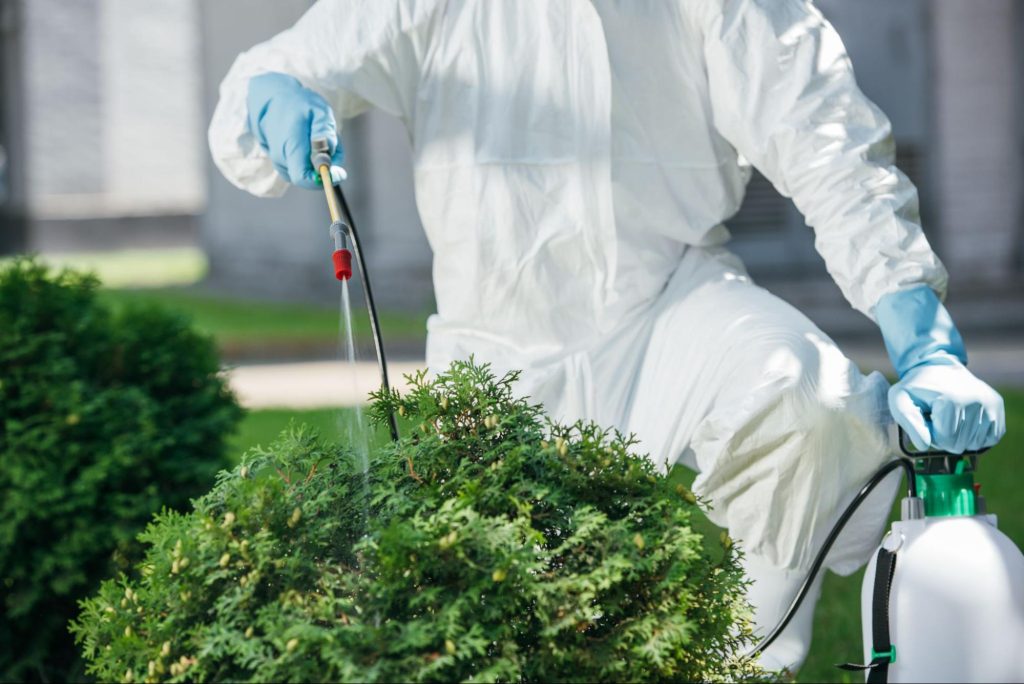
Pest problems can quickly turn a comfortable home or productive workplace into a stressful environment. However, many property owners now question the chemicals used to eliminate unwanted pests. They want reliable protection without unnecessary exposure to harsh treatments or lingering chemical residues. Growing awareness of health concerns and environmental impacts has increased interest in safer pest management. As a result, more customers are choosing pest control companies that prioritize prevention and targeted treatments.
Why Safer Pest Control is Gaining Popularity
Traditional pest treatments often rely on chemical pesticides to control insects, rodents, and other unwanted pests. Although these products can work effectively, their application may raise concerns about exposure and environmental impact. Residential and commercial property owners increasingly want solutions that address infestations without unnecessary chemical use. Safer pest management services respond to these expectations through careful inspections, prevention, and selective treatment methods.
Greater Awareness of Chemical Exposure
Customers increasingly recognize that pesticide exposure depends on the product, concentration, and application method. Certain chemicals may cause irritation or other health effects when people encounter them improperly. Families often worry about residues on floors, countertops, and frequently touched household surfaces. Business owners also consider how treatments might affect employees, customers, and daily operations. These concerns encourage customers to ask detailed questions before approving pest control services. Companies offering transparent treatment plans can help property owners make more informed decisions.
Changing Expectations for Pest Services
Customers no longer judge pest control companies solely on how quickly they eliminate infestations. Many also consider treatment methods, communication, environmental practices, and long-term prevention strategies. They expect technicians to explain which products they use and why they’re necessary. Property owners also appreciate recommendations that reduce the likelihood of recurring pest problems. These expectations have encouraged service providers to offer more customized pest management programs. Consequently, lower-toxicity approaches have become an attractive alternative to routine chemical applications.
Demand for More Responsible Treatments
Environmental concerns have influenced how customers evaluate everyday property maintenance services. Many prefer businesses that limit unnecessary chemical applications and reduce potential environmental contamination. Pest control is particularly relevant because treatments may affect soil, water, and surrounding wildlife. Customers increasingly favor targeted applications over widespread spraying when both approaches can address the problem. They also value companies that combine effective treatments with practical prevention measures. Responsible pest management reflects these priorities without sacrificing reliable pest control.
How Lower-Toxicity Treatments Reduce Risks
Non-toxic pest control generally describes methods designed to minimize exposure to potentially harmful substances. However, no pesticide should automatically be considered completely harmless, including products derived from natural ingredients. Professional providers assess pest activity, treatment locations, and potential exposure before recommending suitable solutions. Their goal is to control infestations while minimizing unnecessary risks to people and the surrounding environment.
Reduced Exposure Around Children and Pets
Children and pets may encounter treated surfaces more frequently than other household members. Young children often crawl, touch floors, and place objects near their mouths. Pets may investigate treated areas or come into contact with residues while exploring their surroundings. Lower-toxicity methods can reduce certain exposure concerns when technicians select and apply treatments appropriately. Professionals may also recommend physical barriers, exclusion methods, or carefully placed bait stations. Customers should still follow all safety instructions and observe recommended reentry times after treatment.
Better Control of Indoor Chemical Applications
Indoor pest treatments require careful planning because enclosed spaces can increase certain exposure concerns. Routine spraying may not address the conditions attracting pests into a building. Professional technicians can instead identify entry points, nesting locations, and sources of food or moisture. Targeted treatments focus on affected areas rather than applying pesticides throughout an entire property. This approach can reduce unnecessary applications while maintaining effective pest management. Property owners also receive clearer instructions about ventilation, treated surfaces, and safe access.
Practical Protection for Sensitive Occupants
Some occupants have respiratory conditions, allergies, or sensitivities that influence their treatment preferences. Strong odors and certain pesticide formulations may create additional concerns for these individuals. Lower-odor products and nonchemical methods can provide alternatives in appropriate situations. However, natural ingredients may also trigger allergic reactions or cause irritation. Reputable pest control companies discuss occupant concerns before choosing treatment products and application methods. Customers should communicate relevant sensitivities and request product information whenever necessary.
Why Prevention Delivers Lasting Pest Control
Effective pest management involves more than eliminating pests already visible inside a building. Infestations often develop because properties provide accessible food, water, shelter, and entry points. Preventive pest control addresses these conditions before pest populations become difficult to manage. Companies using integrated pest management combine inspection, monitoring, exclusion, sanitation, and targeted treatments.
Detailed Inspections Identify Pest Sources
A thorough inspection helps technicians understand why pests entered a property. They examine structural gaps, plumbing areas, storage spaces, and locations showing signs of infestation. Pest identification also helps determine which treatment methods will work most effectively. For example, ants and cockroaches require different strategies because their behavior and nesting patterns differ. Technicians can then recommend solutions based on actual conditions rather than assumptions. Accurate inspections reduce unnecessary treatments and help property owners address recurring pest activity.
Exclusion Methods Prevent New Infestations
Many pest problems begin when insects or rodents find openings around a building. Gaps beneath doors, damaged screens, and utility penetrations provide convenient entry routes. Pest control professionals may recommend sealing cracks, installing door sweeps, and repairing damaged barriers. These improvements reduce access without relying entirely on chemical treatments. Exclusion also supports long-term control by addressing how pests enter buildings. Property owners can strengthen these results through regular maintenance and timely structural repairs.
Sanitation and Monitoring Support Results
Pests frequently remain active where food, moisture, and shelter are readily available. Leaking pipes, overflowing trash containers, and poorly stored food can attract unwanted visitors. Technicians help customers identify conditions that encourage pests to remain or reproduce. Monitoring devices can also reveal activity before a small problem becomes a larger infestation. Regular inspections let professionals adjust treatment plans as pest conditions change. Together, sanitation and monitoring reduce dependence on repeated pesticide applications.
Benefits for Homes and Commercial Properties
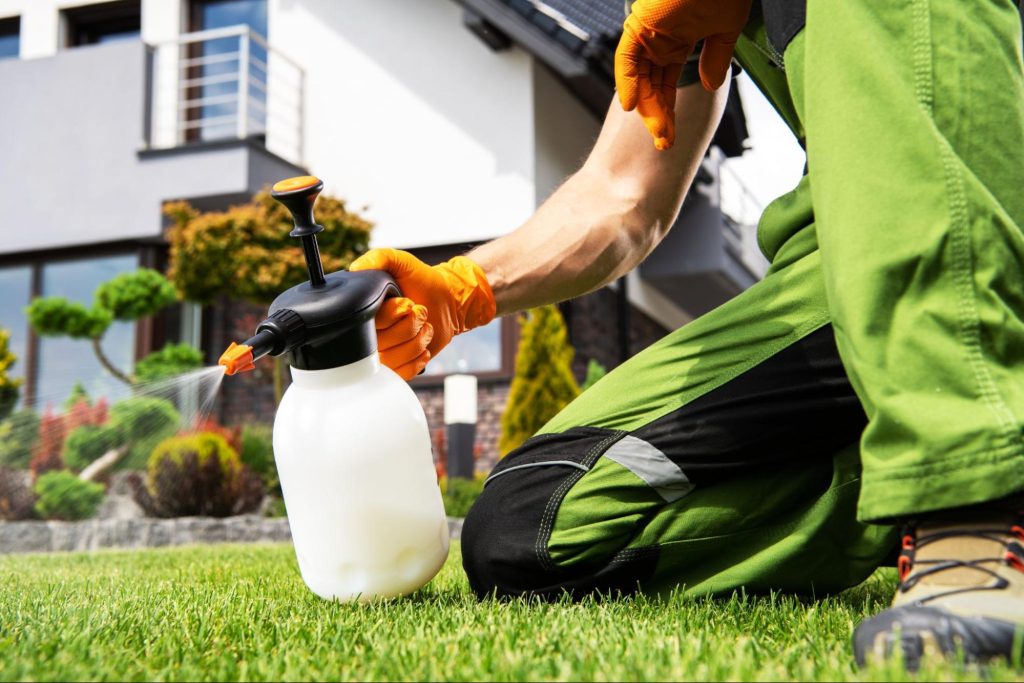
Residential and commercial buildings face different pest pressures, but both require dependable protection. Homeowners prioritize comfortable living spaces, while businesses must also consider operational and regulatory requirements. Lower-toxicity pest management offers flexible solutions that account for these different needs. Professional service providers can adjust inspections, treatments, and maintenance schedules to suit each property.
More Comfortable Residential Environments
Homeowners often want pest treatments that cause minimal disruption to everyday routines. Extensive chemical applications may require additional precautions or temporary restrictions around treated areas. Prevention-focused services can reduce unnecessary applications through sealing, monitoring, and targeted pest removal. Families also appreciate knowing where technicians apply products and what precautions they should follow. Clear communication helps residents prepare their homes and understand expected treatment results. Regular maintenance can further reduce pest activity without relying on frequent whole-home spraying.
Less Disruption to Business Operations
Commercial pest problems can disrupt employees, customers, inventory, and normal business operations. Restaurants, offices, warehouses, and retail spaces also have different sanitation and pest management requirements. Targeted treatments allow technicians to address specific problems while considering operational schedules. Some nonchemical methods may reduce the need to restrict access to large areas. However, businesses must still follow applicable pesticide labels and industry-specific safety requirements. A customized service plan helps minimize interruptions while maintaining consistent pest protection.
Stronger Confidence in Property Maintenance
Visible pests can quickly damage confidence in a property’s cleanliness and maintenance standards. Customers may question sanitation practices when they encounter insects or rodents inside commercial spaces. Tenants also expect property managers to respond promptly when infestations develop. A documented pest prevention program demonstrates consistent attention to building conditions and occupant concerns. Regular service reports help managers track activity, completed treatments, and recommended improvements. This transparency supports better maintenance decisions and more dependable pest management.
Environmental Benefits of Targeted Pest Control
Pest management decisions can affect more than the building receiving treatment. Certain pesticides may reach surrounding soil, drainage systems, or unintended organisms if applied improperly. Lower-impact approaches aim to reduce these risks through prevention and careful product selection. Customers increasingly recognize that effective pest control and environmental responsibility can work together.
Less Unnecessary Pesticide Use
Broad pesticide applications may treat areas where pests are not actively present. Integrated pest management instead uses monitoring results to determine when treatments are necessary. Technicians select products and application methods according to the identified pest problem. This process can reduce pesticide quantities without automatically compromising treatment effectiveness. Fewer applications may also limit accidental exposure and environmental contamination. Customers benefit from an evidence-based treatment strategy rather than routine spraying.
Greater Protection for Beneficial Organisms
Not every insect found around a property creates a pest problem. Bees, butterflies, and other beneficial organisms contribute to healthy surrounding ecosystems. Broad-spectrum insecticides can harm non-target species when products reach unintended areas. Targeted treatments help professionals avoid unnecessary applications near habitats for beneficial insects. Habitat management and physical controls may also provide effective alternatives for certain pests. Responsible providers consider these effects when developing outdoor pest management recommendations.
Understanding Costs and Long-Term Value
Price remains an important consideration when choosing a professional pest control company. Some lower-toxicity services require detailed inspections, specialized equipment, or additional preventive work. Initial costs can vary based on the infestation, property size, and treatment requirements. However, customers increasingly evaluate overall service value rather than comparing individual treatment prices.
Fewer Recurring Problems May Reduce Expenses
Repeated infestations can create ongoing expenses for homeowners and commercial property managers. Temporary treatments may eliminate visible pests without addressing their entry points or nesting conditions. Prevention-focused services aim to address the underlying factors that support pest activity. Successful exclusion and sanitation improvements may reduce the need for repeated treatments. However, results depend on pest species, building conditions, and consistent maintenance. Customers should compare service plans based on expected outcomes and long-term requirements.
Preventive Maintenance Protects Property
Rodents, termites, and other pests can damage building materials or stored belongings. Some infestations also create sanitation problems that require additional cleaning or repairs. Early detection allows property owners to respond before damage becomes more extensive. Regular monitoring can identify warning signs that occasional treatments might overlook. Preventive maintenance also helps businesses avoid certain pest-related disruptions and unexpected expenses. Investing in consistent inspections may provide better value than repeatedly responding to established infestations.
Choose Safer Pest Protection Before Pests Spread
Waiting until an infestation becomes severe can limit available treatment options. Early action gives property owners more opportunities to use prevention and targeted control methods. Residential and commercial customers should seek providers that explain risks, identify pest sources, and prioritize lasting solutions. Choosing a qualified pest control company today can reduce future problems while supporting healthier property management.
Want to learn more about safer and more effective pest management? Visit the SoCal Gophers LLC blog for practical tips, expert insights, and helpful pest prevention advice.