
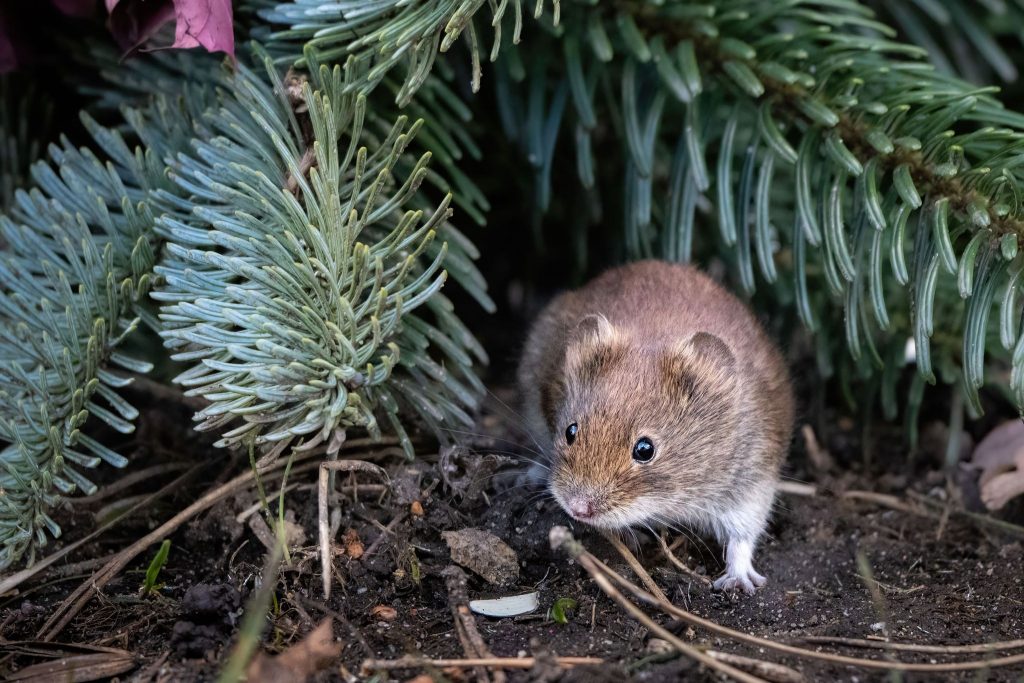
Voles can cause extensive damage before most property owners realize there is a problem. These small rodents often remain hidden while feeding on roots, bark, bulbs, and vegetation throughout a landscape. Many property owners discover the issue only after plants decline or expensive landscaping begins to fail. Quick action matters because vole activity can spread rapidly across a property. Professional wildlife and pest management services provide targeted solutions that address the source of the problem while helping prevent future damage.
What Are Professional Vole Control Services?
Professional vole control services involve inspecting a property, identifying active infestations, and applying targeted management strategies. These services address existing rodent activity while reducing conditions that attract future populations. Professionals use specialized knowledge, monitoring techniques, and customized treatment plans. The goal is to protect landscapes, outdoor assets, and property value through long-term management.
Understanding the Impact of Voles on Properties
Voles may appear harmless at first glance, but their activity often creates costly consequences. They feed beneath vegetation and use concealed pathways, making detection difficult. Property owners frequently underestimate how much damage these rodents can cause over time. Understanding their behavior helps explain why professional intervention often produces better results.
How Voles Damage Landscapes and Outdoor Spaces
Voles feed on roots, bulbs, grasses, and plant stems year-round. Their feeding habits weaken vegetation from below the surface. As a result, plants may die without obvious signs of disease. Trees and shrubs can also suffer when voles chew bark near the base. Extensive feeding often affects the appearance and health of an entire landscape.
Hidden Problems That Grow Over Time
Many vole infestations remain unnoticed during their early stages. Their tunnel systems often stay concealed beneath grass, mulch, or vegetation. Small populations can expand quickly when food and shelter remain available. Damage increases as the number of units across the property grows. Delayed action often leads to higher repair and restoration costs.
Who Benefits Most From Professional Vole Control?
Professional vole control benefits homeowners, businesses, property managers, and community associations dealing with landscape damage and underground rodent activity. Homeowners often seek expert help to protect gardens and other valuable outdoor investments from costly root damage. Commercial properties benefit from professional solutions that help create a positive impression for visitors and customers. Properties with extensive landscaping, mature trees, and decorative plantings also face a greater risk of damage and often require specialized attention. Wildlife control experts can identify hidden activity, address contributing factors, and recommend preventive pest solutions tailored to the property. This proactive approach helps reduce restoration costs, preserve property value, and support long-term landscape health.
Why Expert Vole Management Makes a Difference
Property damage often begins long before vole activity becomes obvious. Many property owners resort to quick fixes, yet recurring issues often reveal deeper problems that require a more strategic approach. Understanding the advantages of professional assistance helps explain why expert solutions deliver stronger and longer-lasting results.
More Effective and Reliable Results
Property owners often attempt to address rodent problems on their own. While some methods may temporarily reduce activity, they rarely resolve the underlying issue. Professional assistance combines inspection, treatment, monitoring, and prevention into a coordinated strategy. This approach produces more dependable outcomes and reduces the likelihood of recurring problems.
Accurate Identification of the Problem
Many signs of rodent activity look similar at first glance. Surface runways, damaged plants, and disturbed soil can indicate the presence of several pests. Without proper identification, property owners may choose treatments that fail to address the real issue. Professionals know how to distinguish vole activity from other common landscape pests. Their assessment creates a clear starting point for treatment. As a result, time and resources are directed toward solutions that actually work.
Customized Solutions for Each Property
No two properties present the same conditions or challenges. Landscape design, vegetation density, moisture levels, and nearby habitats all influence pest activity. Professionals evaluate these factors before recommending a treatment plan. This process helps them focus on the areas that need the most attention. A customized approach often produces better results than generic methods. Property owners benefit from solutions designed around their specific environment.
Addressing the Root Cause of Activity
Removing existing pests is only part of the solution. Long-term success depends on understanding why the infestation developed in the first place. Professionals identify conditions that support nesting, feeding, and movement throughout the property. They then recommend practical changes that make the area less attractive to rodents. This proactive approach reduces the chances of future problems. It also helps property owners protect their investment more effectively.
Expert Knowledge That Saves Time
Professional pest management teams encounter infestations regularly. Their experience allows them to recognize patterns and risk factors that property owners may overlook. They understand seasonal behaviors and population trends. This expertise supports faster decisions and more effective outcomes.
Understanding Rodent Behavior and Habitats
Effective treatment begins with a clear understanding of pest behavior. Professionals know where rodents prefer to feed, travel, and seek shelter. This knowledge helps them locate activity that might otherwise go unnoticed. They can also identify environmental factors contributing to the problem. Better insight leads to more accurate treatment decisions. Property owners gain the advantage of expertise built through real-world experience.
Applying Proven Industry Techniques
Professional services rely on methods that have been tested in a variety of situations. Technicians understand which strategies perform best under different conditions. They adjust their approach based on infestation severity and property characteristics. This flexibility helps improve treatment effectiveness. It also reduces the trial-and-error often associated with do-it-yourself efforts. The result is a more efficient path toward resolving the problem.
Recognizing Problems Before They Escalate
Small warning signs often appear before major damage becomes visible. Professionals know what to look for during inspections. Their trained perspective allows them to spot developing issues early. Early detection helps limit the spread of activity across the property. It also reduces the likelihood of costly repairs later. This preventive advantage adds significant value to professional assistance.
Lower Costs Over the Long Term
Many property owners focus initially on treatment expenses. However, the financial impact of unchecked activity often exceeds the cost of professional assistance. Early intervention helps limit damage and future repair needs. Professional support can provide substantial value over time.
Reducing Landscape Replacement Expenses
Trees, shrubs, ornamental plants, and lawns often represent a significant investment. Rodent feeding activity can gradually damage these assets, sometimes beyond repair. Once extensive damage occurs, replacement costs can increase quickly. Professional treatment helps limit losses before they become widespread. Protecting existing landscaping is usually more affordable than replacing mature plantings. This approach helps preserve both property appearance and financial resources.
Preventing Recurring Problems
Temporary solutions may reduce activity for a short period, but recurring infestations often follow. Repeated treatments can become expensive and frustrating over time. Professionals focus on identifying the factors contributing to the problem. They address both current activity and future risks. This broader strategy reduces the chances of repeated infestations. Property owners often spend less when long-term prevention becomes part of the solution.
Avoiding Hidden Repair Costs
Damage does not stop at lawns and garden beds. Rodent activity can affect irrigation systems, landscaping features, and newly planted vegetation. These issues often remain unnoticed until repairs become necessary. Professional inspections help uncover problems before they worsen. Early action limits unexpected expenses and protects outdoor investments. This preventative value often offsets the cost of professional treatment.
Ongoing Monitoring and Prevention
Successful rodent management involves more than a single treatment visit. Ongoing evaluation helps determine whether activity has decreased and identifies emerging concerns. Professional support often includes inspection and monitoring components. These measures contribute to more consistent and lasting results.
Identifying Conditions That Attract Pests
Certain landscape conditions naturally attract rodents. Dense ground cover, excessive vegetation, and readily available food sources create favorable environments. Professionals evaluate these factors during their inspection process. They then recommend practical changes that discourage future activity. Small adjustments can make a meaningful difference over time. This preventive focus strengthens overall property protection.
Tracking Results After Treatment
Treatment works best when progress is monitored consistently. Professionals look for signs of reduced activity and evaluate how well the strategy is performing. They can make adjustments when conditions change or new concerns appear. This ongoing attention helps maintain momentum after the initial treatment phase. Property owners receive a clearer picture of what is happening on their property. Monitoring helps support more reliable long-term results.
Building a Stronger Prevention Plan
Lasting protection requires more than reacting to current problems. Professionals help property owners develop strategies that reduce future risks. Their recommendations often include habitat modifications and maintenance practices. These measures support a less inviting environment for rodents. A stronger prevention plan reduces future disruptions. It also helps maintain the effectiveness of previous treatments.
Signs It’s Time to Contact a Vole Specialist
Rodent activity often becomes visible only after damage has already occurred. Many property owners notice declining plants or unusual lawn conditions without recognizing the underlying cause. Early intervention can prevent a localized issue from spreading across the property. Recognizing the warning signs helps determine when professional assistance becomes the most practical solution.
Persistent Lawn and Turf Damage
Healthy grass can begin showing signs of stress when burrowing rodents become active beneath the surface. Visible runways across the lawn often indicate frequent movement between feeding and nesting areas. Some areas may appear thin, uneven, or damaged despite regular maintenance. These symptoms can worsen as populations increase. Professional inspections help identify the source of the problem before larger sections of turf become affected. Early treatment helps protect both appearance and long-term landscape health.
Plants Dying Without an Obvious Cause
Root damage often develops below the surface long before visible symptoms appear. Flowers, shrubs, and ornamental plants may still weaken even with proper care. Property owners sometimes mistake this damage for disease or irrigation problems. However, feeding activity around root systems can be the actual cause. Wildlife control professionals can determine whether underground rodent activity is responsible. Accurate diagnosis helps prevent unnecessary plant loss and replacement costs.
Visible Surface Runways and Burrow Activity
One of the most recognizable signs of an infestation is a network of narrow pathways through grass and vegetation. These runways serve as travel routes between food sources and shelter areas. Their presence often suggests consistent activity throughout the property. As populations grow, the network may expand into additional landscape areas. Professional pest specialists can assess the extent of the infestation and recommend targeted solutions. Addressing the issue early helps reduce future property damage.
Repeated Problems Despite DIY Efforts
Many property owners try traps, repellents, or other store-bought solutions before seeking professional help. While some methods may provide temporary relief, the problem often returns when underlying conditions remain unchanged. Recurring activity usually indicates a larger issue that requires a broader strategy. Professionals evaluate both the infestation and the factors supporting it. Their recommendations focus on long-term control of rodent infestations rather than short-term suppression. This approach often delivers more reliable and lasting results.
Protect Your Property With Professional Vole Control
Small signs of vole activity rarely remain small for long. As damage spreads beneath the surface, repair costs often grow alongside it. Professional vole control offers a practical way to address existing infestations while reducing the conditions that attract future activity. Property owners who act early can protect valuable landscapes, avoid unnecessary expenses, and maintain healthier outdoor spaces with greater confidence.
A small pest problem today can become a costly repair tomorrow. Explore the SoCal Gophers LLC blog to learn how experts approach prevention, property protection, and long-term pest management.