
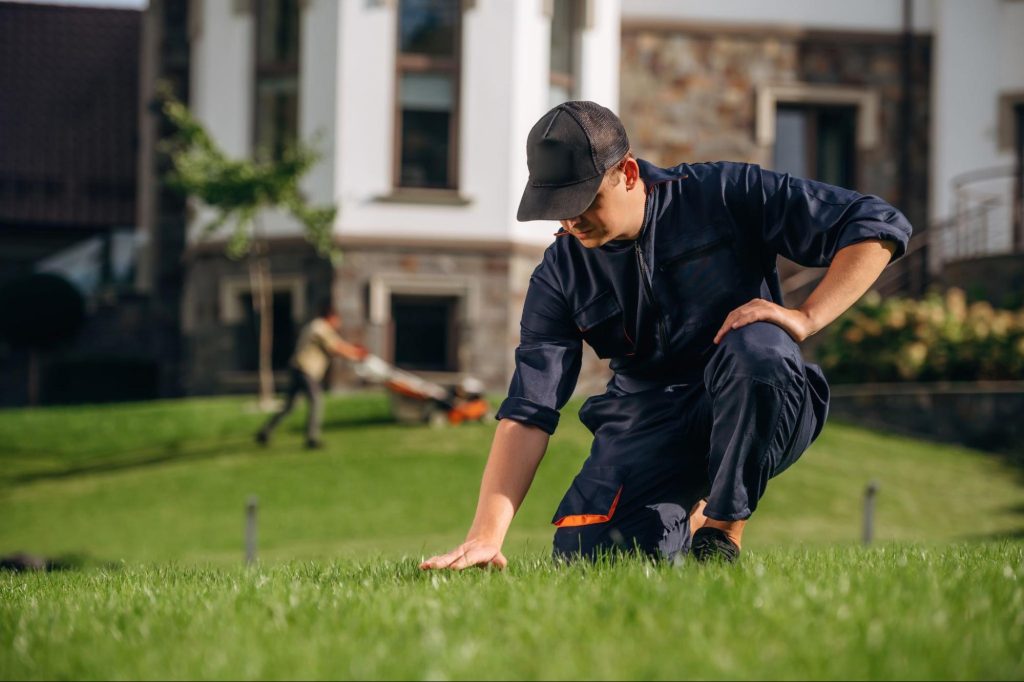
Gophers can turn healthy grounds into damaged landscapes faster than many property owners expect. Their underground activity harms lawns, gardens, landscaping, irrigation systems, and valuable plant roots. Mounds may seem like the main problem, yet most damage develops beneath the surface. Effective gopher control starts with identifying active tunnels and choosing methods suited to the property. A planned approach can reduce current activity while making future infestations easier to manage.
Understanding Gopher Activity
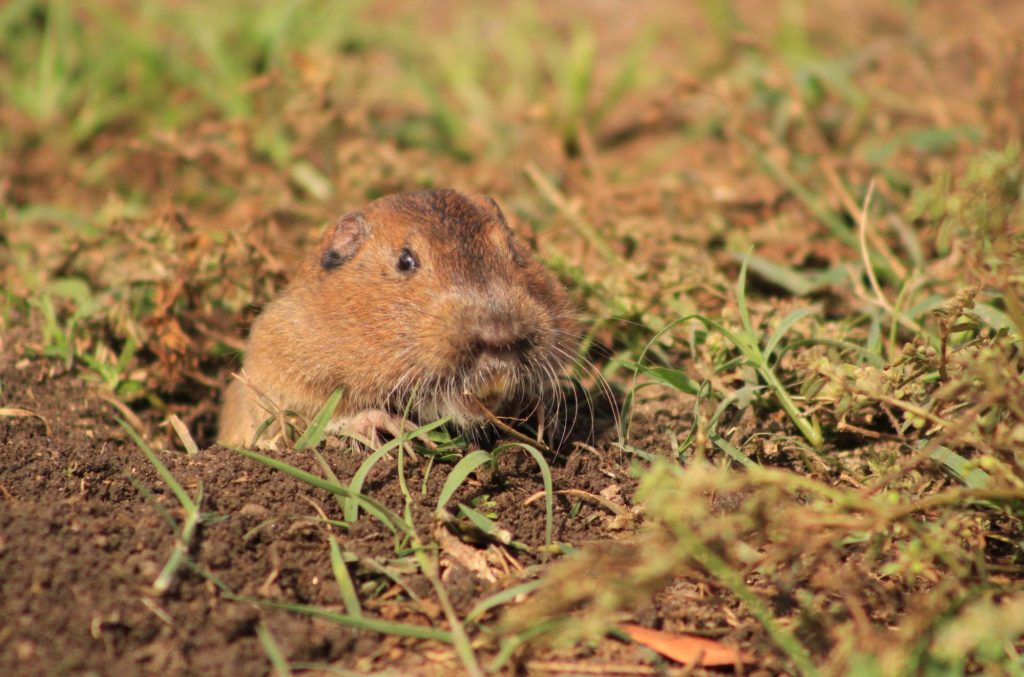
Gophers spend most of their lives underground, creating tunnel networks that provide food and protection. These burrows often extend through lawns, gardens, landscaped areas, fields, and commercial grounds. Because gophers remain hidden, property owners usually notice soil disturbances before seeing the animals themselves. Understanding their behavior helps owners select control measures that target active areas instead of wasting effort.
Recognizing Gopher Damage
Fresh soil mounds provide one of the clearest signs of active gopher activity. These mounds usually appear fan-shaped or crescent-shaped beside plugged tunnel openings. Gophers can also damage plants by feeding on roots or pulling vegetation underground. Trees and shrubs may weaken when repeated feeding damages their root systems. Gophers can also damage underground irrigation lines when they encounter them while digging or feeding. Regular inspections help property owners spot new activity before damage spreads across larger areas.
Finding Active Tunnel Systems
Locating an active tunnel improves the effectiveness of many direct gopher control methods. Main tunnels commonly run several inches beneath the surface and connect feeding areas with nesting chambers. Property owners can use a probe to locate hollow spaces near fresh mounds. Freshly disturbed soil generally offers better evidence than old, weathered mounds without recent digging. After locating a tunnel, owners can confirm activity by carefully opening and monitoring a section. Accurate tunnel identification prevents wasted traps, treatments, labor, and unnecessary disturbance across the property.
Why Gophers Stay on Properties
Gophers favor areas offering suitable soil and dependable underground food sources. Lawns, gardens, ornamental plants, and landscaped commercial grounds can provide attractive feeding opportunities. Loose soil also lets gophers expand tunnels more easily than compacted ground. Irrigated landscapes may support vegetation that supplies food throughout dry periods. Neighboring infestations can also create recurring pressure after you remove existing gophers. Long-term control works best when you regularly address property conditions and surrounding activity.
Direct Gopher Removal Methods
Direct removal targets animals already occupying active burrow systems. The best technique depends on infestation size, property use, landscape conditions, and local regulations. Residential yards may require a different approach than large commercial landscapes or managed grounds. Careful placement and follow-up usually matter more than simply choosing a popular control product.
Using Gopher Traps
Trapping offers a targeted way to remove gophers without treating an entire landscape. Successful trapping starts with finding the main tunnel, not placing traps beside random mounds. Depending on trap design, placement may require opening the tunnel and positioning gopher traps in likely travel paths. Proper placement increases the chance that a gopher encounters the device during normal underground movement. Property owners should inspect traps regularly and reset them when signs of activity continue. Larger infestations often require several placements because separate tunnel systems may contain different animals.
Applying Bait Treatments Carefully
Some gopher control programs use registered toxic baits placed inside active underground tunnels. Correct placement matters because surface applications can create unnecessary risks for people, pets, and wildlife. Product labels specify permitted uses, application requirements, precautions, and other important restrictions. Property owners should follow those directions exactly rather than improvising application rates or placement methods. Local requirements may also affect which products property owners or pest professionals can legally use. Professional service becomes especially valuable when infestations are extensive or treatment conditions are complicated.
Considering Burrow Treatment Options
Some professional programs use equipment or registered products that treat occupied burrow systems directly. Suitability depends on the site, infestation, soil conditions, regulations, and treatment method. A technique that performs well on open grounds may not suit landscaped residential areas. Underground utilities, irrigation components, structures, and sensitive locations can also affect treatment decisions. Property owners should avoid assuming every burrow treatment works equally well in every setting. A site-specific assessment can identify practical options while reducing unnecessary disruption to surrounding grounds.
Preventing Future Gopher Damage
Long-term gopher management continues after you remove active animals from the property. Landscapes need protection because new gophers can move into suitable areas over time. Physical barriers, routine monitoring, and targeted maintenance can reduce recurring damage. A prevention-focused strategy helps protect lawns, plantings, irrigation systems, and other valuable landscape features.
Protecting Lawns and Landscapes
Removing existing gophers addresses current activity, but vulnerable landscapes can attract future problems. Physical protection and thoughtful landscape management can reduce damage around high-value areas. These measures work especially well around gardens, young trees, ornamental beds, and selected commercial plantings. Combining protection with ongoing monitoring creates a stronger defense than relying on removal alone.
Installing Underground Barriers
Underground barriers can restrict gopher access to selected planting areas and vulnerable landscape features. Suitable wire mesh or similar materials can protect raised beds, gardens, and certain plantings. Barrier openings must be small enough to prevent gophers from passing through easily. Installation depth also matters because shallow barriers may leave accessible routes beneath protected areas. Poor installation can create gaps that allow animals to bypass an otherwise durable barrier. Professional planning may be worthwhile when protecting expensive landscaping or extensive commercial planting zones.
Protecting Trees and Valuable Plants
Young trees and ornamental plants can suffer serious damage when gophers feed on their roots. Properly selected protective baskets may limit access to root zones during planting. These barriers should accommodate future root growth rather than restrict healthy plant development. Existing mature landscaping can require different solutions because installing barriers may disturb established root systems. Monitoring soil around valuable plants can reveal new mounds before extensive root damage occurs. Prompt action protects landscape investments and reduces the likelihood of replacing damaged vegetation later.
Building a Gopher Prevention Plan
Gopher prevention focuses on detecting new activity before another extensive tunnel network develops. No landscape modification can guarantee that gophers will never enter a property. However, routine inspections and targeted maintenance can make recurring activity easier to identify and address. A practical prevention plan combines monitoring, landscape protection, recordkeeping, and timely corrective action.
Monitoring Grounds Regularly
Frequent inspections can reveal fresh mounds before gopher activity spreads across larger areas. Property owners should check lawns, fence lines, landscaped beds, and previously affected locations. Commercial managers can include these inspections within routine grounds maintenance schedules. Staff should document new mounds instead of flattening them before evaluating possible tunnel activity. Records help distinguish new infestations from older damage that no longer indicates active gophers. Faster detection also reduces the area requiring inspection, trapping, treatment, or landscape repair.
Managing Attractive Landscape Conditions
Healthy landscaping should remain the goal, so prevention should not depend on damaging desirable vegetation. However, property owners can identify areas that repeatedly support concentrated gopher activity. Dense plantings and consistently irrigated zones may provide dependable underground food sources. Landscape planning can prioritize physical protection where valuable vegetation creates recurring pressure. Repairing irrigation leaks can also remove unnecessary moisture while protecting water systems from additional damage. Strategic adjustments support normal landscape care while making recurring gopher problems easier to manage.
Choosing the Right Control Strategy
A reliable gopher management program rarely relies on one technique in every situation. Infestation size, landscape value, site access, safety concerns, and maintenance demands can change the best approach. Residential owners often prioritize gardens, lawns, pets, and family use when evaluating treatment options. Commercial owners may also consider appearance, liability, operational disruption, and the cost of repeated landscape repairs.
Matching Methods to Infestation Size
A small infestation may require less equipment and labor than widespread gopher activity. One fresh tunnel system can sometimes receive focused attention before additional animals establish nearby territories. Multiple mound clusters across broad grounds usually require a more organized inspection and control plan. Property managers should map recurring activity when large sites make visual tracking difficult. Records can reveal persistent zones and show whether previous control work produced lasting results. Matching effort to infestation size prevents both inadequate treatment and unnecessary work across unaffected areas.
Accounting for Property Use
Control decisions should reflect how people and animals use the property each day. Residential yards may contain children, pets, edible gardens, play areas, and frequently used outdoor spaces. Commercial properties can include customers, employees, tenants, landscaping crews, and public access areas. These conditions affect where you can use traps, barriers, or registered treatments. Scheduling also matters when control work could interfere with normal business activities or landscape maintenance. A method becomes practical only when it addresses gophers without creating avoidable property management problems.
Knowing When Professional Help Fits
Professional gopher control can save time when activity becomes extensive, persistent, or difficult to locate. Trained technicians can inspect mound patterns and identify likely active tunnel systems across complicated properties. They can also choose control techniques based on site conditions and applicable requirements. Commercial sites often benefit from documented service because recurring activity may require continued monitoring. Residential owners may seek help after repeated do-it-yourself attempts fail to reduce fresh mounds. Early professional involvement can also limit landscape damage before repairs cost more.
Measuring Gopher Control Results
Control work should produce measurable changes, not just temporarily hide visible signs of damage. Flattening mounds may improve appearance, but it does not confirm that underground activity has stopped. Property owners need practical indicators that show whether the selected methods are actually working. Continued observation provides the clearest evidence and helps identify areas requiring additional attention.
Checking for Fresh Mounds
Fresh mounds after treatment can indicate continued activity within an existing or nearby tunnel system. Property owners should distinguish new soil movement from old mounds left before control work began. Leveling selected old mounds can make later activity easier to recognize during follow-up inspections. New mounds appearing nearby may signal a surviving gopher or another animal occupying adjacent ground. Continued activity should prompt another tunnel assessment instead of repeated treatment in random locations. Consistent monitoring turns visible soil disturbance into useful information for future control decisions.
Repairing Damage After Control
Begin landscape repair after property owners have reasonable confidence that active digging has declined. Filling depressions can reduce tripping hazards and restore a more even lawn surface. Repair damaged irrigation components promptly to prevent leaks and unnecessary water loss. Plants with root damage may need monitoring because visible decline can continue after gopher activity stops. Commercial properties may require faster surface restoration when damaged grounds affect appearance or visitor safety. Repair work also creates a cleaner baseline for identifying new gopher activity later.
Choose Smarter Gopher Control Methods
Gopher damage rarely stops without targeted action. Addressing active tunnels early can protect landscaping, irrigation systems, and valuable plants from further damage. Choose control methods suited to your property, then monitor treated areas for renewed activity. Professional gopher control can provide reliable support when infestations persist, spread, or become difficult to manage.
Learn more about managing gopher problems with straightforward tips and expert insights from the SoCal Gophers LLC blog.