
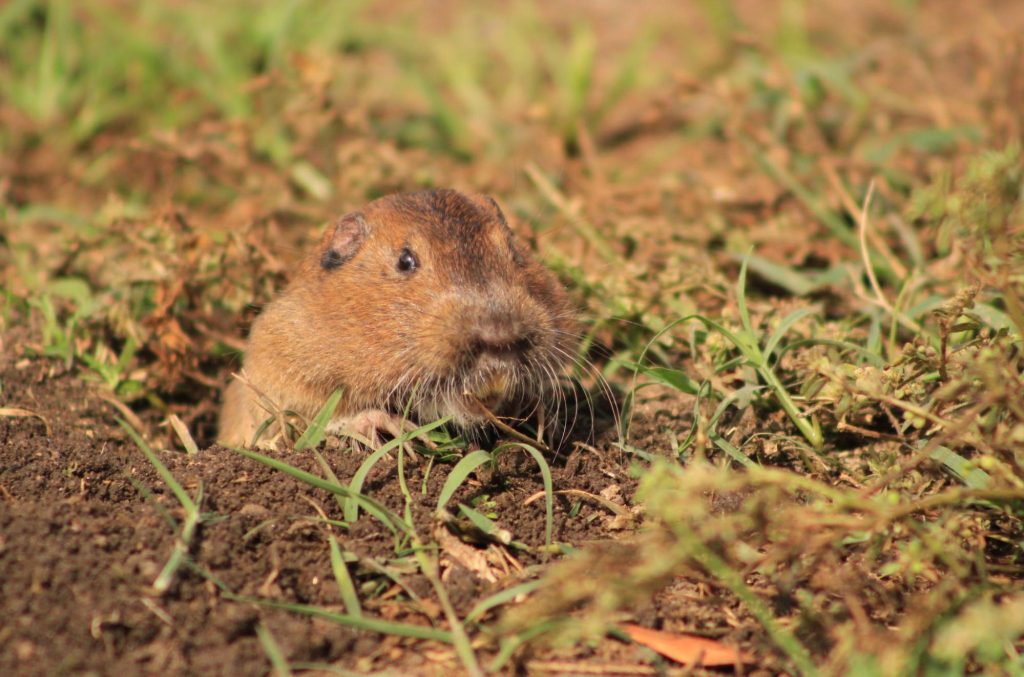
Fresh soil mounds across your lawn often signal an underground pest problem. Gophers can damage landscaping, destroy plant roots, and disrupt carefully maintained outdoor spaces. For homeowners and business owners, their tunneling activity can create expensive maintenance problems. Gopher traps offer a targeted way to control these burrowing rodents without relying on chemical treatments. Knowing how to select, place, and maintain traps helps you address infestations before property damage spreads.
Understanding Gophers and Their Damage
Gophers spend most of their lives underground, building extensive tunnel networks as they search for food. Their digging habits can damage lawns, gardens, landscaped grounds, and irrigation systems. Unlike occasional surface pests, gophers often remain active within the same territory for extended periods. Recognizing their behavior helps property owners choose effective control methods and avoid unnecessary treatments.
How Gophers Affect Residential Properties
Pocket gophers feed on roots, bulbs, tubers, and other underground plant material. Their feeding can weaken healthy plants and cause unexpected patches of dead grass. They also create soil mounds that interfere with mowing and routine lawn maintenance. In gardens, their tunnels may expose roots and reduce moisture around established plants. Homeowners may notice damaged irrigation lines or soil sinking around heavily tunneled areas. Addressing active burrows early can limit damage and reduce landscaping repair costs.
Problems Gophers Cause for Businesses
Commercial properties often have larger landscaped areas that provide suitable habitats for gophers. Office complexes, retail centers, and managed grounds can experience repeated damage from underground tunneling. Soil mounds create maintenance challenges and may introduce uneven walking surfaces. Damaged irrigation components can increase water expenses and require unexpected repairs. For businesses, neglected landscaping can also affect the appearance of entrances and outdoor gathering areas. Consistent monitoring helps property managers identify new activity before problems spread across the grounds.
Signs of an Active Gopher Infestation
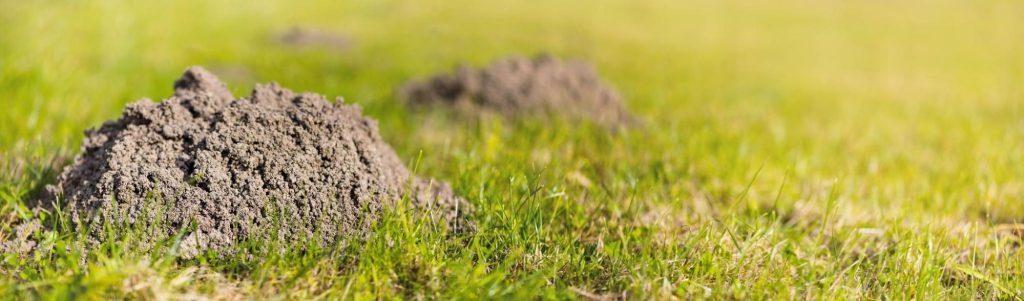
Fresh, fan-shaped soil mounds commonly indicate pocket gopher activity beneath the surface. Unlike molehills, gopher mounds usually contain an off-center plugged opening. You may also notice wilting plants, damaged roots, or newly disturbed garden beds. Fresh soil usually indicates recent digging, though older tunnel systems may remain occupied. Several mounds can come from one gopher because individual animals maintain extensive burrow networks. Checking for newly formed mounds helps you decide where to start trapping.
Common Types of Gopher Traps
Several trapping designs can control gophers, but their mechanisms and placement requirements differ. Most traditional gopher traps use spring-loaded components to capture animals inside active tunnels. The best design depends on tunnel dimensions, soil conditions, and how you prefer to handle the trap. Understanding these differences helps homeowners and commercial property managers choose reliable equipment.
Pincher-Style Gopher Traps
Pincher-style traps use spring-loaded jaws that close when a gopher triggers them. These devices generally fit inside underground tunnels and target animals moving through established passages. Their compact design makes them practical for lawns, gardens, and landscaped commercial properties. Proper positioning lets the trigger respond when a gopher enters the trap area. However, soil packed around the mechanism can interfere with its operation. Follow the manufacturer’s instructions and handle loaded traps carefully to prevent injuries.
Box-Style Gopher Traps
Box-style traps use an enclosed structure with a spring-operated capture mechanism. Some designs let gophers enter through one end before the trigger activates. Their enclosed construction can help protect certain moving components from loose soil. However, box traps are not necessarily live-capture devices, and many models kill the animal. Tunnel dimensions must accommodate the housing without creating large gaps around its edges. Review each model’s specifications to see whether it suits your soil and burrow conditions.
Tunnel and Spring-Loaded Traps
Tunnel traps sit in active underground passages and intercept gophers as they move. Different models use wire loops, jaws, or other spring-operated mechanisms to capture animals. Some designs work in either travel direction, while others require a specific orientation. Choosing the right size matters because narrow tunnels may restrict larger traps. Poorly prepared installations can also let loose soil obstruct sensitive triggers. Matching the trap to the tunnel structure improves the chances of successful placement.
Choosing the Right Gopher Control Equipment
The best trap for your property depends on more than its purchase price. Soil composition, tunnel size, infestation activity, and access for installation all affect trapping performance. Residential yards may require different equipment arrangements than extensive commercial landscapes. Comparing practical features helps property owners select traps they can operate safely and consistently.
Match the Trap to Soil Conditions
Sandy soil can collapse easily when homeowners expose underground tunnels to place traps. Heavy clay may hold its shape better but can complicate digging and equipment positioning. Rocky ground introduces another challenge because stones can obstruct trap jaws and triggers. Choose equipment that fits securely without requiring excessive excavation around the burrow. Avoid forcing traps into narrow passages because poor alignment can prevent proper activation. Stable placement supports reliable operation and reduces unnecessary disturbance around the trapping location.
Consider Safety and Ease of Use
Spring-loaded traps can cause injuries when handled incorrectly or activated unexpectedly. Look for models with clear instructions and mechanisms you can set confidently. Protective gloves and appropriate setting tools may improve handling, depending on the design. Children, pets, customers, and maintenance workers should never have access to exposed trapping equipment. Commercial operators should also consider staff training and procedures for securing active trapping locations. A manageable design supports safer operation and more consistent inspections throughout the control process.
Evaluate Durability and Maintenance Needs
Outdoor trapping equipment regularly encounters moisture, soil particles, and changing temperatures. Corrosion-resistant materials can extend service life when owners clean and store traps properly. Strong springs and dependable triggers also matter because damaged components can lead to missed captures. Inspect equipment for rust, bent parts, and accumulated debris before each use. Replace traps when their mechanisms no longer operate as the manufacturer specifies. Durable equipment can reduce replacement costs for properties that require repeated pest management.
Finding the Best Gopher Trap Locations
Successful trapping begins with identifying the underground passages gophers currently use. Placing equipment near random soil mounds often produces disappointing results. Gophers often close disturbed openings, so identifying tunnels is especially important. Careful inspection helps distinguish active main tunnels from temporary branches and abandoned passages.
Locate Active Underground Tunnels
Start by identifying fresh soil mounds and examining their general arrangement. A blunt soil probe can help locate tunnels beneath or beside recently disturbed ground. Main tunnels often run several inches below the surface, although their depth varies. Probe carefully to avoid damaging buried utilities, irrigation lines, or landscape features. Once you locate a passage, expose only enough soil to inspect its direction. An intact, frequently used tunnel offers a better trapping opportunity than an abandoned opening.
Identify Main Runs and Feeding Branches
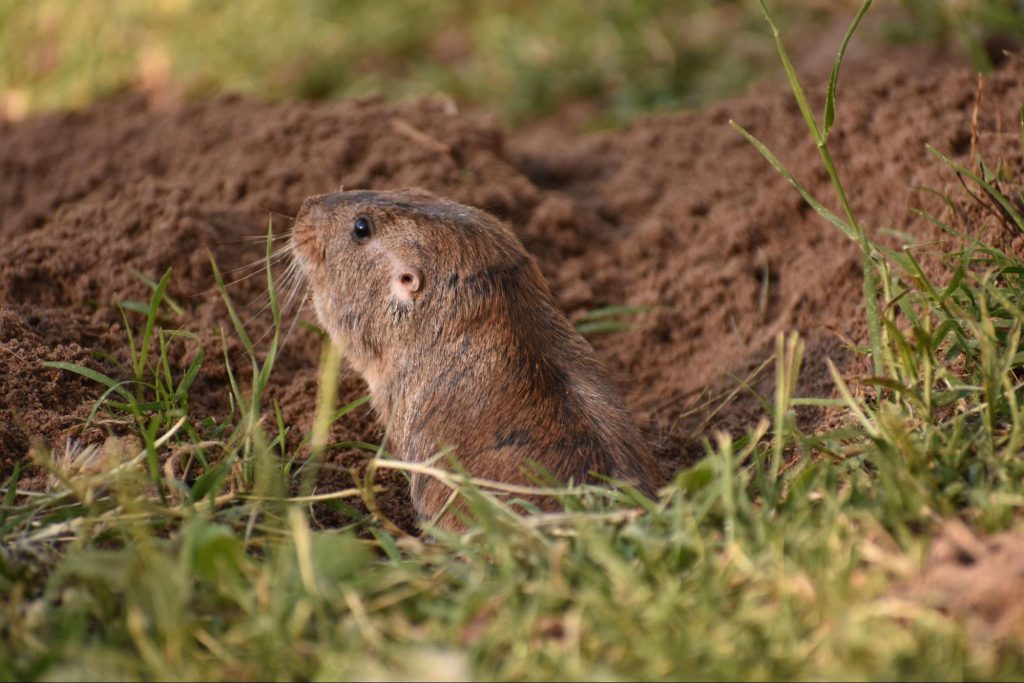
Gophers maintain main tunnels for movement and smaller branches for accessing nearby food sources. Main runs often connect several feeding areas within an individual animal’s territory. Fresh mounds can indicate recent excavation, but they do not always reveal the main tunnel directly. Carefully probe between nearby mounds to identify connecting passages. Placing traps along regularly traveled routes increases the likelihood of encountering an active gopher. Don’t assume every visible mound needs its own trap; one animal may create many.
Avoid Common Placement Mistakes
Poor placement can leave a trap untouched even when gophers remain active nearby. Loose soil inside the mechanism may prevent the trigger from operating correctly. Large openings around the trap can also encourage gophers to block the disturbed passage. Some trap designs require covering the excavation, while others work with controlled light exposure. Follow the manufacturer’s directions instead of using one installation method for every model. Accurate placement generally matters more than installing numerous traps without checking tunnel activity.
How to Set Gopher Traps Properly
Setting a gopher trap requires careful excavation, correct alignment, and safe handling. Each trap model has specific operating instructions that should guide installation. Working methodically reduces accidental activation and unnecessary disruption to surrounding landscaping. A properly prepared trapping location also makes inspection and removal easier.
Prepare the Burrow for Trap Installation
Locate an active tunnel, then remove a small section of soil above it. Use a narrow digging tool to expose the passage without collapsing its surrounding walls. Clear loose debris from the intended trap location and inspect the tunnel’s direction. Keep the opening as compact as possible to avoid disturbing nearby roots and irrigation components. Confirm that the tunnel accommodates the selected trap before setting its spring mechanism. Careful preparation helps preserve the natural passage and supports dependable equipment operation.
Position and Secure the Trap
Set the device according to its manufacturer’s instructions before placing it inside the tunnel. Align the trigger with the expected direction of gopher movement through the passage. Some systems use two opposing traps to intercept animals approaching from either direction. Secure each trap using the recommended anchor or tether to prevent displacement. Cover or leave the excavation open only as directed for that particular model. Keep the installation inaccessible to children, pets, visitors, and unauthorized maintenance personnel.
Inspect Traps and Handle Captures
Check installed traps at least daily and follow any stricter local inspection requirements. Prompt inspection helps identify captures, blocked passages, and equipment that needs adjustment. Wear protective gloves and avoid touching captured animals with bare hands. Dispose of carcasses according to local regulations and applicable property management procedures. Clean and inspect the trap before resetting it in another active tunnel. If activity continues without captures, reassess the location instead of repeatedly disturbing the same passage.
Safe and Responsible Gopher Trapping
Trapping requires attention to animal welfare, property access, and local pest control regulations. Rules vary by location, trap design, and whether protected wildlife is present. Improper installation can create hazards for people and animals unrelated to the infestation. Responsible practices reduce avoidable risks while supporting effective control.
Protect Children, Pets, and Other Wildlife
Never leave armed traps exposed where children or pets can access them. Mark trapping locations discreetly so authorized workers can find them without disturbing equipment. Avoid placing traps where irrigation repairs, mowing, or landscaping work may occur unexpectedly. Confirm the target animal before trapping because moles and other burrowing species require different approaches. Some regions protect particular wildlife species or restrict certain trapping methods. If you’re still unsure, consult a qualified pest management professional before proceeding.
Understand Local Trapping Requirements
Local rules can regulate trap types, placement, inspection intervals, and animal disposal. Requirements may also differ between residential property and commercial pest control operations. Check relevant wildlife agency guidance before purchasing or installing trapping equipment. Businesses should document control activities when their maintenance procedures or applicable regulations require records. Property managers may also need to coordinate trapping with tenants and contracted landscaping crews. Following applicable requirements helps prevent unnecessary legal problems and unsafe pest management practices.
Reduce Landscape Damage With Proven Gopher Traps
Gopher damage can escalate quickly, turning minor soil disturbances into expensive landscaping repairs. The right gopher traps help address active infestations before they cause further damage. Prompt action protects your property’s appearance, reduces maintenance costs, and prevents recurring problems. If gophers keep disrupting your landscape, professional pest control services can help you regain control and protect your investment.
Want to keep gophers from damaging your lawn and garden? Explore the SoCal Gophers LLC blog for helpful trapping tips, prevention strategies, and professional guidance on managing these underground pests.