
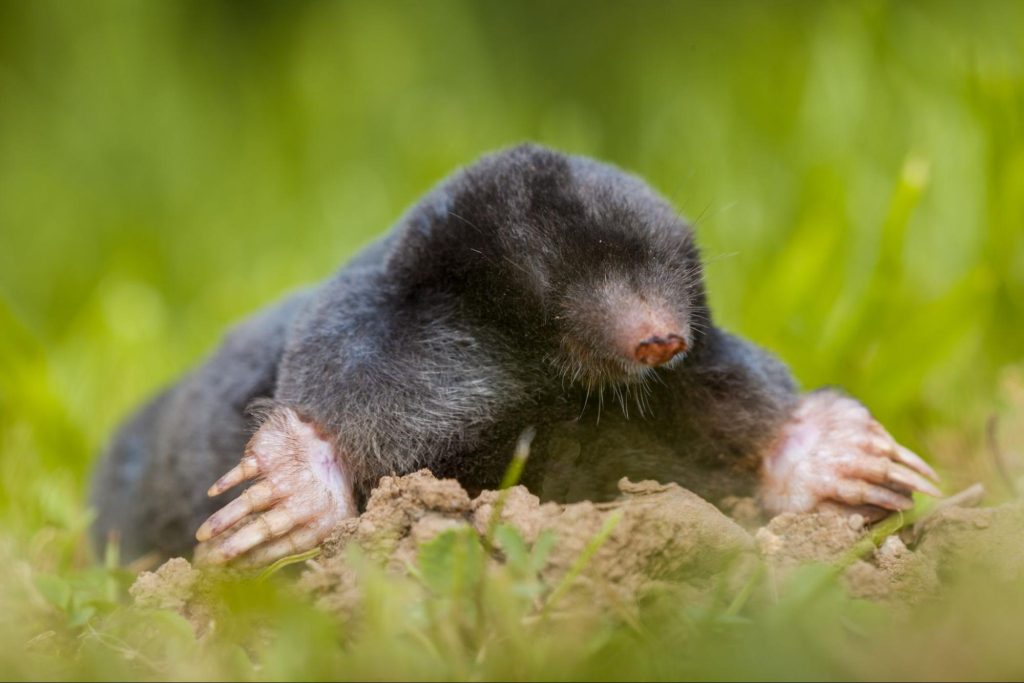
A beautiful lawn can quickly become frustrating when raised tunnels and soil mounds appear overnight. Moles create underground passageways that disturb grass roots, flower beds, and carefully maintained landscaping. Although these animals rarely appear above ground, their digging activity can leave noticeable damage across your yard. Many homeowners struggle to control mole activity because temporary solutions rarely address the underlying problem. Professional mole removal services offer a targeted approach to identifying active tunnels, removing moles, and protecting your landscape.
What is a Professional Mole Control Service?
A mole control service identifies, removes, and manages moles that create unwanted underground tunnels. Trained technicians examine your property to locate active burrows and determine the best treatment method. They use specialized equipment and practical knowledge of mole behavior to address existing activity. Their approach focuses on effective removal while reducing unnecessary disturbance to your lawn and landscaping.
How Professional Mole Removal Works
Professional mole removal begins with understanding where moles travel and how they use underground tunnels. Technicians examine visible damage and identify passageways that likely connect different feeding areas. They then select suitable control methods based on tunnel activity, soil conditions, and property characteristics. Most professional programs rely on strategically placed traps because trapping directly targets the animals causing damage. Technicians return to inspect their equipment, remove captured moles, and evaluate remaining signs of activity. The process continues according to the service agreement and findings from subsequent property inspections.
Why Mole Behavior Matters During Treatment
Moles spend most of their lives underground, searching for earthworms and other soil-dwelling invertebrates. Their tunnel systems include shallow feeding passages and deeper routes connecting different areas. Shallow tunnels often create raised ridges that become visible across lawns and garden beds. However, not every visible tunnel remains active, as moles often abandon temporary feeding passages. Understanding these habits helps technicians distinguish productive trapping locations from unused sections of the tunnel system. This knowledge also prevents unnecessary treatments in areas where mole activity has already stopped.
How Technicians Inspect Mole Activity
A professional inspection helps technicians understand the extent and location of mole activity. Surface damage provides useful clues, but visible tunnels rarely reveal the entire underground network. Technicians carefully examine the lawn before deciding where to place control equipment. Their findings guide the treatment plan and help avoid wasting time on inactive areas.
Identifying Mole Tunnels and Soil Mounds
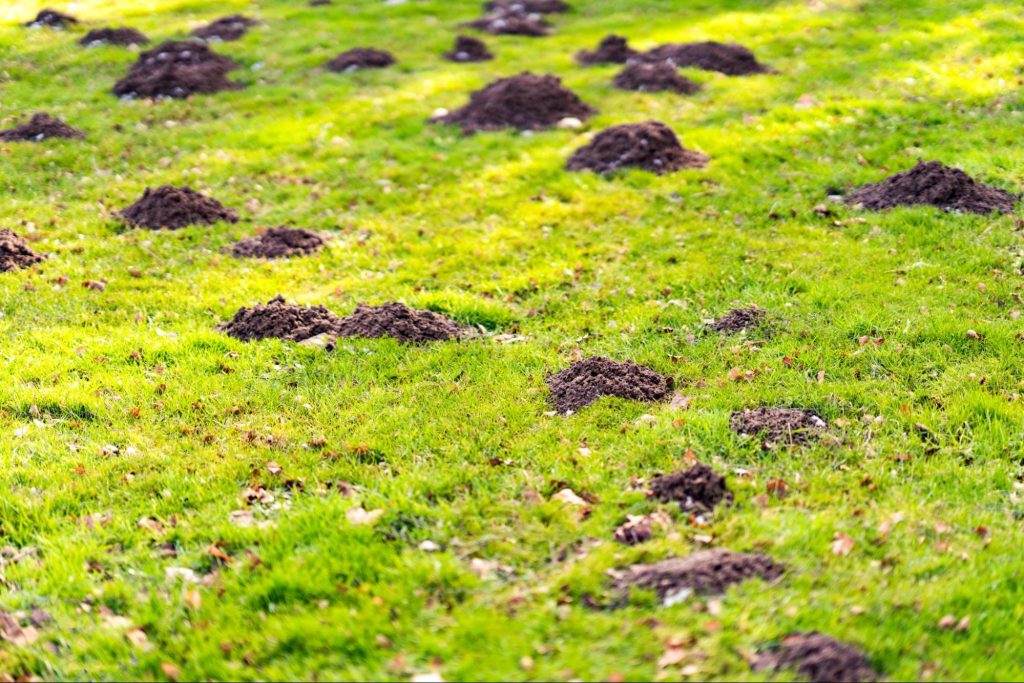
Mole tunnels usually appear as narrow, raised ridges running through grass or exposed soil. Fresh ridges may feel softer than surrounding ground because digging loosens the soil underneath. Some mole species also create rounded soil mounds when excavating deeper underground passages. Technicians examine these features to understand movement patterns and identify likely feeding routes. They also consider whether recent weather conditions have made certain tunnels more visible. Combining these observations helps them develop a clearer picture of activity throughout the property.
Checking Which Underground Routes Are Active
Finding an active tunnel requires more than noticing a raised section of grass. Technicians may gently flatten selected tunnel sections and check whether moles reopen them later. Repaired passages suggest continued movement, making those locations potential trapping sites. However, a tunnel that remains flattened does not automatically mean the property has no moles. Activity can shift as soil moisture, food availability, and seasonal conditions change. Professionals consider several signs before selecting locations for their control equipment.
Distinguishing Moles From Other Lawn Pests
Several underground animals create damage that homeowners may mistakenly attribute to moles. Voles often produce narrow surface runways and may damage roots, bulbs, and plant stems. Pocket gophers create underground burrows and can leave distinctive soil mounds around their tunnel openings. Moles primarily consume insects and earthworms rather than feeding directly on garden plants. Technicians compare damage patterns, tunnel structures, and other evidence before identifying the responsible animal. Accurate identification prevents unsuitable treatments and helps homeowners address the actual source of damage.
How Mole Trapping and Removal Work
Once technicians identify active tunnels, they begin the mole removal process using appropriate equipment. Professional trapping targets established travel routes where moles are most likely to encounter devices. Placement matters because traps installed in abandoned passages may remain untouched for extended periods. Technicians also follow applicable regulations and safety procedures throughout the trapping process.
Selecting the Right Mole Traps
Professional technicians use traps designed specifically for underground mole activity and tunnel conditions. Common designs include scissor-jaw, harpoon-style, and other specialized mechanical trapping devices. Each design operates differently, so technicians choose equipment suited to the location and soil structure. Some traps work better in shallow passages, while others require particular tunnel dimensions. Professionals also consider manufacturer instructions, local restrictions, and potential exposure to children or pets. Choosing suitable equipment improves trapping efficiency and reduces unnecessary disturbance around the treatment area.
Placing Traps Along Active Mole Tunnels
Effective trap placement depends on identifying passages moles use regularly. Technicians carefully prepare selected tunnel sections while preserving the surrounding underground route as much as possible. They position traps according to equipment requirements and the direction of mole travel. Proper placement allows the device to operate when a mole moves through the targeted passage. Technicians may mark treatment locations to prevent accidental contact during mowing or yard maintenance. They also explain any temporary precautions homeowners should follow while traps remain installed.
Monitoring Traps and Removing Captured Moles
Professional mole control involves follow-up visits rather than relying on a single trap installation. Technicians inspect their devices and determine whether mole activity continues near the treatment locations. When traps capture moles, technicians remove the animals and dispose of them according to applicable requirements. They may reposition equipment when activity shifts toward different sections of the property. Follow-up inspections also help distinguish remaining underground activity from older damage that has not recovered. The number of visits depends on the infestation, service arrangement, and treatment results.
Other Methods Used in Mole Management
Trapping remains a common professional approach, but some situations require additional management considerations. Technicians may discuss habitat conditions, approved control products, and measures that reduce future lawn damage. However, not every advertised mole treatment has strong evidence supporting its effectiveness. Reliable providers explain each option’s benefits and limitations before recommending additional services.
When Mole Repellents May Be Considered
Some mole control programs consider repellents as supplementary tools rather than primary removal methods. Certain products contain castor oil and aim to discourage activity in treated soil. However, results vary because repellents may not consistently drive moles away from established tunnel systems. Soil conditions, application coverage, and product formulation can influence their performance. Technicians should explain that repellents do not provide the same direct removal approach as trapping. Homeowners should also follow product labels and avoid assuming every repellent offers lasting protection.
Why Grub Treatments Rarely Solve Mole Problems
Homeowners sometimes assume that eliminating lawn grubs will automatically remove moles from their property. Although moles consume grubs, earthworms often make up a substantial portion of their diet. Removing grubs, therefore, may not eliminate the food sources that attract underground activity. Unnecessary insecticide applications can also affect beneficial soil organisms without resolving the mole problem. Professionals should recommend grub treatment only when a separate lawn pest issue justifies that application. Direct mole management generally provides a more targeted response than treating the entire lawn for insects.
What Happens During a Mole Control Visit?
A scheduled service visit usually follows a structured process based on the property’s conditions. Technicians inspect the affected areas, explain their findings, and recommend suitable treatment locations. They also discuss service expectations, equipment safety, and any necessary follow-up appointments. Understanding the visit helps homeowners prepare their property and recognize what professional treatment involves.
Preparing Your Lawn Before the Appointment
Homeowners can make the inspection easier by identifying areas where fresh mole damage recently appeared. Marking noticeable tunnels or photographing new soil mounds may help technicians locate changing activity patterns. Clearing unnecessary objects from affected lawn sections also improves access during the inspection. However, homeowners should avoid flattening every tunnel immediately before the scheduled appointment. Leaving visible evidence intact allows technicians to examine the original damage patterns more accurately. Keep pets away from work areas whenever technicians inspect tunnels or install equipment.
What Technicians Do During the Visit
The technician usually starts by asking when mole activity began and where damage continues. Next, they walk through affected areas and inspect visible tunnels, mounds, and surrounding landscaping. Their observations help determine which passages deserve closer examination or immediate treatment. When conditions allow, they install suitable traps and mark their locations for safety. They also explain the expected monitoring schedule and any restrictions around the treatment areas. Before leaving, the technician should clarify what homeowners can expect during the next service visit.
How Long Professional Mole Control Takes
Mole removal rarely follows the same timeline for every property or infestation. Some situations improve after a few successful trapping visits, while others require extended monitoring. Treatment duration depends on tunnel activity, property size, weather conditions, and the number of moles present. Moles may also enter from neighboring areas after existing animals have been removed. Technicians evaluate progress by looking for fresh signs of activity rather than relying only on older surface damage. A reputable provider explains realistic expectations without promising immediate or permanent elimination.
How Professionals Help Prevent Mole Damage
Removing active moles addresses the immediate problem, but future activity remains possible. Nearby moles may eventually move into available underground territory as conditions change. Professionals can explain practical maintenance measures and identify areas that need continued observation. Preventive planning focuses on early detection and realistic expectations rather than promising a permanently mole-free lawn.
Monitoring Your Lawn After Treatment
Property owners should watch for new raised ridges and fresh soil mounds after trapping ends. Older tunnels may remain visible even when moles no longer use them. Freshly disturbed soil provides stronger evidence of renewed activity than existing surface damage alone. Regular inspections after rainfall or irrigation can make changes easier to notice. Owners can document suspicious areas and share their observations with the service provider. Early reporting allows technicians to investigate new activity before extensive tunneling develops.
Protecting Gardens and Sensitive Lawn Areas
Physical barriers can protect selected planting areas where mole tunneling repeatedly causes problems. Properly installed underground mesh may help prevent moles from entering certain raised beds or garden sections. However, barrier effectiveness depends on installation depth, material strength, and complete coverage. Large lawns rarely benefit from extensive underground barriers because installation can become expensive and disruptive. Owners should discuss suitable barrier designs with professionals before modifying established landscaping. Targeted protection works best when combined with monitoring and appropriate removal methods.
Protect Your Yard With a Mole Control Service
Fresh mole tunnels can quickly turn a manageable lawn problem into costly landscaping repairs. Waiting allows continued digging to disturb more grass, garden beds, and surrounding soil. A professional mole control service can identify active tunnels and address the problem before further damage develops. Schedule an inspection at the first signs of activity to protect your lawn and avoid unnecessary restoration costs.
Mole problems aren’t the only threats to a healthy lawn. Explore the SoCal Gophers LLC blog for more information on pest activity, prevention, and effective yard protection.