
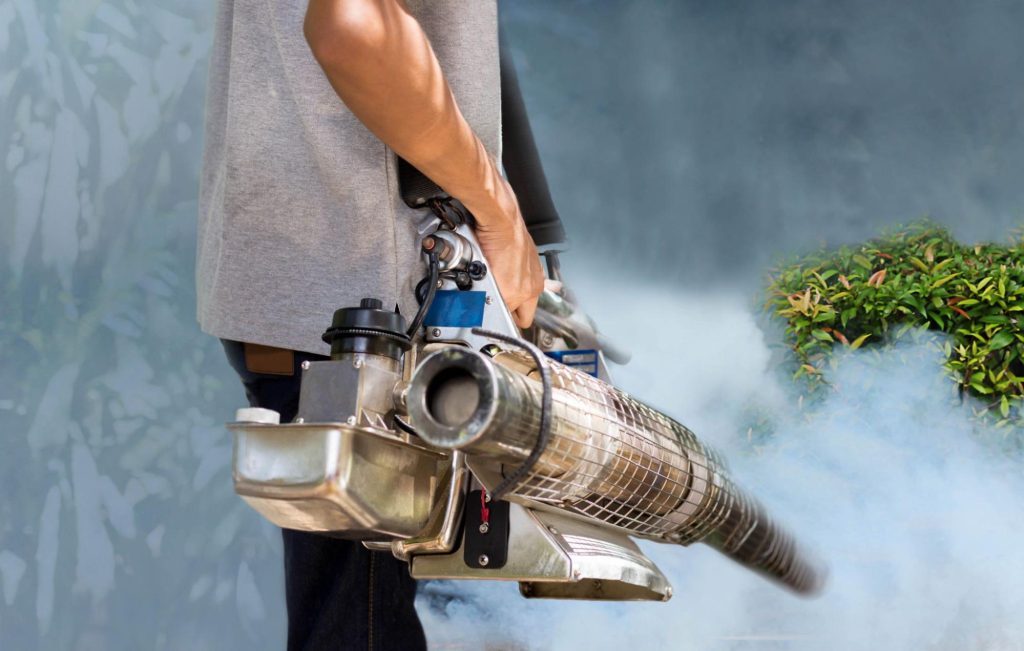
Mosquitoes can quickly make a comfortable property difficult to enjoy, manage, or operate. Their bites cause constant irritation and raise concerns about mosquito-borne illness and outdoor safety. Home treatments sometimes reduce activity, but recurring infestations often require a more organized approach. Professional mosquito control targets active adults, breeding areas, and property conditions supporting future populations. Understanding how these services work helps property owners decide when professional treatment offers worthwhile protection.
How Well Does Mosquito Control Work?
Professional mosquito treatments can substantially reduce mosquito activity when technicians use appropriate control methods. However, no responsible provider can promise permanent elimination because mosquitoes constantly enter properties from surrounding areas. Treatment effectiveness also depends on weather, property conditions, mosquito species, and nearby breeding sources. A strong control program therefore combines immediate population reduction with ongoing prevention and monitoring.
What Professional Treatments Can Achieve
Professional treatments can reduce adult mosquitoes resting around vegetation, shaded structures, and other protected locations. Technicians apply products to areas mosquitoes use most often, rather than treating every available outdoor surface. Targeted applications improve coverage while limiting unnecessary treatment around areas with little mosquito activity. Many programs also address immature mosquitoes before they develop into biting adults around the property. Regular service can keep populations low when environmental conditions continue to support mosquito breeding and movement. Property owners usually see better results when they pair treatments with practical changes around their homes or businesses.
Why Complete Elimination Is Unlikely
Mosquitoes move freely between properties, making permanent elimination from one location unrealistic in most situations. Nearby drainage areas, unmanaged yards, wetlands, and containers can continuously produce new adult mosquitoes. Wind and normal flight activity can also carry mosquitoes into previously treated outdoor spaces. Rain can create new breeding sites within days, especially in containers that collect standing water. Professional control therefore focuses on keeping mosquito pressure manageable rather than creating a mosquito-free boundary. Providers offering realistic expectations usually build their programs around reduction, prevention, and scheduled reassessment.
How Long Results Usually Last
Treatment duration varies by product, application method, rainfall, vegetation, and local mosquito pressure. Residual products may continue affecting mosquitoes that land on treated foliage after the initial application. Heavy rain and rapid plant growth can gradually reduce coverage across treated outdoor surfaces. High mosquito pressure from neighboring areas may also make populations appear to rebound sooner. Recurring programs address these limitations through scheduled applications during periods of continued mosquito activity. Technicians may adjust treatment timing when weather or property conditions shorten the expected control period.
What Happens During Mosquito Treatment?
Effective mosquito management involves more than spraying insecticide across a yard or commercial property. Technicians first need to understand where mosquitoes rest, breed, and enter frequently used spaces. That assessment helps them choose treatments suited to the property instead of applying one standard solution. Professional programs commonly combine inspection, adult mosquito control, larval management, and habitat recommendations.
Property Inspection and Mosquito Assessment
A technician typically begins by inspecting areas where mosquitoes can breed or remain protected. Common locations include dense landscaping, gutters, planters, drainage areas, containers, and shaded building edges. The inspection can reveal standing water that property owners may overlook during routine maintenance. Technicians may also identify structural or landscaping conditions that keep certain locations damp and sheltered. Commercial properties often require broader assessments because parking areas and drainage systems create additional breeding opportunities. A detailed inspection gives the provider useful information for building a more targeted treatment plan.
Adult Mosquito Treatment Methods
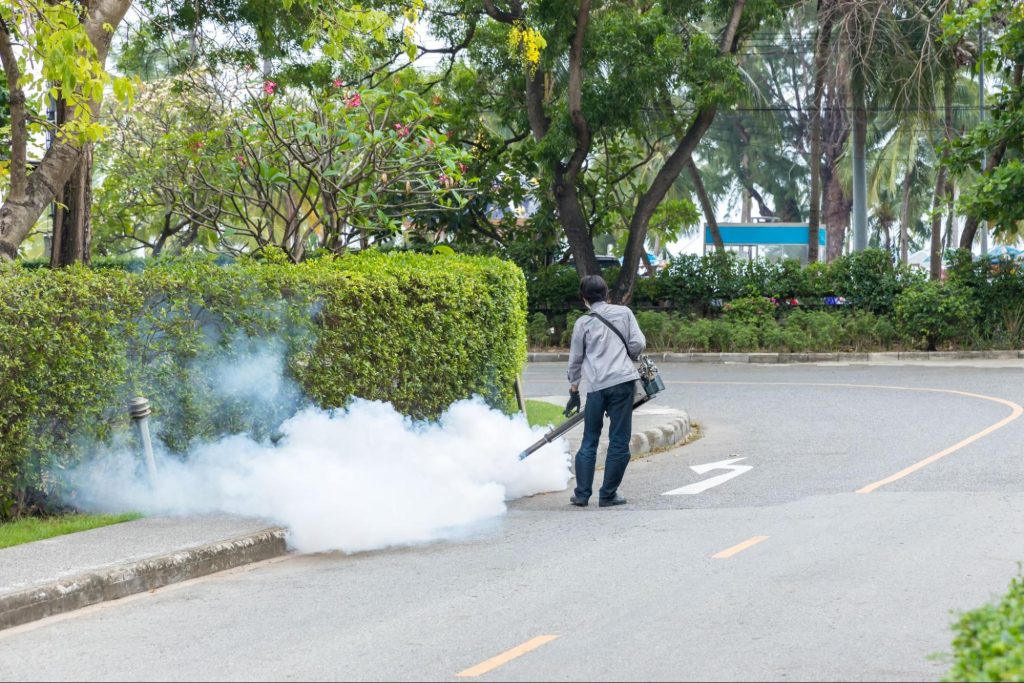
Adult mosquito control targets locations where mature mosquitoes rest before seeking another blood meal. Technicians commonly focus applications on shaded vegetation, shrubs, fence lines, and other protected outdoor areas. Treatment methods vary by property, product label, infestation level, and service provider. Professionals calculate application rates and follow product requirements for placement, timing, and restricted treatment areas. They should also account for people, pets, pollinators, water features, and surrounding environmental conditions. Targeted application concentrates control where mosquitoes spend time between flights.
Larval Control and Breeding Prevention
Larval control interrupts mosquito development before immature mosquitoes become flying adults that can bite people. Technicians may treat standing water that cannot reasonably be drained or removed from the property. Appropriate larvicides target developing mosquitoes while following specific product instructions for approved treatment locations. Removable water sources should usually be emptied because eliminating breeding habitat provides direct preventive value. Technicians can also recommend maintenance changes that reduce water accumulation after irrigation or rainfall. Combining larval and adult control addresses different mosquito life stages instead of chasing existing adults alone.
What Makes Mosquito Services Effective?
The quality of mosquito control depends heavily on how technicians design and maintain each program. Simply applying more product does not automatically create better or longer-lasting results. Strong programs account for mosquito biology, environmental conditions, property use, and changing activity throughout the season. Several practical factors determine how consistently professional treatments reduce mosquito pressure around a property.
Treatment Timing and Service Frequency
Mosquito populations can increase rapidly when warm conditions and available water support continued reproduction. Treatment schedules should therefore reflect local activity rather than follow arbitrary dates without reassessment. Long gaps between services may allow populations to recover before technicians return. Excessively frequent applications are also unnecessary when conditions do not support significant mosquito activity. Reliable providers schedule treatments according to product requirements and expected mosquito pressure during active periods. They may also recommend additional inspection after severe weather creates widespread standing water and breeding opportunities.
Property Conditions and Standing Water
A treated property can still experience heavy mosquito activity when breeding sources remain readily available. Buckets, clogged gutters, neglected fountains, tarps, and plant saucers can hold enough water for mosquitoes to develop. Commercial sites may have catch basins, drainage structures, equipment, or outdoor storage areas collecting rainwater. Removing these sources reduces the number of mosquitoes developing close to occupied outdoor spaces. Better drainage and routine property maintenance can also make professional treatments more productive over time. Owners should therefore view habitat management as part of mosquito control rather than separate housekeeping work.
Technician Skill and Treatment Coverage
Effective application depends on recognizing mosquito behavior and knowing where treatments will provide useful coverage. A trained technician should inspect conditions rather than treat every property with an identical routine. Dense vegetation may require careful attention because mosquitoes often shelter beneath leaves and inside shaded foliage. Poor coverage can leave untreated resting zones that allow populations to remain noticeable after service. Technicians should also recognize locations where treatment would provide little benefit or create unnecessary exposure. Consistent inspection and thoughtful application usually matter more than simply covering the largest possible area.
Home Treatments Versus Professional Control
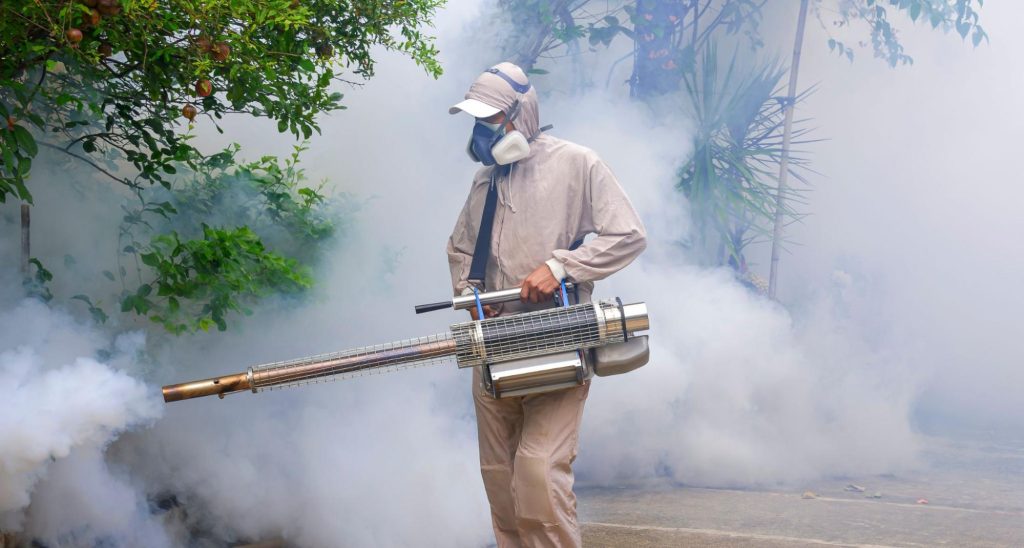
Property owners often try repellents, traps, sprays, or yard products before contacting a professional service. Some consumer options can reduce mosquito activity when used correctly and under suitable conditions. However, results often depend on finding breeding sites and applying products precisely where mosquitoes concentrate. Professional service becomes more valuable when mosquito pressure persists despite reasonable prevention and maintenance efforts.
Limits of Do-It-Yourself Mosquito Control
Do-it-yourself control often targets mosquitoes people can see rather than hidden breeding sources. Spraying open lawn areas may provide limited value when mosquitoes mainly rest within shaded vegetation. Homeowners may also overlook gutters, drainage features, or small containers producing repeated mosquito generations. Consumer products require careful label compliance because incorrect application can reduce effectiveness and create unnecessary risks. Maintaining consistent treatment schedules can become difficult during busy periods or changing weather conditions. Persistent infestations often expose these limitations and make professional assessment more practical.
When Professional Service Makes Sense
Professional mosquito service becomes reasonable when frequent biting continues despite removing obvious standing water sources. Properties with extensive landscaping may contain many resting areas that require systematic inspection and treatment. Businesses with outdoor seating can also benefit because mosquito complaints may affect customer comfort and operations. Large properties often demand more time, equipment, and technical knowledge than owners can reasonably provide. Recurring mosquito activity after rain may indicate hidden breeding conditions that trained technicians need to evaluate more closely. Professional help also suits owners who prefer scheduled management instead of repeatedly responding to new infestations.
Are Mosquito Treatments Worth the Cost?
The value of mosquito control depends on infestation severity, property use, and service quality. A lightly affected property may need fewer interventions than a heavily landscaped outdoor business. Owners should compare expected benefits with treatment frequency, contract terms, and included preventive support. Price matters, but treatment quality and realistic service expectations deserve equal attention.
Benefits for Homeowners
Homeowners often purchase mosquito control because they want to use patios, yards, and pools comfortably. Lower mosquito pressure can make routine outdoor activities more pleasant during peak activity periods. Professional inspections may also reveal overlooked water sources contributing to repeated mosquito problems near living areas. Recurring programs reduce the need to choose, buy, and apply multiple consumer products yourself. Families still need personal protection because mosquito treatments cannot prevent every possible bite. However, professional management can provide another protective layer alongside repellents, screens, and sensible outdoor habits.
Benefits for Business Properties
Mosquitoes can affect customer experience when businesses depend on patios, entrances, walkways, or outdoor gathering spaces. Persistent biting may shorten visits and create complaints that staff cannot solve with temporary repellents. Professional programs give businesses a structured process to monitor and address mosquito activity around occupied areas. Scheduled service can also help managers avoid relying solely on reactive treatments after customers notice problems. Provider documentation may support internal maintenance procedures and communication between property managers and facility teams. Businesses gain the most value when mosquito management becomes part of regular exterior property maintenance.
Questions to Ask Before Hiring
Property owners should ask providers how they inspect properties before recommending a mosquito control program. They should also ask which mosquito life stages the proposed treatments address. A reputable company should clearly explain service frequency, expected results, preparation requirements, and weather-related rescheduling policies. Customers should understand which areas technicians will treat and which locations they intentionally avoid. Asking about licensing, technician training, product labels, and follow-up procedures can reveal important service differences. Clear answers make it easier to compare providers based on treatment quality, not price alone.
How to Improve Mosquito Control Results
Professional treatment works best when property owners support it with routine mosquito prevention between visits. Small maintenance problems can quickly create new breeding areas even after a successful treatment. Owners do not need complicated equipment to reduce many of the conditions that attract mosquitoes. Consistent water management, landscaping care, and communication with technicians can strengthen long-term control efforts.
Remove Water Before Mosquitoes Develop
Standing water gives mosquitoes chances to reproduce near homes, employees, customers, and outdoor activity areas. Owners should regularly inspect containers, toys, tarps, gutters, planters, and other water-holding objects. Water can collect in surprisingly small spaces after rainfall, irrigation, or routine landscape maintenance. Items that cannot be removed should receive appropriate maintenance based on their intended use. Drainage problems may require repairs when water remains long enough for mosquitoes to develop. Regular inspections become especially useful after storms because new breeding sites can appear almost overnight.
Maintain Landscaping and Outdoor Areas
Overgrown vegetation creates shaded, humid resting areas that many adult mosquitoes use during daylight hours. Trimming dense shrubs can improve airflow and reduce sheltered areas near frequently occupied outdoor spaces. Property owners should also remove excessive yard debris that creates damp and protected mosquito habitat. Irrigation systems need proper adjustment because overwatering can leave persistent puddles across lawns and planting beds. Commercial grounds crews should include mosquito-friendly conditions during routine landscape and drainage inspections. Better property maintenance supports treatment effectiveness while reducing environmental conditions that encourage repeated mosquito activity.
Reduce Mosquito Pressure With Professional Services
Persistent mosquito activity can quickly limit how people use and enjoy outdoor spaces. Professional mosquito control services address active populations and the conditions that allow them to return. Choose a provider that inspects carefully, targets problem areas, and recommends practical prevention between treatments. Addressing mosquito pressure early can keep your property more comfortable and easier to manage.
Looking for practical ways to manage mosquitoes and other outdoor pests? Visit the SoCal Gophers LLC blog for helpful pest control tips and expert insights.