
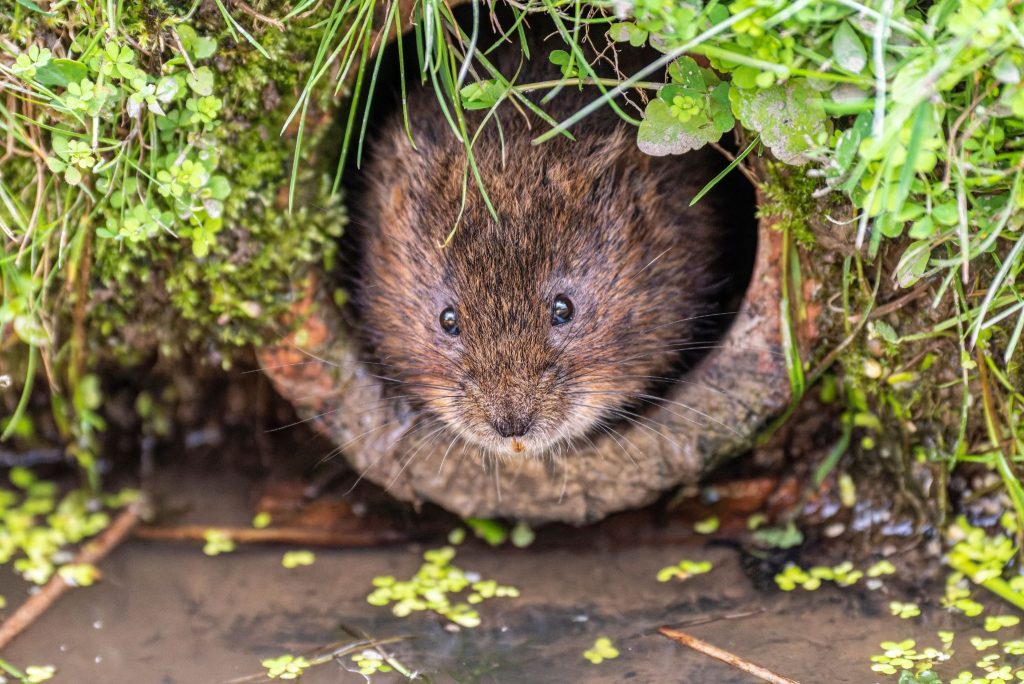
A few small trails in the grass may not seem like a major problem at first. However, those signs often point to a growing vole population beneath the surface. These rodents can damage lawns, gardens, flower beds, and young trees in a surprisingly short time. Many property owners focus on removing the animals they see, but overlook the conditions that attract them. Lasting results come from simultaneously addressing the infestation and preventing future activity.
How Do You Get Permanent Results From Vole Pest Control?
Many people want a quick solution when they discover vole activity. Unfortunately, short-term treatments rarely solve the problem for good. Voles often return when food, shelter, and nesting areas remain available. A long-term strategy focuses on removing current activity while making the property less attractive in the future.
Combine Control and Prevention
Removing voles is only one part of the process. The conditions that attracted them must also change. Thick vegetation, abundant food sources, and protected nesting areas encourage continued activity. Control methods work best when paired with habitat improvements. This combined approach reduces the chance of recurring infestations. Properties that receive ongoing attention often experience longer-lasting results.
Monitor the Property Regularly
Many infestations begin with small signs that are easy to overlook. Regular inspections help identify activity before serious damage occurs. Property owners should look for runways, plant damage, and gnaw marks around trees. Early detection makes treatment more effective and less costly. Monitoring also helps determine whether previous control efforts worked. Consistent observation supports long-term success.
How to Create Lasting Results From Vole Management
Effective vole control requires more than a short-term response. Properties that stay protected over time usually combine treatment with prevention. Understanding how voles behave helps guide smarter control decisions.
Know Why Voles Choose Certain Properties
Voles do not settle in an area by accident. They look for places that provide food, shelter, and protection from predators. Some landscapes naturally offer everything they need to survive and reproduce. Understanding these conditions helps property owners address the root of the problem.
Dense Vegetation Creates Ideal Shelter
Voles spend much of their time hidden from view. Tall grass, weeds, and thick ground cover help them move safely across a property. These areas also protect from predators and harsh weather. As vegetation becomes denser, vole activity often becomes harder to detect. Regular trimming improves visibility and reduces hiding spots. A cleaner landscape limits nesting opportunities.
Readily Available Food Supports Populations
Voles feed on grasses, roots, bulbs, bark, and many garden plants. Landscapes with abundant food encourage them to remain active. Young trees often face the greatest risk because voles chew bark near the base. Flower beds and vegetable gardens may also experience damage. Reducing easy food sources can make a property less appealing. This preventive step strengthens other control efforts.
Conduct a Thorough Inspection
Before choosing a treatment method, it helps to understand the extent of the problem. A detailed inspection reveals where voles travel, feed, and shelter. This information allows property owners to focus their efforts more effectively. Better information often leads to better results.
Look for Surface Runways
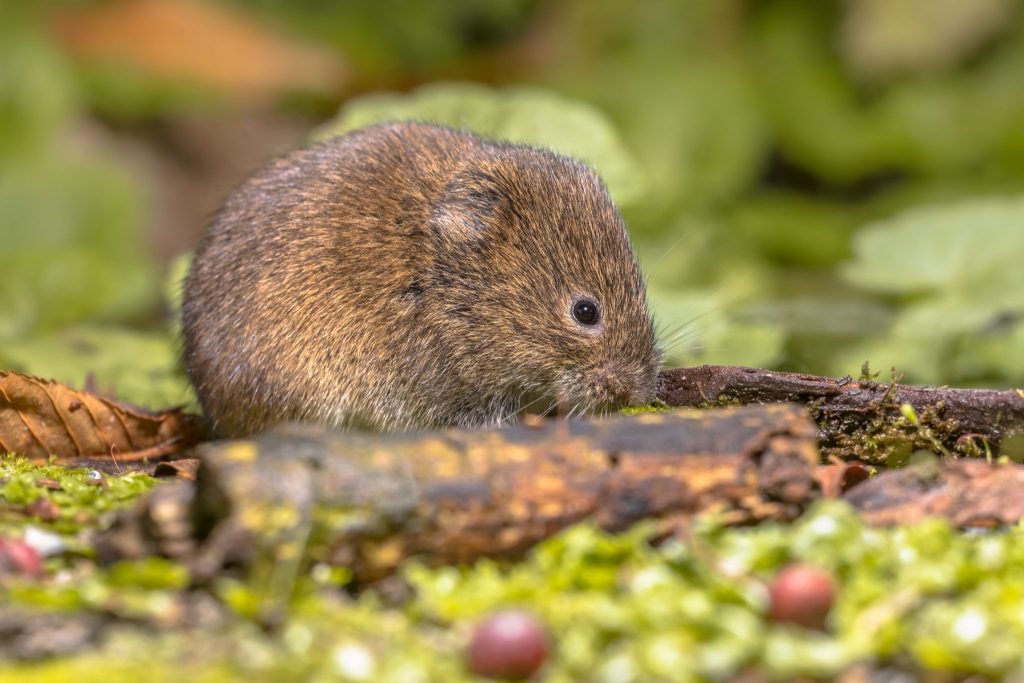
One of the most common signs of vole activity is a network of narrow pathways through grass. These runways connect feeding areas and nesting sites. Fresh pathways often indicate active movement throughout the property. Some trails may lead directly to damaged plants or trees. Following these routes helps identify high-activity areas. Treatment plans become more effective when they target active locations.
Identify Signs of Plant Damage
Voles leave behind several clues while feeding. Chewed bark, damaged roots, and missing vegetation often indicate activity. Young trees may show gnaw marks near ground level. Garden plants sometimes decline without an obvious explanation. Regular inspections help catch these problems early. Prompt action reduces the risk of extensive damage.
Reduce Conditions That Attract Voles
Many properties continue experiencing infestations because favorable conditions remain unchanged. Habitat modification removes the resources voles depend on. Small adjustments can make a significant difference over time. Prevention becomes easier when the environment works against vole activity.
Keep Grass and Ground Cover Managed
Overgrown areas provide excellent protection for voles. Tall grass allows them to travel without being easily detected. Thick ground cover creates additional shelter for nesting and feeding. Regular mowing helps expose active areas and reduces concealment. Clean, open spaces discourage movement throughout the property. Consistent maintenance supports long-term control.
Improve Landscape Maintenance Practices
Landscape design can influence rodent activity more than many people realize. Excessive mulch creates protected areas where voles may hide. Dense plantings can also make inspections difficult. Strategic pruning improves visibility and reduces shelter opportunities. Well-maintained landscape beds help limit nesting locations. These improvements complement other pest management efforts.
Avoid Common Vole Control Mistakes
Many recurring infestations result from incomplete solutions. Property owners sometimes focus on immediate results while overlooking long-term prevention. Understanding common mistakes helps improve treatment outcomes.
Relying Only on Temporary Solutions
Some control methods provide quick results but do not address the underlying problem. Activity may decrease briefly before returning. Food sources and shelter often remain available after treatment. Without habitat changes, new voles can move into the area. Long-term control requires more than a single response. Ongoing management remains an important part of the process.
Ignoring Early Warning Signs
Small signs of activity often seem harmless at first. A few runways or minor plant damage may not attract immediate attention. Unfortunately, vole populations can increase quickly under favorable conditions. Delayed action allows damage to spread throughout the landscape. Early intervention usually requires less effort and expense. Regular inspections help prevent larger infestations.
Use Targeted Vole Control Methods
Effective vole management requires more than random treatment placement. Control methods work best when guided by inspection findings. A focused approach helps reduce activity while avoiding unnecessary effort. Targeted strategies often produce more consistent results.
Treat Active Areas First
The most productive locations usually show clear signs of activity. Fresh runways and feeding damage indicate where voles spend their time. Concentrating treatments in these areas improves effectiveness. Random placement may miss important travel routes. Targeted efforts help maximize results. Property owners often see improvement sooner when treatments focus on active zones.
Follow Up After Initial Treatment
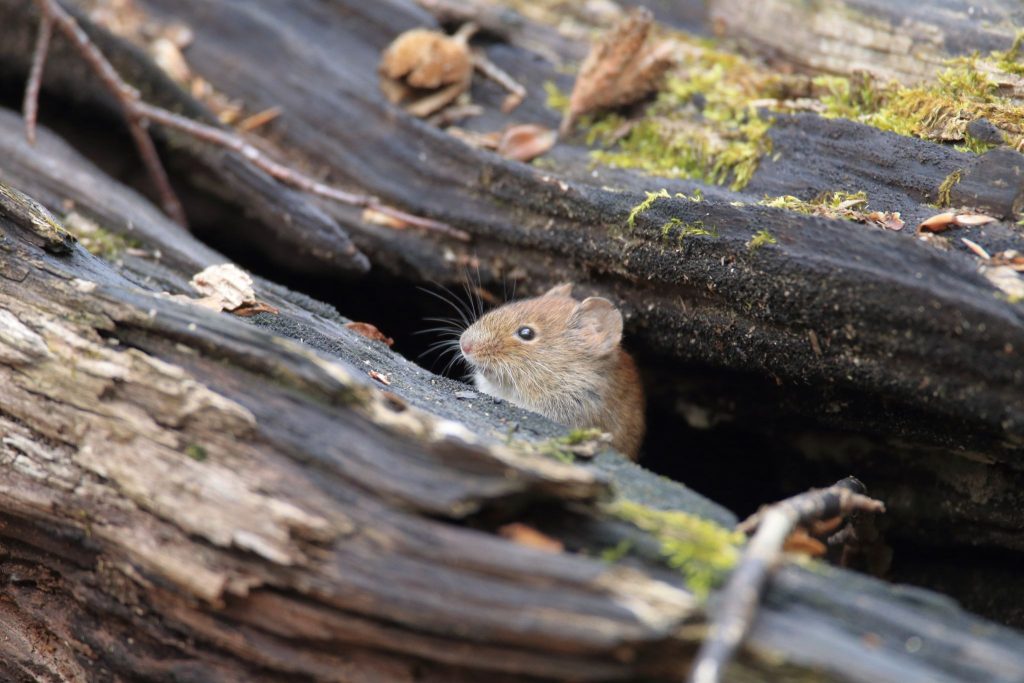
Control efforts should not stop after the first application. Follow-up inspections reveal whether activity continues. Fresh damage or newly formed runways may indicate that populations remain. Adjustments may be necessary as conditions change. Ongoing evaluation helps maintain progress. Continued monitoring supports long-term control.
Know the Difference Between Voles and Moles
Many people confuse voles and moles because both affect outdoor spaces. However, these animals behave very differently and require different solutions. Correct identification helps avoid wasted time and ineffective treatments. Understanding the difference improves decision-making.
How Vole Damage Appears
Voles primarily feed on plants and plant material. They create visible surface runways through grass and ground cover. Damage often appears on roots, bulbs, bark, and garden plants. Young trees may suffer serious injury from feeding activity. These signs typically point to a rodent problem rather than an insect issue.
How Mole Damage Differs
Moles spend most of their time underground searching for insects and earthworms. They create raised tunnels and soil mounds throughout lawns. Unlike voles, they rarely feed on plants. Many homeowners mistake mole activity for vole damage. Identifying the correct pest helps avoid ineffective control efforts. Different problems require different solutions.
Use Integrated Pest Management Strategies
Permanent results usually come from combining several approaches. Integrated pest management focuses on prevention, monitoring, habitat modification, and targeted treatments. This method addresses current infestations while reducing future risks. A balanced strategy often provides more sustainable results.
Combine Prevention With Monitoring
Prevention works best when paired with regular inspections. Monitoring helps identify new activity before damage becomes severe. Property owners can respond more quickly when they understand current conditions. Small problems become easier to manage when discovered early. Prevention and monitoring support each other throughout the year. Together, they create a stronger management plan.
Focus on Long-Term Property Conditions
Lasting success depends on maintaining an environment that discourages vole activity. Habitat improvements should continue even after treatments succeed. Landscape maintenance helps reduce future nesting opportunities. Ongoing attention prevents favorable conditions from returning. Consistent effort supports lasting results. Long-term management often proves more effective than repeated reactive treatments.
Work With Professionals for Lasting Results
Some infestations become difficult to manage without expert assistance. Professional vole control services provide detailed assessments and customized solutions. Specialists can identify factors that contribute to recurring activity. Their experience often helps property owners avoid common setbacks.
Benefit From Professional Inspections
Professionals recognize signs that many people miss. They can identify nesting areas, travel routes, and property conditions that support infestations. Detailed inspections help create more accurate treatment plans. Better information leads to better decisions. Property owners gain a clearer understanding of the problem. This knowledge supports more effective control efforts.
Build a Long-Term Prevention Plan
Professional services often focus on preventing future infestations, not only addressing current activity. Prevention plans typically include inspections, monitoring, and habitat recommendations. These strategies adapt as property conditions change. Ongoing support helps maintain progress over time. Long-term planning reduces the risk of recurring problems. A proactive approach protects landscapes more effectively.
Frequently Asked Questions About Vole Pest Control
Many property owners have similar concerns when dealing with vole activity and preventing future infestations. Understanding how these rodents behave can help you make more informed decisions about treatment and prevention.
What is the Fastest Way to Get Rid of Voles?
The fastest approach combines targeted treatments with habitat modification. Removing shelter and food sources helps reduce activity more quickly. Property inspections identify the most active areas for treatment. A focused strategy often produces better results than relying on a single method. Continued monitoring helps maintain progress. Long-term success depends on both prevention and removal.
Why Do Voles Keep Coming Back?
Voles return when favorable conditions remain available. Dense vegetation, food sources, and protected nesting areas attract new activity. Temporary treatments may remove existing populations without addressing the cause. Habitat improvements help reduce future infestations. Ongoing maintenance supports lasting control. Prevention remains an important part of long-term success.
Can Vole Damage Be Repaired?
Many lawns and gardens recover after vole activity stops. Grass often regrows once runways become inactive. Damaged plants may recover if intervention occurs early. Severe tree damage may require professional evaluation. Early action limits long-term losses. Regular inspections help prevent extensive damage.
Achieve Lasting Protection With Vole Pest Control
Voles rarely stop causing damage on their own, and waiting often gives them more time to spread. Properties stay healthier when problems are addressed early and managed consistently. Effective vole pest control goes beyond removal by reducing the conditions that attract future activity. Investing in a long-term strategy today can help protect your landscape, plants, and outdoor spaces for years to come.
Healthy landscapes start with informed decisions. Browse the SoCal Gophers LLC blog for professional guidance on vole control, gopher management, and long-term property protection.