
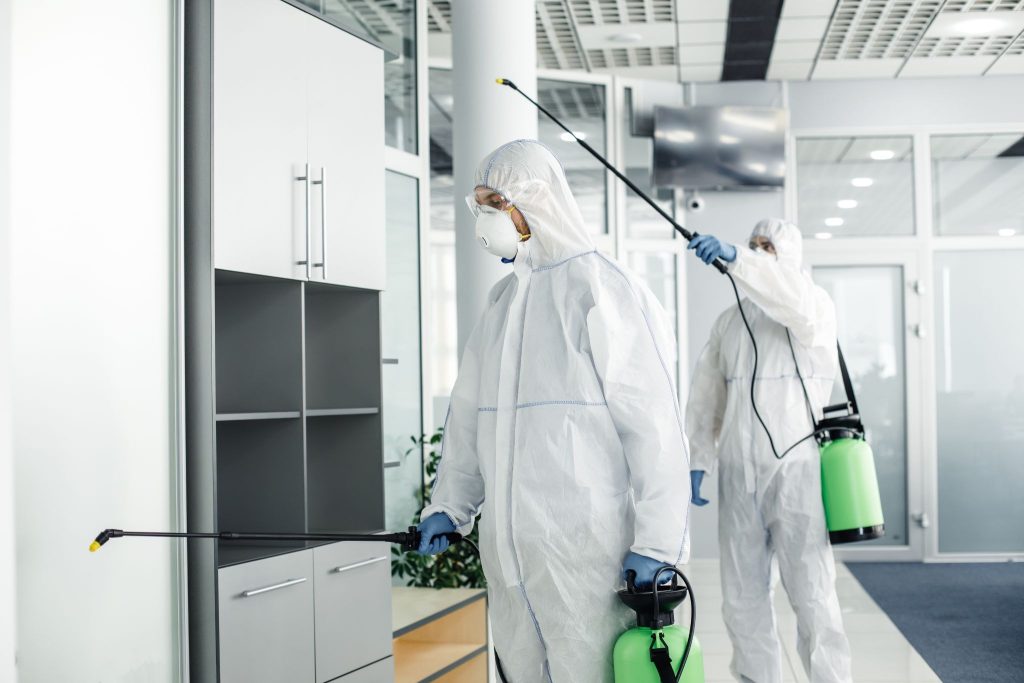
Business owners face pest risks that can disrupt operations and damage hard-earned reputations. A single pest sighting can affect customer trust and influence buying decisions. Daily activity, supply chains, and shared spaces increase exposure in commercial settings. These conditions demand more than basic treatments or occasional inspections. Commercial pest control services provide structured protection that aligns with business demands.
Commercial vs Residential Pest Control Defined
Commercial pest control focuses on managing pest risks in business environments with ongoing activity. Residential pest control addresses household concerns with simpler and less frequent treatments. Businesses require consistent monitoring due to higher exposure and stricter expectations. These differences shape how services are planned, delivered, and evaluated.
Scope of Pest Issues in Businesses
Commercial pest issues involve larger spaces and continuous movement, which allows infestations to spread quickly. Residential problems usually stay limited to specific rooms or contained areas. Businesses deal with deliveries, waste zones, and shared access points that attract pests. These conditions increase the chances of recurring infestations without proper management. Technicians must evaluate layouts, traffic flow, and operational patterns before treatment. A broader scope requires structured plans that include monitoring and prevention.
Property Types and Environmental Risks
Commercial properties include offices, warehouses, and food facilities with varying risk levels. Residential spaces remain more predictable in layout and daily use. Temperature shifts, food handling, and waste disposal affect pest behavior in business settings. These environmental factors create conditions that support pest survival and growth. Facilities with open access points are more exposed to external sources. Pest control strategies must adapt to each environment to remain effective.
Risk Levels and Operational Impact
Commercial pest issues can quickly disrupt operations and damage brand perception. Residential concerns mainly affect comfort and household hygiene. Businesses face financial loss, regulatory penalties, and customer dissatisfaction when pests appear. These risks require faster response times and consistent oversight. Professional services focus on minimizing disruptions while maintaining effective control. Reliable pest management supports business continuity and protects revenue streams.
Why Commercial Pest Control Requires a Strategy
Commercial pest control requires a structured approach that aligns with daily operations and compliance needs. Businesses must maintain clean environments that meet industry expectations at all times. Service providers design plans that combine prevention, monitoring, and targeted treatments. These strategies help reduce risks while supporting uninterrupted business activities.
Compliance With Health Regulations
Commercial pest control includes strict adherence to health and safety regulations across industries. Restaurants, healthcare facilities, and food processors are subject to routine inspections that require documentation. Pest activity can lead to violations that affect licenses and operational status. Service providers maintain detailed records that show treatments and corrective actions. These records support audit readiness and demonstrate compliance efforts. Consistent monitoring helps businesses meet regulatory expectations without disruption.
Brand Reputation and Customer Trust
Commercial pest control protects brand image by reducing visible pest activity in customer-facing areas. Customers often associate cleanliness with quality and reliability. A single incident can lead to negative reviews that spread quickly online. Businesses must maintain environments that reflect professionalism and care. Effective pest management helps preserve customer confidence and loyalty. Strong protection supports long-term relationships and repeat business.
Complex Layouts and High Activity
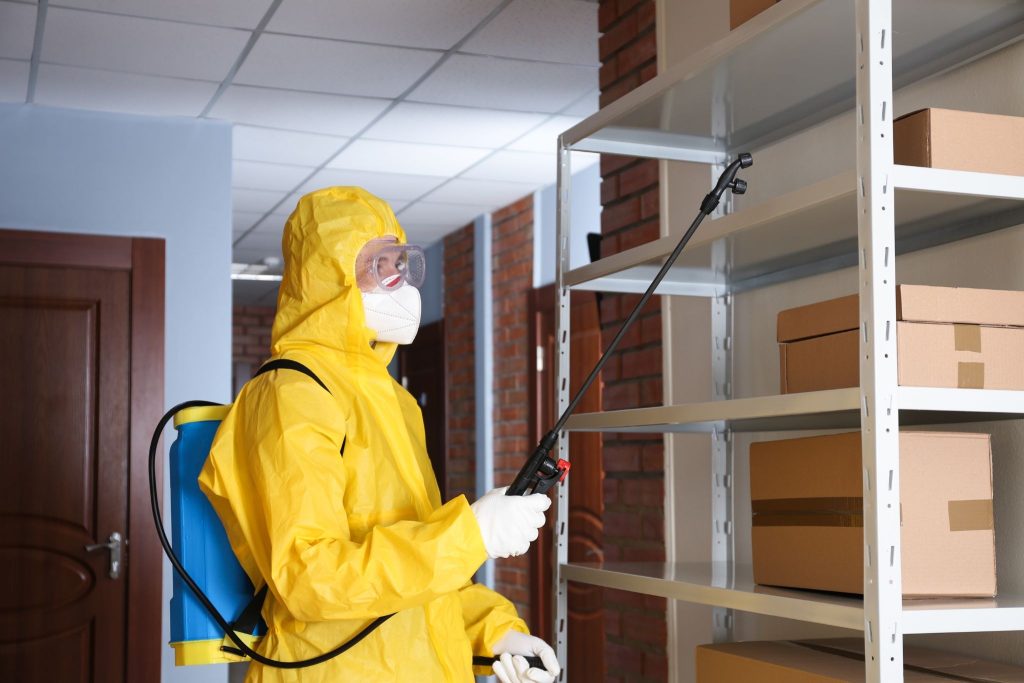
Commercial pest control addresses large facilities with multiple zones and constant movement. Offices, storage areas, and service spaces each present unique risks. High traffic increases the likelihood that pests will enter unnoticed. Deliveries and shipments can introduce infestations from external sources. Technicians must identify hidden areas and apply targeted treatments. A tailored approach keeps operations stable while reducing pest activity.
Residential Pest Control Priorities
Residential pest control focuses on maintaining safe and comfortable living spaces for families. Treatments aim to resolve issues without disrupting daily routines. Homes present fewer variables, which allows for simpler service plans. These conditions create a more flexible approach compared to business environments.
Comfort and Household Health Focus
Residential pest control prioritizes comfort and safety within living spaces. Common pests include ants, rodents, and seasonal insects that affect daily life. These issues can impact food storage and indoor hygiene. Service providers use targeted methods that take into account children and pets. Homeowners prefer solutions that balance safety with effectiveness. Maintaining comfort remains the primary goal of residential treatments.
Seasonal Patterns and Lower Exposure
Residential pest control often follows seasonal trends that influence pest activity. Warmer months bring increased insect presence, while colder seasons drive pests indoors. Homes have fewer entry points compared to commercial properties. This limitation reduces the spread of infestations when addressed quickly. Homeowners usually schedule treatments based on visible activity. Lower exposure allows for less frequent service compared to businesses.
Cost and Service Flexibility
Residential pest control offers flexible options that match different household budgets. Many homeowners choose one-time treatments for isolated problems. Others prefer recurring services for ongoing prevention. Costs remain lower due to smaller treatment areas and simpler needs. Service providers adjust plans based on homeowner preferences. Flexibility helps maintain effective pest control without long-term commitments.
Commercial Pest Control Service Types
Commercial pest control services include prevention, monitoring, and rapid response tailored to business environments. These services focus on long-term protection rather than short-term fixes. Businesses benefit from structured plans that address risks across different areas. This approach supports consistent results and operational stability.
Integrated Pest Management Systems
Commercial pest control often uses Integrated Pest Management, which combines prevention and targeted treatments. This IPM method focuses on identifying root causes such as food sources and entry points. Technicians monitor activity and adjust strategies based on findings. This system reduces reliance on chemicals while maintaining effectiveness. Businesses gain a balanced approach that supports safety and sustainability. Regular evaluations help maintain consistent control over time.
Routine Inspections and Monitoring Plans
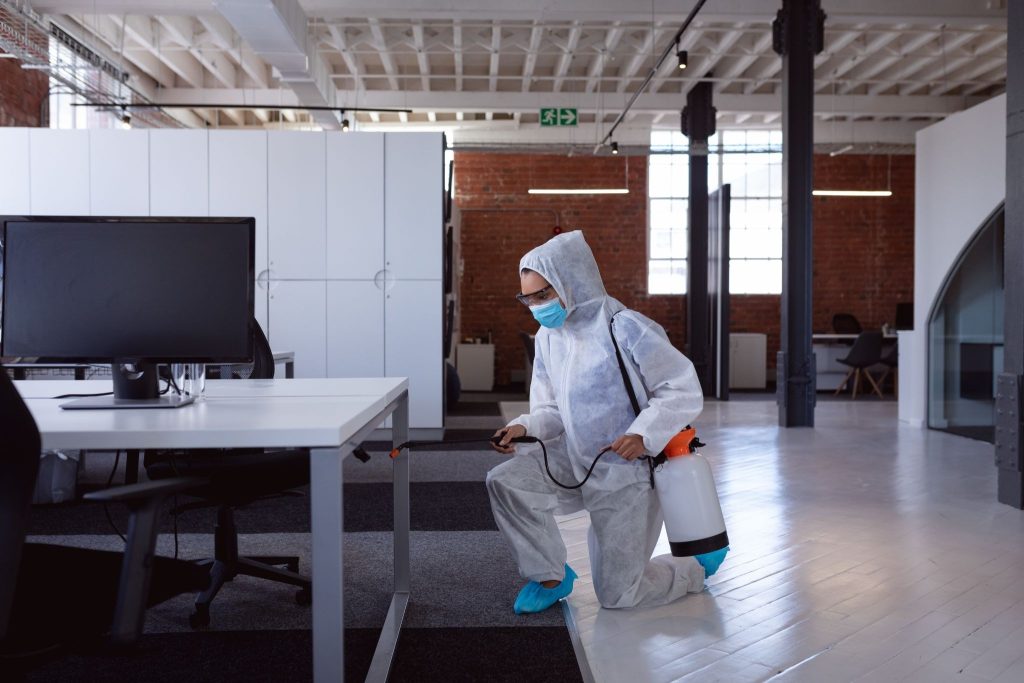
Commercial pest control includes scheduled inspections that detect issues before they escalate. Technicians check high-risk areas such as storage zones and entry points. Monitoring tools track pest activity and reveal patterns over time. This data helps guide treatment decisions and improve accuracy. Consistent inspections reduce the likelihood of unexpected infestations. Detailed reports support compliance and internal review processes.
Emergency Pest Response Services
Commercial pest control provides rapid response services for urgent infestations that threaten operations. Technicians act quickly to contain and resolve issues with minimal disruption. This response helps maintain business continuity and customer confidence. Follow-up visits address underlying causes and prevent recurrence. Businesses benefit from having a reliable partner during critical situations. Fast intervention protects both reputation and revenue.
Sanitation and Exclusion Methods
Commercial pest control includes sanitation and exclusion strategies that reduce pest attraction. Cleaning practices remove food and water sources that support infestations. Exclusion methods seal entry points and limit access to facilities. These steps create conditions that discourage pest activity over time. Businesses must maintain these practices consistently for the best results. Service providers often guide staff on proper procedures and standards.
Employee Habits That Attract Pests
Employee behavior directly affects pest activity within commercial environments and often goes unnoticed. Daily routines can create conditions that attract pests even with professional services in place. Businesses that address internal habits reduce recurring infestations and improve overall results. This awareness helps align staff actions with commercial pest control strategies.
Food Handling and Storage Practices
Employee habits around food storage can attract pests into shared spaces and work areas. Leaving food uncovered or storing items improperly creates easy access for insects and rodents. Break rooms and desks often become unnoticed sources of crumbs and spills. These conditions support pest activity even after professional treatments. Businesses should set clear policies for food storage and cleaning routines. Consistent habits help reduce attractants and support ongoing pest control efforts.
Waste Management and Cleaning Routines
Employee practices around waste disposal influence pest presence in commercial facilities. Overflowing trash bins and delayed disposal create ideal conditions for infestations. Cleaning routines that miss hidden areas allow pests to thrive unnoticed. These gaps reduce the effectiveness of professional pest control services. Businesses should maintain strict schedules for waste removal and sanitation. Clear accountability helps keep environments clean and less attractive to pests.
Access Points and Daily Operations
Employee actions can unintentionally create entry points for pests during daily operations. Leaving doors open or failing to secure loading docks increases exposure. Frequent movement in and out of facilities raises the risk of pest entry. These patterns allow pests to enter and settle in unnoticed areas. Businesses should establish consistent protocols for managing access points. Awareness and training help reduce unnecessary risks.
Internal Reporting and Staff Awareness
Employee awareness plays a key role in early pest detection and response. Staff members often notice signs of pest activity before management does. Delayed reporting can allow infestations to grow and spread. Businesses should encourage immediate communication when issues arise. Training programs can help employees recognize warning signs and respond appropriately. Strong internal communication supports faster and more effective pest control.
Technology in Commercial Pest Control
Commercial pest control now uses advanced technology to improve accuracy and efficiency in pest management. Modern systems provide real-time data that helps detect and track pest activity. Businesses benefit from greater visibility and faster response to potential issues. This technology-driven approach supports more precise and reliable pest control solutions.
Smart Monitoring Devices and Sensors
Technology in commercial pest control includes smart devices that track pest movement in real time. These devices detect activity in hidden areas where manual inspections may miss issues. Sensors send alerts when unusual patterns are detected, enabling quick action. This system reduces reliance on guesswork and improves detection accuracy. Businesses gain continuous monitoring without the need for constant manual checks. Smart devices support proactive pest management across large facilities.
Data-Driven Reporting and Insights
Technology in commercial pest control provides detailed reports that track activity and treatment outcomes. These reports help businesses understand patterns and identify recurring issues. Data insights support better decision-making and targeted interventions. Service providers use this information to adjust strategies based on real conditions. Businesses also benefit from clear documentation for compliance and audits. Accurate reporting improves transparency and accountability.
Remote Monitoring for Large Facilities
Technology in commercial pest control allows remote monitoring across warehouses and multi-site operations. Large facilities often struggle to maintain consistent oversight. Remote systems provide centralized visibility into pest activity across locations. This setup helps identify trends and address issues quickly. Businesses can manage multiple sites without relying solely on manual inspections. Remote monitoring improves efficiency and response time.
Digital Logs and Compliance Tracking
Technology in commercial pest control includes digital logs that document all treatments and findings. These records replace manual paperwork and improve accuracy. Businesses can access reports easily during inspections or audits. Digital tracking also helps maintain consistent service schedules. This system supports compliance with industry regulations and standards. Reliable documentation strengthens accountability and operational control.
Reinforce Your Commercial Pest Control System
Commercial pest control becomes more effective when it integrates into daily operations rather than staying reactive. Small oversights in routines or facility management can create conditions that support pest activity. Businesses that align staff behavior, professional services, and modern tools maintain better control over risks. A consistent system supports cleaner environments, protects brand reputation, and keeps operations running without disruption.
Stay informed with fresh, business-focused pest control insights on the SoCal Gophers LLC blog, built for smarter decisions.