
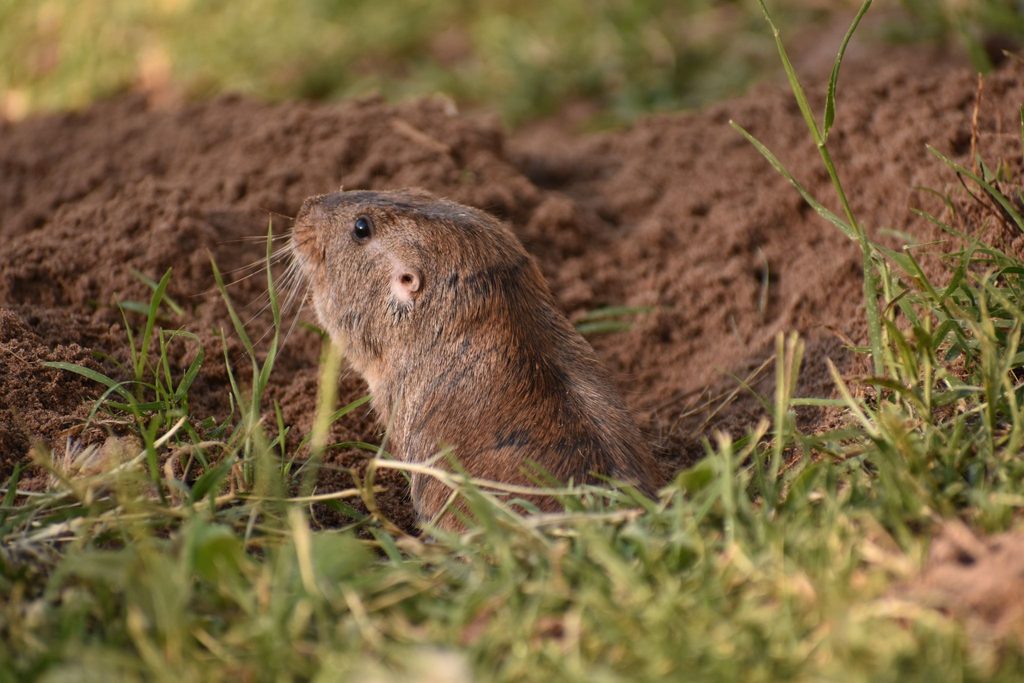
Gophers can quietly damage lawns, gardens, landscaping, and commercial grounds before anyone notices. Their underground activity often begins with small mounds that appear harmless at first. However, growing tunnel networks can weaken soil and damage valuable plants throughout the property. Property owners who recognize early warning signs can limit repairs and prevent infestations from spreading. Professional gopher control becomes especially valuable when recurring activity starts affecting safety, landscaping, or daily operations.
Why Recognizing Gopher Infestation Signs Matters
Recognizing gopher activity early helps property owners limit damage before underground tunnels spread. Gophers can harm lawns, gardens, plant roots, and irrigation systems while remaining largely hidden. Early warning signs also help prevent repeated landscaping repairs and unnecessary maintenance expenses. Commercial properties may face additional concerns when uneven ground affects customers, employees, or maintenance crews. Prompt identification allows pest control professionals to locate active areas and choose appropriate treatment methods. Acting on these signs quickly can protect landscaping, reduce property damage, and simplify gopher control.
When Gopher Removal Becomes Necessary
Gopher activity can become more disruptive as underground tunnels expand across maintained outdoor areas. Damage may reach vegetation, irrigation components, and frequently used sections of the property. Residential and commercial owners should watch for changes that indicate continued burrowing below the surface. Several warning signs can show when professional removal deserves serious consideration.
Fresh Gopher Activity Keeps Appearing
Early gopher activity often becomes noticeable through recurring changes across lawns and landscaped areas. Small disturbances can quickly develop into broader damage when underground tunneling continues. Residential and commercial properties may experience similar warning signs despite differences in landscape size. Recognizing persistent activity helps property owners determine when the problem requires professional attention.
New Soil Mounds Keep Returning
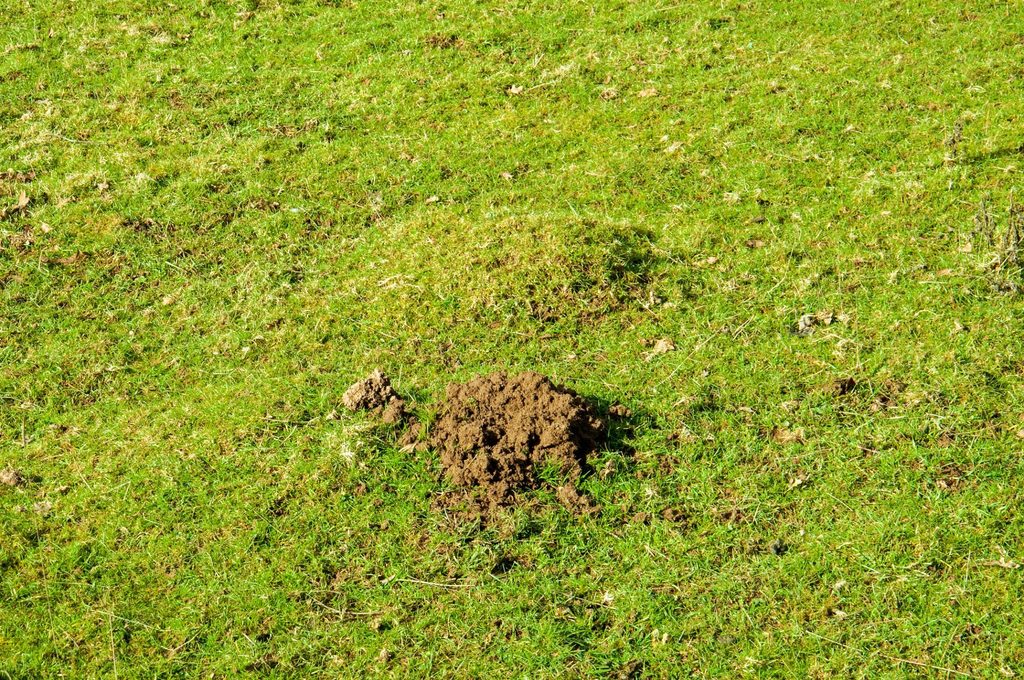
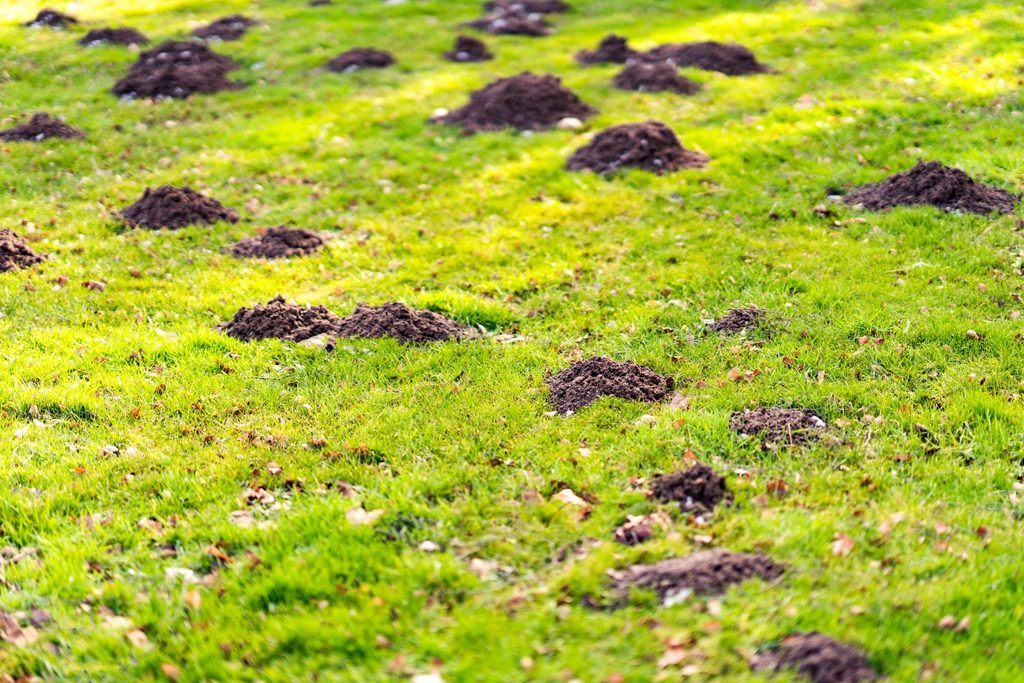
Fresh soil mounds often provide one of the strongest signs of active gophers. Gophers push excavated dirt upward as they extend tunnels toward new feeding areas. Their mounds commonly form irregular fan-shaped patterns instead of neat circular piles. New mounds appearing after cleanup suggest the animal remains active below the surface. Several fresh mounds across the property may indicate an expanding underground tunnel network. Continued mound formation deserves attention before surrounding landscaping suffers greater disruption.
Plugged Openings Appear Near Fresh Soil
Gophers commonly seal tunnel openings after pushing loose soil onto the surface. These plugs often appear beside fresh mounds or recently disturbed sections of landscaping. Closed openings can distinguish gopher activity from pests that leave visible burrow entrances. Several plugged holes appearing over time suggest ongoing excavation beneath the property. The pattern may spread toward lawns, gardens, planting beds, or landscaped commercial grounds. Repeatedly plugged openings are a good reason to have the affected areas professionally inspected.
Landscape Damage Continues to Spread
Gophers feed below ground where property owners cannot easily observe the developing damage. Their feeding can affect roots, bulbs, grasses, shrubs, and other valuable vegetation. Declining plants may become noticeable only after underground damage has already progressed. Repeated vegetation problems can indicate that active burrowing requires more than routine landscape care.
Healthy Plants Suddenly Wilt or Disappear
Healthy vegetation may decline quickly when gophers damage roots beneath the soil. Flowers, vegetables, and smaller ornamental plants can become especially vulnerable to underground feeding. Some plants may disappear when gophers pull stems and roots into their tunnels. Others continue wilting despite proper watering because damaged roots cannot absorb enough moisture. Replacing affected plants without addressing the pest often leads to repeated landscaping losses. Sudden plant decline across several areas strongly suggests an underground problem deserves closer attention.
Trees and Shrubs Begin Declining
Young trees and shrubs can suffer lasting damage when gophers feed around their roots. Underground gnawing may weaken these plants before obvious symptoms develop above the soil. Leaves can yellow, and branches may show reduced growth or unexpected dieback. Newly planted vegetation faces greater risk because its root system remains relatively limited. Repeated damage can eventually require expensive plant replacement across residential or commercial landscapes. Unexplained decline among otherwise healthy plantings may signal the need for targeted pest intervention.
Ground Conditions Become Increasingly Unstable
Expanding gopher tunnels can change ground conditions well beyond visible soil mounds. Underground passages create hollow areas that may weaken the surface as activity continues. These changes can affect lawns, walkways, landscaped entrances, and frequently maintained outdoor spaces. Increasing ground instability often indicates that burrowing has progressed beyond a minor nuisance.
Soil Feels Soft Underfoot
Soft ground can develop when gopher tunnels create hollow spaces beneath the surface. Certain sections may sink slightly when people walk, or equipment passes across them. Lawns can also become uneven when older tunnels collapse under repeated pressure. These changes deserve attention near walkways, entrances, recreation spaces, and outdoor work areas. Commercial properties may face additional concerns when customers or employees regularly cross affected ground. Persistent softness can indicate extensive tunneling that requires professional evaluation and control.
Sunken Areas Develop Across the Lawn
Older gopher tunnels may collapse and leave visible depressions across lawns and landscaped spaces. These sunken sections often become clearer after irrigation, rainfall, mowing, or regular foot traffic. Uneven surfaces can make lawn maintenance more difficult and interfere with normal property use. Depressions may also collect water and contribute to additional turf or soil problems. Repeated sinking suggests underground activity has already affected the property’s ground structure. Addressing the pest can help prevent additional tunneling while damaged areas receive proper repairs.
Underground Systems Develop Recurring Damage
Gopher activity can extend beyond visible landscaping and reach important underground property systems. Irrigation components often occupy the same soil where gophers create feeding tunnels and passages. Damage may appear as leaks, pressure changes, or unexplained moisture across maintained grounds. Recurring system problems near active burrows can indicate that pest activity requires professional attention.
Irrigation Problems Keep Coming Back
Gophers can damage irrigation tubing while tunneling through landscaped areas and searching for food. Damaged lines may create leaks, reduced pressure, or unexplained dry sections across the property. Water can escape underground without producing an obvious leak near the damaged component. Repeated repairs become frustrating when active gophers continue burrowing around the irrigation network. Commercial properties may face greater costs because their irrigation systems often cover larger landscaped areas. Persistent irrigation trouble alongside fresh gopher activity suggests that repairing pipes alone will not solve the problem.
Unexplained Water Pooling Appears
Unexpected wet areas can develop when damaged irrigation lines leak near active tunnels. Escaping water may follow underground passages before reaching the surface somewhere else. This movement can make the actual source difficult to identify during routine maintenance. Persistent moisture may also weaken surrounding soil and contribute to additional tunnel collapse. Pooling water without changes in weather or irrigation schedules deserves further investigation. Gopher activity near these areas may indicate that pest control should accompany necessary irrigation repairs.
Gopher Damage Returns After Every Cleanup
Repeated damage often provides stronger evidence of an active problem than one isolated mound. Gophers can maintain extensive tunnel networks that remain hidden beneath restored surface areas. Cleaning visible damage does not stop feeding, digging, or expansion underground. Recurring disturbances usually indicate that surface maintenance cannot address the source of the problem.
Fresh Mounds Reappear After Cleanup
Leveling soil mounds improves appearance but does not remove the gopher creating them. Fresh dirt may return when the animal continues to extend or repair underground passages. Repeated mound formation shows that cleanup addresses only the visible result of burrowing. Property owners may find themselves repeatedly restoring the same lawn or planting areas. Businesses can also face increasing maintenance costs when crews continually repair disturbed landscaped sections. Consistent mound activity indicates that targeted pest control may provide a more practical solution.
Damage Moves Into New Areas
Gopher activity may gradually spread from one section of landscaping into surrounding areas. New mounds can appear farther away as feeding tunnels extend toward additional vegetation. Plants in separate beds may also begin declining after previously unaffected areas become accessible. Spreading damage suggests that the underground network has grown beyond its original location. Larger residential lots and commercial properties can become difficult to monitor as activity expands. New damage appearing across multiple sections signals that delaying treatment may increase future repair needs.
Burrowing Starts Creating Safety Concerns
Gopher tunnels can create practical hazards when activity reaches frequently used outdoor areas. Uneven soil becomes more concerning near sidewalks, yards, entrances, parking areas, and workspaces. Regular foot traffic can place additional pressure on ground weakened by underground passages. Developing safety concerns often signal that continued burrowing should receive faster professional attention.
Walking Areas Become Uneven
Tunnel systems can weaken soil near pathways and other regularly traveled outdoor areas. Ground may settle unexpectedly when underground passages collapse beneath repeated pressure. Small depressions can create awkward walking surfaces for residents, visitors, employees, or customers. Rainfall and irrigation may worsen soil movement around existing tunnels and weakened sections. Commercial property managers may face additional concerns when unstable areas develop near customer-facing spaces. Recurring ground changes near walking areas should prompt an inspection before tunneling spreads farther.
Routine Landscape Work Becomes Difficult
Gopher damage can interfere with mowing, trimming, irrigation work, and regular landscape maintenance. Equipment may bounce or catch when lawns develop mounds, depressions, and unstable sections. Maintenance crews may spend extra time leveling soil before completing ordinary landscaping tasks. Repeated repairs can increase labor costs without stopping the animal responsible for the disruption. Homeowners may feel the same frustration when routine yard care becomes increasingly time-consuming. Growing maintenance problems can indicate that professional control offers better value than continued surface repairs.
DIY Gopher Treatments Stop Producing Results
Basic control methods may seem reasonable when gopher activity first appears on a property. However, established tunnel systems can make temporary deterrents difficult to evaluate accurately. Gophers may relocate their activity while remaining within the same underground network. Repeated treatment failures often indicate that a more targeted control strategy has become necessary.
Repellents Only Provide Temporary Relief
Repellents may appear effective when visible activity decreases shortly after an application. Reduced surface activity does not necessarily mean the gopher has left the property. The animal may move toward another section of its existing underground network. Fresh mounds can later appear beyond the area where the original treatment occurred. Repeated applications can consume time and money while underground feeding continues. Temporary results followed by renewed activity suggest that professional control may offer a more dependable approach.
Home Remedies Repeatedly Fail
Many home remedies disturb gophers without confirming that the animals have actually left. Complex underground tunnels also make treatment results difficult to judge from surface conditions alone. Several quiet days may pass before new soil mounds reveal continued activity. Repeated failures give gophers additional time to damage roots and expand their tunnels. Some methods may also create unnecessary problems for landscaping, irrigation components, pets, or wildlife. Recurring activity after several control attempts strongly indicates that professional intervention is worth considering.
How Professional Control Works Across Properties
Residential and commercial properties face similar gopher problems, although their landscapes and service needs often differ. Homeowners may need protection for lawns, gardens, irrigation lines, trees, and frequently used outdoor areas. Commercial properties often require broader inspections because larger grounds can support extensive tunnel networks. Professional technicians assess active tunnels, landscape conditions, property use, and potential risks before selecting suitable control methods. Targeted service limits unnecessary treatment while addressing the areas where gophers continue feeding and burrowing. Professional control also supports ongoing monitoring, helping both property types reduce recurring damage and costly landscape repairs.
Protect Your Grounds With Gopher Removal
Persistent gopher activity can turn manageable damage into costly property repairs. Waiting gives active burrows more time to reach plants, irrigation lines, and heavily used grounds. Professional removal addresses the source instead of repeatedly repairing what appears above ground. Prompt service also helps residential and commercial properties maintain safer, healthier, and more functional outdoor spaces. Schedule gopher removal when warning signs persist to stop underground damage from spreading.
Want practical advice for protecting your property from gophers? Visit the SoCal Gophers LLC blog for helpful pest control tips and expert insights.