
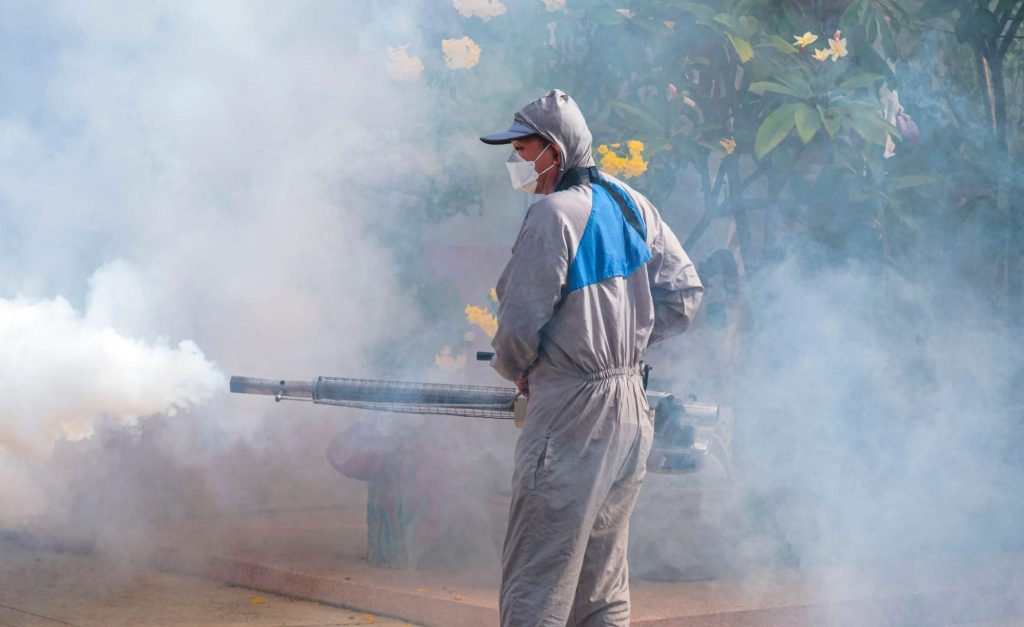
Mosquitoes can quickly turn a comfortable backyard or outdoor business space into an unpleasant environment. Their constant biting disrupts outdoor activities and creates concerns about mosquito-borne diseases. Unfortunately, these pests often multiply unnoticed around properties with standing water, vegetation, and shaded areas. Effective mosquito management requires more than occasional spraying or temporary relief from insect repellents. A combination of preventive measures, targeted treatments, and professional services offers better long-term protection.
Understanding Mosquito Problems on Your Property
Mosquito infestations often begin in overlooked areas where moisture collects, and breeding conditions remain favorable. Warm temperatures and sheltered resting areas allow mosquito populations to grow throughout the warmer months. Understanding their behavior helps property owners identify problem areas before mosquito activity becomes difficult to manage. Effective prevention starts with identifying breeding sites, common attractants, and the conditions that support mosquito development.
Common Mosquito Breeding Areas
Mosquitoes lay eggs in standing water, so drainage problems often lead to infestations. Clogged gutters, flowerpot saucers, discarded containers, and uncovered rain barrels can support mosquito development. Even small amounts of stagnant water may provide suitable conditions for certain mosquito species. Decorative ponds and poorly maintained water features can also attract mosquitoes that lay eggs. Property owners should regularly inspect outdoor spaces, especially after rainfall or irrigation. Removing unnecessary water sources interrupts the breeding cycle before new mosquitoes reach adulthood.
Why Mosquitoes Gather Around Buildings
Mosquitoes seek shaded, humid environments where they can rest during unfavorable weather conditions. Dense landscaping, overgrown shrubs, and vegetation near buildings provide convenient hiding places. Outdoor lighting may attract other insects, although it does not consistently attract mosquitoes. People and animals also attract biting mosquitoes through body heat, carbon dioxide, and skin odors. Businesses with outdoor seating may experience increased mosquito encounters during peak biting periods. Identifying resting areas helps determine where targeted mosquito treatments will have the greatest impact.
What Are the Best Mosquito Control Solutions?
The best mosquito control methods address breeding sites, reduce existing populations, and prevent recurring infestations. Different approaches work depending on property conditions, mosquito activity, and problem severity. Understanding how each solution works helps identify the most effective options for lasting mosquito protection.
Standing Water Removal and Breeding Prevention
Removing breeding sites remains one of the most practical approaches to reducing mosquito populations. Many mosquito species complete their early development in water before emerging as flying adults. Routine property maintenance can interrupt this process without relying heavily on chemical treatments. Homeowners and businesses should prioritize drainage improvements and consistent inspections throughout mosquito season.
Remove Water From Containers and Yard Features
Empty buckets, watering cans, and unused containers whenever they collect rainwater or irrigation runoff. Store movable items upside down or under cover to prevent additional water accumulation. Replace water in birdbaths at least weekly and scrub surfaces to remove mosquito eggs. Keep swimming pools properly maintained and circulating, including during periods of limited use. Cover stored tires and other objects that can trap water after storms. Regularly check these areas to reduce opportunities for mosquitoes to reproduce near occupied spaces.
Improve Drainage Around the Property
Poor drainage lets rainwater and irrigation runoff collect in low-lying areas. Inspect downspouts, drainage channels, and landscaped depressions for water that remains after rainfall. Clear blocked gutters and repair damaged drainage systems that repeatedly create standing pools. Adjust irrigation schedules to prevent oversaturation around lawns, gardens, and building foundations. Properties with persistent drainage problems may benefit from grading improvements or professional drainage services. Correcting these conditions addresses mosquito breeding sources while protecting surrounding structures from moisture problems.
Maintain Ponds and Decorative Water Features
Decorative water features require consistent maintenance to prevent mosquito larvae from developing. Circulating pumps and fountains can discourage breeding, although moving water alone cannot guarantee prevention. Remove accumulated debris and inspect shallow edges where stagnant pockets may develop. In certain managed ponds, suitable mosquito-eating fish may help when local regulations permit them. Avoid introducing nonnative fish into natural waterways or connected drainage systems. When you can’t remove water, approved biological larvicides may provide additional protection.
Targeted Mosquito Treatments for Lasting Control
Mosquito treatments target different life stages, from aquatic larvae to flying adults. The right method depends on breeding conditions, infestation severity, and how the property is used. Some products provide temporary relief, while others help interrupt mosquito reproduction over time. A successful treatment strategy combines targeted applications with ongoing habitat management.
Apply Larvicides to Standing Water
Larvicides target immature mosquitoes before they emerge from water and begin biting. Products containing Bacillus thuringiensis israelensis (Bti) are commonly used for mosquito larvae. Bti works when susceptible larvae consume the bacteria’s naturally occurring insecticidal proteins. Approved formulations may suit certain ponds, drainage structures, and water-holding areas that cannot be emptied. Property owners must follow product labels and confirm that each treatment suits its intended location. Larvicides work best alongside water removal, not as a replacement for routine breeding-site inspections.
Consider Targeted Adult Mosquito Sprays
Adulticides reduce mosquito populations when applied properly to areas where mosquitoes rest or fly. Professional technicians may treat shaded vegetation and other locations with documented mosquito activity. Some programs use residual barrier sprays, while others involve short-duration space treatments. Results depend on the product, application conditions, mosquito species, and surrounding breeding activity. Treatments may require repetition because newly emerging mosquitoes can restore local populations. Follow label restrictions and protect pollinators, aquatic habitats, and neighboring properties from unnecessary exposure.
Choose Professional Barrier Treatments
Barrier treatments typically involve applying approved insecticides to selected outdoor resting areas. Technicians identify vegetation and sheltered locations where mosquitoes commonly gather between feeding periods. Residual products can remain effective for varying periods depending on weather and surface conditions. Heavy rainfall, vegetation growth, and untreated breeding sites may reduce overall treatment performance. Professionals should explain treatment intervals, reentry instructions, and precautions involving pets or sensitive landscaping. Combining barrier applications with breeding-site management generally provides more dependable results than spraying alone.
Natural Methods for Reducing Mosquito Activity
Nonchemical mosquito management offers useful options for properties that want to limit pesticide use. These approaches generally focus on habitat modification, physical barriers, and personal protection. However, natural products do not automatically provide reliable or long-lasting mosquito control. Understanding their limitations helps property owners avoid spending money on ineffective solutions.
Manage Landscaping and Dense Vegetation
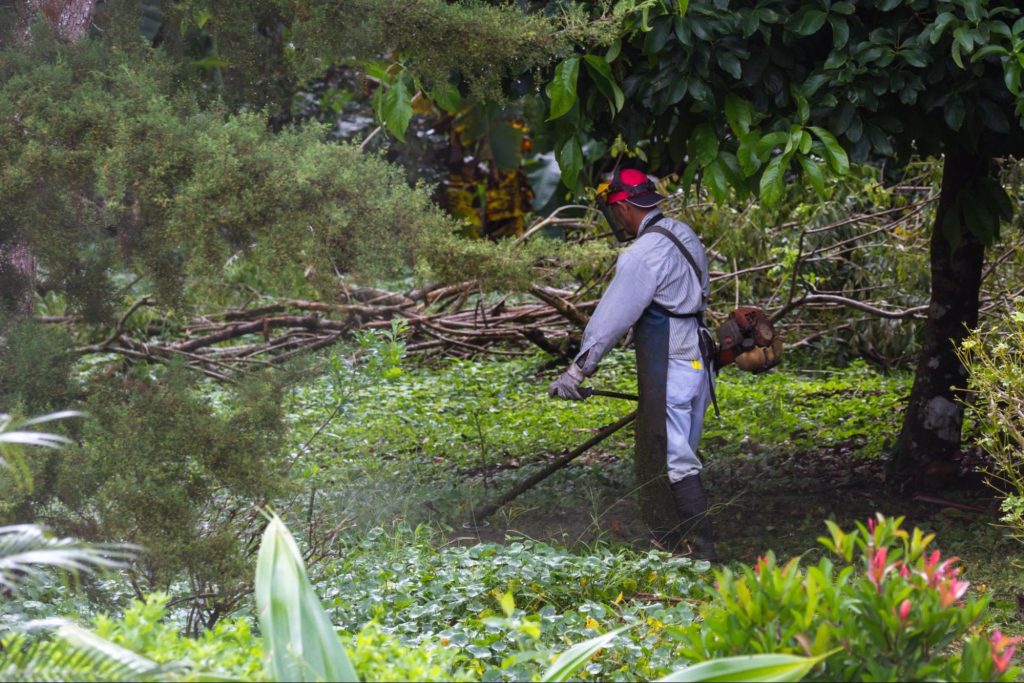
Overgrown vegetation creates cool, sheltered environments where adult mosquitoes can rest during daylight hours. Trim dense shrubs and remove unnecessary plant debris around patios, entrances, and seating areas. Maintain lawns regularly and improve airflow through crowded landscape beds. Avoid excessive watering that keeps shaded soil and surrounding surfaces consistently damp. Landscaping changes may reduce suitable resting locations but will not eliminate mosquitoes on their own. Pair vegetation management with drainage improvements and other proven mosquito reduction measures.
Understand Plant-Based Mosquito Repellents
Certain botanical ingredients can repel mosquitoes when formulated into suitable personal repellent products. Some effective repellents contain lemon eucalyptus oil and its active ingredient, PMD. However, planting aromatic herbs around a patio does not provide comparable protection. Citronella candles may offer limited localized relief, but their performance varies with outdoor conditions. Essential oils also differ considerably in effectiveness, duration, and potential skin irritation. Choose EPA-registered repellents when dependable personal protection matters, and follow their application instructions.
Encourage Beneficial Mosquito Predators
Dragonflies, birds, bats, and certain aquatic organisms consume mosquitoes during different life stages. Supporting healthy outdoor habitats can contribute to broader ecological balance around a property. However, natural predators rarely provide sufficient control during significant mosquito infestations. Bat houses alone are not a dependable mosquito management strategy. Avoid releasing unfamiliar predator species, as introductions may harm existing ecosystems. Focus on habitat maintenance and proven prevention methods rather than expecting wildlife to eliminate mosquitoes.
Outdoor Mosquito Protection and Prevention
Mosquito management should also address the spaces where people regularly spend time outdoors. Patios, restaurant terraces, entrances, and recreational areas often require additional protective measures. Physical barriers and personal repellents can reduce exposure to bites, while broader treatments target mosquito populations. Practical solutions help keep spaces comfortable without disrupting normal use of the property.
Install Screens and Physical Barriers
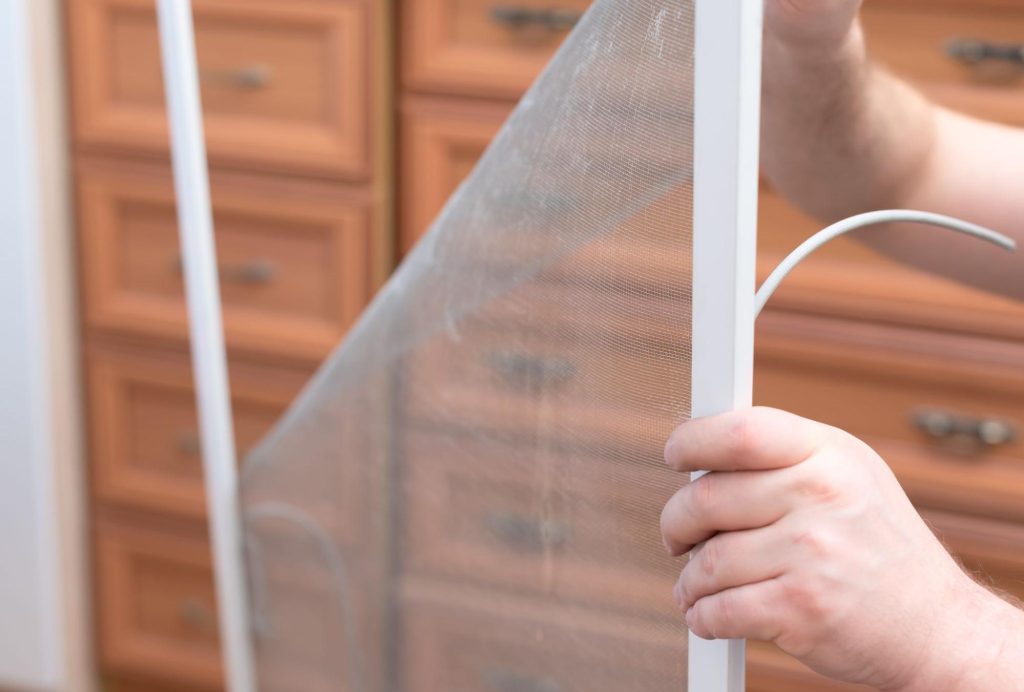
Properly installed and maintained window and door screens keep mosquitoes out of buildings. Inspect screening materials for tears, loose frames, and openings around frequently used entrances. Screened patios and enclosed outdoor seating areas can provide additional protection during mosquito season. Businesses in busy locations may benefit from self-closing doors and well-maintained entry barriers. Fans can also make biting more difficult because mosquitoes struggle against strong airflow. Place fans near seating areas, keeping cords and equipment safely away from walkways.
Use Reliable Personal Mosquito Repellents
Personal repellents provide an extra layer of defense when people spend time in mosquito-prone environments. EPA-registered products containing DEET, picaridin, IR3535, or approved oil of lemon eucalyptus formulations offer established options. Protection duration varies by active ingredient, concentration, and environmental conditions. Apply repellents as directed on the label, especially when treating children or sensitive skin. Permethrin-treated clothing can provide additional protection, but never apply permethrin products intended for clothing directly to skin. For outdoor workers, consistent access to repellent can help prevent mosquito bites at work.
Professional Mosquito Control and Treatment Plans
Professional mosquito control services can help manage persistent infestations across residential and commercial properties. Trained technicians evaluate breeding conditions, resting areas, and the extent of mosquito activity. Recommendations may include inspections, habitat corrections, larvicides, and targeted adult mosquito treatments. Choosing an experienced provider improves treatment planning and supports responsible pesticide use.
Know What a Mosquito Inspection Includes
A thorough mosquito inspection examines both active mosquito activity and conditions supporting future breeding. Technicians check drainage areas, vegetation, water features, and frequently occupied outdoor spaces. They may also identify neighboring conditions contributing to mosquito movement across property boundaries. Inspection findings help distinguish maintenance needs from those requiring chemical treatment. Property owners should receive clear recommendations explaining treatment locations and expected limitations. Regular reassessments allow service providers to adjust their approach as seasonal conditions change.
Compare Residential Mosquito Services
Residential mosquito programs commonly focus on yards, gardens, patios, and children’s outdoor activity areas. Providers may offer one-time treatments or recurring visits during periods of increased mosquito activity. Ask which breeding sites they inspect and how they address water that cannot be drained. Discuss treatment precautions involving pets, pollinators, edible plants, and nearby aquatic environments. Compare service plans based on inspection quality, treatment methods, and realistic performance expectations. A comprehensive program should address mosquito development rather than relying exclusively on repeated spraying.
Evaluate Commercial Mosquito Management
Commercial properties often require mosquito management that accommodates employees, customers, and daily operations. Restaurants, hotels, offices, and recreational facilities may have different outdoor exposure patterns. Service providers should assess customer areas, drainage infrastructure, landscaping, and operational schedules. Treatment planning should account for public access, pesticide restrictions, and appropriate reentry periods. Businesses should also request service documentation and clear communication about scheduled applications. Consistent monitoring helps identify recurring problems before they interfere with outdoor activities.
Long-Term Mosquito Prevention and Maintenance
Mosquito populations change with rainfall, temperature, landscaping conditions, and nearby breeding habitats. As a result, a single treatment rarely provides lasting protection for an entire season. An ongoing prevention plan combines routine inspections with appropriate control measures. Property owners can improve results through consistent maintenance and timely professional support.
Schedule Seasonal Property Inspections
Start mosquito inspections before warm, wet conditions create ideal breeding conditions. Check drainage systems, outdoor containers, vegetation, and water features for developing problems. Increase inspection frequency following heavy rainfall or periods of unusually high mosquito activity. Businesses should assign responsibility for documenting maintenance findings and correcting recurring breeding conditions. Homeowners can incorporate mosquito checks into regular lawn care and outdoor cleaning routines. Seasonal monitoring makes prevention easier and reduces reliance on emergency treatments.
Track Treatment Results and Mosquito Activity
Evaluating mosquito control requires more than checking for immediate relief after treatment. Record recurring breeding sites, observed mosquito activity, and complaints from outdoor space users. Professional monitoring may include traps or other methods for assessing local mosquito populations. Compare observations over time while accounting for rainfall and changing seasonal conditions. Persistent activity may indicate untreated breeding areas or mosquitoes arriving from neighboring properties. Use these findings to refine maintenance schedules and discuss adjustments with your service provider.
Combine Control Methods for Better Results
Integrated mosquito management uses multiple methods to address different sources of infestation. Water removal limits breeding, while larvicides target larvae in unavoidable standing water. Targeted adult treatments can reduce biting populations when conditions justify their use. Screens, fans, and personal repellents protect while population management measures take effect. Each method addresses a different part of the problem, reducing reliance on any single treatment. Coordinating these measures creates a more practical and sustainable mosquito management program.
Get Ahead of Mosquito Problems With Proven Solutions
Mosquito problems rarely disappear without addressing the conditions that allow them to thrive. Delaying action gives these pests more opportunities to breed and disrupt outdoor spaces. Professional mosquito control services can identify hidden breeding areas and recommend treatments suited to your property. Address mosquito activity early to protect your home or business and keep outdoor spaces comfortable all season.
Stay informed about effective pest prevention and property protection. Visit the SoCal Gophers LLC blog for practical tips, expert insights, and helpful pest control advice.