
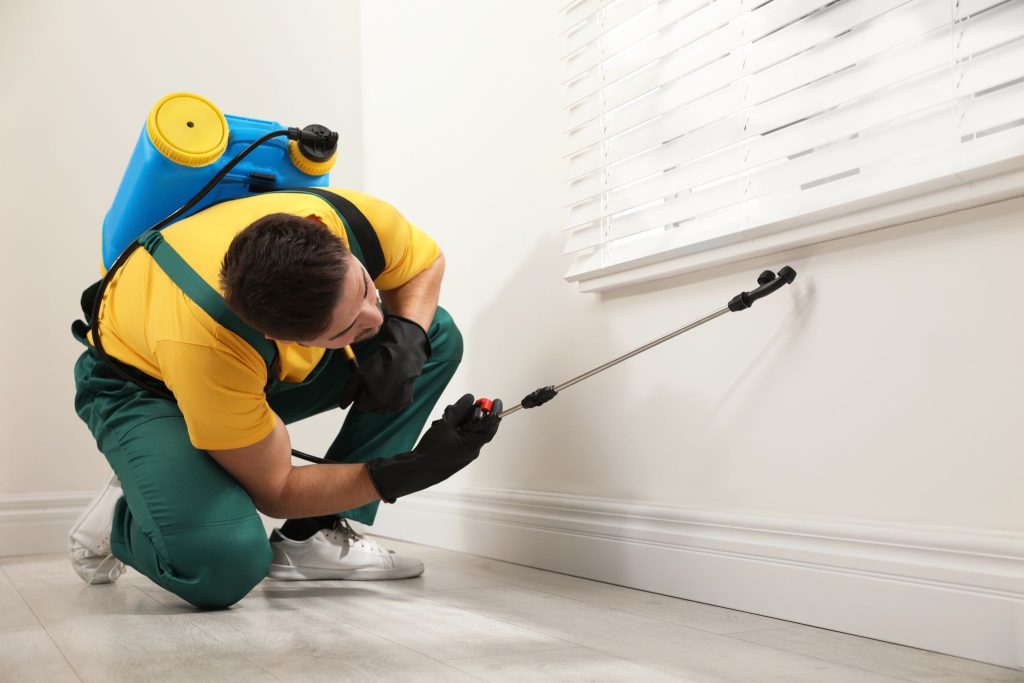
Pests can quickly turn a comfortable property into a stressful environment. Rodents, termites, ants, and cockroaches often spread bacteria and cause structural damage over time. Many infestations stay hidden until property owners notice clear signs of damage or contamination. Professional pest control service providers remove active infestations and help prevent future problems. Reliable pest management also helps protect health, comfort, and property value year-round.
What Pest Control Services Do
Pest control services inspect properties, remove infestations, and prevent pests from returning. These services help both homeowners and business owners manage pest-related risks more effectively. Professional technicians use targeted treatments based on the type of pest and infestation level. This professional support helps protect buildings, indoor air quality, and daily comfort.
Why Professional Pest Control Matters
Professional pest control treats the source of an infestation rather than just visible pests. Many store-bought products give temporary relief but fail to stop hidden colonies from growing. Licensed technicians understand pest behavior, nesting areas, and common entry points around properties. They use treatment methods designed for safer and more accurate pest removal. This expert approach helps reduce health risks caused by bacteria, allergens, and contaminated surfaces. Property owners also avoid the higher repair costs associated with long-term pest damage.
Common Pests Found Indoors
Many pests enter buildings in search of food, moisture, and shelter. Ants often appear near kitchens, sinks, and food storage areas inside homes and businesses. Rodents usually hide inside attics, garages, basements, and wall spaces after finding small openings. Termites quietly damage wooden structures and often go unnoticed for months. Cockroaches thrive in damp areas and can quickly spread bacteria across surfaces. This infestation activity can affect comfort, cleanliness, and property conditions over time.
Problems Caused by Pest Infestations
Pest infestations create health, sanitation, and structural problems inside properties. Rodents chew wires and insulation, which may increase fire and repair risks. Likewise, termites gradually weaken wooden supports, flooring systems, and wall structures. Commercial properties may also lose customer trust after visible pest activity appears indoors. This operational disruption can affect employees, daily operations, and overall business reputation. Professional pest control helps reduce these risks before infestations spread further.
What Pest Control Services Really Offer
Many property owners only notice pests after damage becomes visible inside their homes or businesses. Rodents, insects, and termites often spread quietly through hidden spaces before creating larger problems. Professional pest control services offer more than temporary treatments; they focus on removal, prevention, and long-term protection. The following are the services, methods, and solutions pest control professionals commonly provide.
Home Protection and Prevention Plans
Residential treatments focus on removing infestations while reducing the chance of future pest activity indoors. Professional technicians carefully inspect indoor and outdoor areas before selecting the appropriate treatment methods for the property. This customized approach helps improve treatment accuracy while providing safer, longer-lasting protection for households.
Indoor Pest Treatment Methods
Indoor treatments target pests hiding inside walls, flooring gaps, attics, basements, and storage spaces. Technicians inspect kitchens and moisture-prone areas because pests often gather near food and water sources. After identifying infestation zones, professionals strategically apply treatments around cracks, nesting sites, and entry points. Some providers also use bait systems that gradually remove hidden colonies without causing major indoor disruption. Follow-up inspections help technicians confirm that infestation levels continue declining over time.
Outdoor Pest Prevention Services
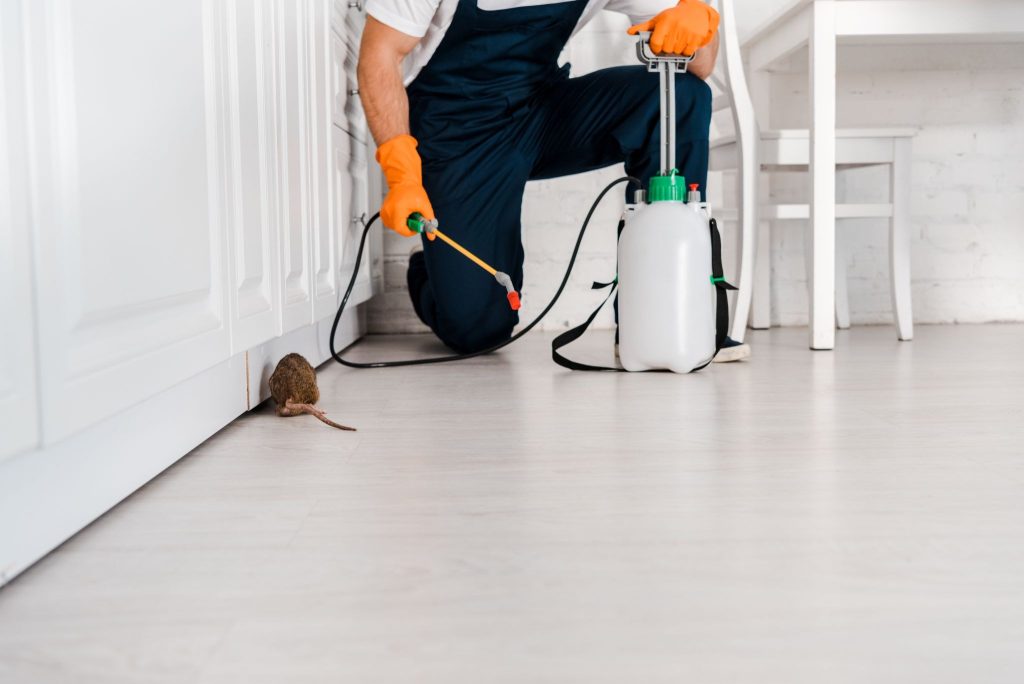
Outdoor prevention methods help stop pests from entering buildings through surrounding exterior areas and structural gaps. Technicians inspect foundations, siding, landscaping, drainage systems, and moisture-prone areas around the perimeter of the property. Standing water often attracts mosquitoes, ants, and termites searching for reliable moisture sources outdoors. Barrier applications around foundations also discourage crawling insects from repeatedly entering indoor living spaces. This preventive approach helps reduce the risk of recurring infestations throughout the changing seasons.
Family and Pet Safety Measures
Professional exterminators prioritize household safety during treatment visits involving children, pets, and sensitive occupants. Technicians explain treatment procedures, product usage, and temporary precautions before beginning work inside the home. Many providers now use lower-toxicity products designed specifically for occupied residential environments and daily household activities. Technicians carefully apply treatments to reduce unnecessary exposure in commonly used indoor living areas. Clear communication also allows residents to prepare their homes properly before scheduled visits begin.
Business Property Protection Plans
Commercial properties require consistent pest management because pests can quickly affect operations, sanitation, and customer confidence. Different industries face different risks depending on inventory, building layout, and daily activity levels inside the property. This organized approach helps businesses maintain cleaner environments while reducing year-round interruptions from infestations.
Pest Control for Food Businesses
Restaurants and food facilities attract pests because food particles, moisture, and waste materials are readily available. Cockroaches, flies, rodents, and ants often invade kitchens, storage rooms, and disposal areas in search of food. Technicians carefully inspect hidden spaces because pests often reproduce behind equipment and in enclosed structural sections overnight. This preventative strategy supports cleaner operations while helping businesses meet sanitation standards and inspection requirements. Regular monitoring also lowers contamination risks affecting inventory, staff, and customer experiences.
Office and Retail Pest Services
Office buildings and retail spaces often experience pest activity near storage areas, break rooms, and utility sections. Rodents may enter through loading docks, damaged seals, and structural openings around the property. Similarly, ants and cockroaches can spread quickly between connected rooms and shared commercial spaces indoors. Professional exterminators consistently monitor pest activity while applying treatments that minimize disruption during operating hours. Property managers also benefit from inspections that identify infestation risks before conditions worsen significantly.
Warehouse Pest Management Plans
Warehouses create favorable conditions for pests because inventory and packaging materials provide hidden shelter. Rodents and insects often go unnoticed in storage areas and low-traffic areas for extended periods. Technicians regularly inspect loading docks, shipping areas, utility openings, and inventory zones during scheduled service visits. Monitoring stations also help professionals track pest movement throughout the facility more efficiently over time. Ongoing management supports safer storage conditions for commercial products and sensitive materials alike.

Inspection and Detection Methods
Accurate inspections help technicians identify infestation activity before selecting treatment methods for the property involved. Pest specialists also inspect structural vulnerabilities, sanitation concerns, and environmental conditions attracting pests indoors and outdoors. This careful assessment process improves treatment accuracy while helping reduce the risk of recurring infestations.
How Technicians Find Hidden Pests
Many infestations remain hidden in walls, crawl spaces, attics, and enclosed storage areas for long periods. Technicians search for droppings, grease marks, damaged materials, nesting debris, and unusual odors during inspections. Some infestations also produce scratching sounds or structural damage that indicates hidden pest activity indoors. Termite inspections may reveal hollow wood, mud tubes, and moisture-related deterioration near foundations and support beams. Proper identification also prevents ineffective treatments targeting the wrong pest species or infestation source.
Technology Used During Inspections
Modern exterminators use advanced tools that effectively improve inspection accuracy and treatment planning for different infestations. Moisture meters help technicians locate areas that attract termites, cockroaches, and other moisture-dependent insects indoors. Thermal imaging equipment may also reveal hidden pest activity behind walls and inaccessible structural spaces throughout buildings. Some companies install monitoring stations that consistently track rodent and insect movement between scheduled service visits. Digital inspection reports also help property owners better understand findings and treatment recommendations.
Treatment Methods and Solutions
Professional exterminators use different treatment methods depending on pest behavior, infestation severity, and property conditions involved. Some infestations require immediate elimination methods, while others respond better to prevention-focused treatment strategies over time. This customized approach improves long-term results while reducing unnecessary disruption for occupants and business operations.
Chemical Pest Control Treatments
Chemical treatments effectively eliminate termites, ants, cockroaches, and rodents across residential and commercial properties. Licensed professionals apply approved products indoors, in accordance with industry regulations and infestation-specific treatment requirements. Technicians focus treatments on nesting zones, structural gaps, and pest travel routes identified during previous inspections. This targeted process reduces unnecessary chemical exposure while improving treatment performance over time for recurring infestations. Follow-up inspections also confirm declining pest activity after treatment applications are made within treated spaces.
Eco-Friendly Pest Control Options
Eco-friendly methods reduce chemical exposure while effectively addressing active infestations through safer treatment alternatives. Some providers use botanical products, heat treatments, and non-toxic monitoring systems for specific indoor infestation situations. Integrated pest management strategies also focus heavily on sanitation improvements and habitat-reduction measures around properties. This treatment option appeals strongly to schools, healthcare facilities, households, and food-related commercial environments regularly. Many providers also follow updated environmental recommendations and safety guidelines during treatment planning procedures.
Structural Exclusion Techniques
Structural exclusion blocks pests from entering buildings through cracks, damaged seals, and exterior structural openings successfully. Technicians carefully repair screens, seal gaps, and inspect vulnerable areas around foundations, roofing sections, and utility connections. Rodents often enter properties through surprisingly narrow openings near structural joints and damaged exterior materials outdoors. Therefore, exclusion work strengthens long-term prevention after professionals complete active infestation treatments and monitoring services. Property owners often experience fewer recurring infestations when they consistently combine exclusion work with routine inspections.
Advanced Infestation Solutions
Some infestations require advanced treatment strategies because basic removal methods may not eliminate severe pest activity. Specialized treatments target termites, bed bugs, rodents, and similar infestations that spread quickly through occupied structures. This specialized support helps property owners regain control faster while reducing future infestation risks afterward.
Termite Treatment and Prevention
Termites damage wooden structures slowly while remaining hidden inside walls and flooring systems for several months. Property owners often notice termite activity after support beams or flooring surfaces become visibly weaker indoors. Professional termite programs include inspections, bait systems, soil treatments, and regularly scheduled monitoring plans for vulnerable structures. Technicians also identify moisture problems that attract termite colonies to crawl spaces, foundations, and outdoor wooden support areas. Routine inspections remain valuable because termites continue spreading quietly without professional monitoring and treatment services.
Bed Bug Removal Services
Bed bugs spread quickly through furniture, luggage, bedding, and shared residential or commercial environments. These pests hide inside mattresses, upholstered furniture, wall cracks, and fabric materials during daytime resting periods indoors. Professional treatments may include heat applications, targeted products, and follow-up inspections to support complete infestation removal afterward. Technicians also explain laundering procedures and clutter reduction methods that support better long-term treatment results indoors. Fast, professional intervention also effectively limits the spread of infestation into nearby rooms and connected units.
Rodent Control and Prevention
Rodents contaminate food supplies, damage insulation, and rapidly spread bacteria throughout homes and commercial buildings. Mice and rats reproduce quickly after consistently locating shelter, food sources, and moisture inside occupied structures. Professionals use trapping systems, bait stations, exclusion work, and sanitation recommendations for long-term rodent management programs. They also inspect attics, basements, and utility areas where hidden rodent activity commonly develops unnoticed indoors. Pest control experts also manage burrowing pests such as gophers, moles, and voles. Long-term prevention depends on structural repairs, sanitation improvements, and ongoing monitoring services working together.
Stop Infestations With Pest Control Service
Small infestations rarely stay hidden forever inside homes and commercial properties. Rodents, insects, and termites continue spreading when property owners delay professional treatment and prevention efforts. Professional pest control service providers help reduce structural damage, sanitation risks, and recurring pest activity through targeted solutions and ongoing monitoring. Reliable protection also helps property owners maintain cleaner spaces, safer environments, and stronger long-term property conditions.
Find smarter ways to manage pest problems with helpful resources and expert advice from the SoCal Gophers LLC blog.