
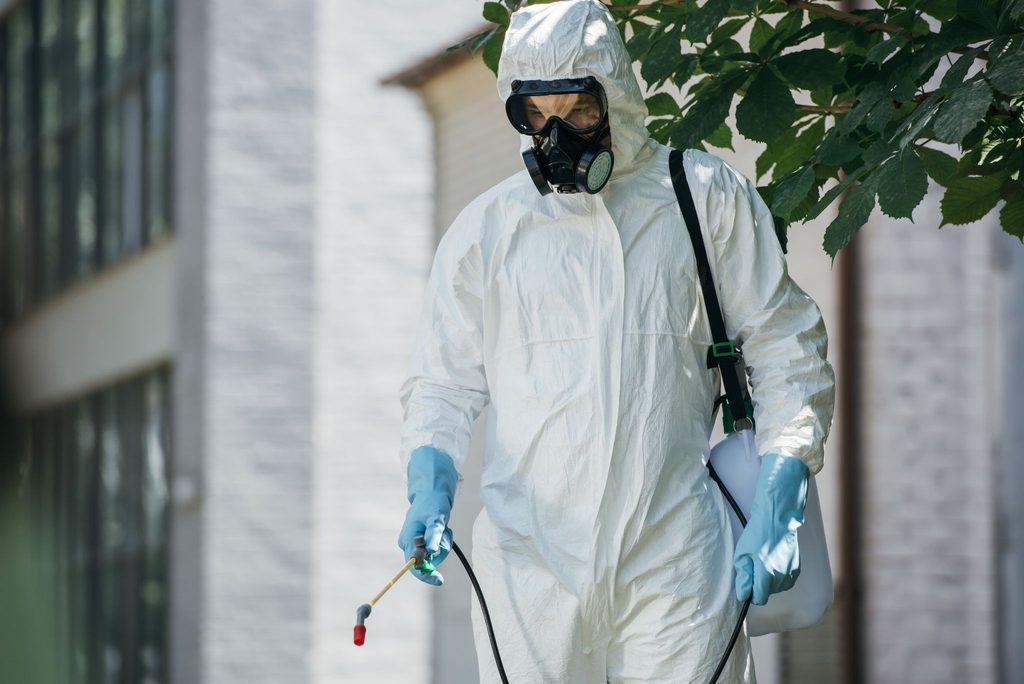
Pest problems rarely stay small once insects or rodents find dependable food and shelter. Homes can face damaged belongings, contaminated surfaces, and stressful encounters with unwanted pests. Businesses may also experience inventory losses, customer complaints, and disruptions that affect daily operations. Professional pest control services address these concerns through inspection, targeted treatment, prevention, and ongoing monitoring. Understanding these services helps property owners choose practical protection suited to their specific risks.
What Professional Pest Control Services Provide
Professional pest control services go beyond removing pests that property owners can already see. Trained technicians investigate where activity starts and what allows it to continue. Their approach combines appropriate treatments with practical measures suited to each property. These services cover several areas that support reliable pest management and prevention.
Pest Inspection Services
A thorough inspection gives technicians the information needed to address pest activity accurately. Trained professionals examine visible problems while searching for conditions that allow infestations to develop. During each assessment, they consider property type, pest behavior, structural features, and surrounding conditions. Their findings provide a practical foundation for targeted treatment and long-term pest management.
Pest Identification and Activity Assessment
Different pests require different control methods, so accurate identification guides every treatment decision. Technicians examine droppings, nesting materials, damage patterns, tracks, shed skins, and other physical evidence. They also inspect areas where pests commonly feed, breed, hide, or travel between spaces. These observations help determine which species are present and how established the infestation has become. Accurate identification prevents unnecessary treatments that may have little effect on the actual pest problem. Property owners then receive recommendations based on evidence rather than assumptions about the infestation.
Entry Point and Risk Factor Inspection
Many pest problems begin with small structural openings that property owners rarely notice. Technicians check doors, windows, utility penetrations, vents, foundations, rooflines, and other possible access points. They also look for moisture, clutter, food residue, damaged materials, and sheltered nesting locations. These conditions often explain why pests continue returning after basic removal attempts fail. Locating contributing factors allows professionals to address more than visible signs of an infestation. Residential and commercial properties receive recommendations for reducing access, shelter, food, and water sources.
Customized Pest Treatment Programs
Effective treatment depends on the pest, infestation level, property layout, and surrounding conditions. A tailored service considers these factors before selecting products, equipment, and treatment locations. Customized planning also helps technicians avoid unnecessary applications in areas without meaningful pest activity. The resulting program targets existing problems while supporting efficient long-term pest management.
Pest-Specific Treatment Services
Pest professionals choose treatment methods according to species behavior and the infestation’s location. Options may include baits, traps, dusts, targeted sprays, exclusion materials, or other approved techniques. Ant colonies require a different approach from cockroach infestations or active rodent problems. Termite concerns also require methods designed around colony behavior and structural conditions. Technicians may combine several approaches when one method cannot adequately address the entire infestation. A tailored strategy directs treatment toward areas where pest activity requires the most attention.
Targeted Pest Control Applications
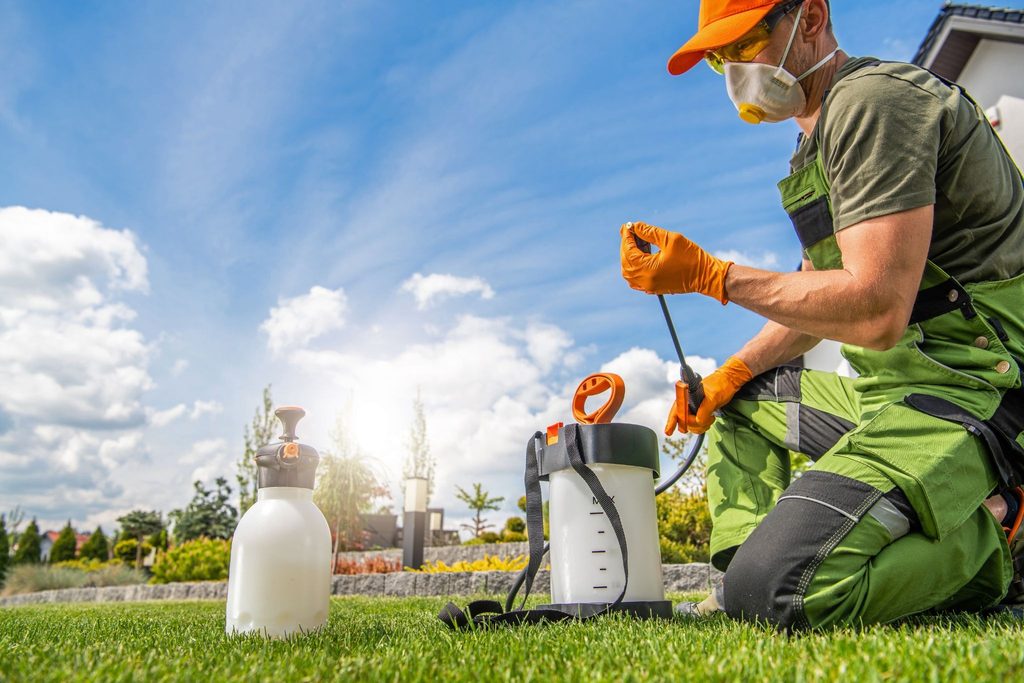
Professional technicians understand how to select, place, and apply pest control products. They follow product directions while considering occupants, pets, equipment, and sensitive areas throughout the property. Treatment may focus on cracks, crevices, nesting sites, travel routes, or exterior zones. Targeted application limits unnecessary treatment while directing control measures toward areas with documented activity. Commercial properties may require additional planning around employees, customers, food handling, or operating schedules. Careful applications help control pests without causing avoidable disruption throughout occupied properties.
Residential Pest Control Services
Household pests can interfere with comfort and damage areas families use every day. Kitchens, bathrooms, basements, attics, garages, and outdoor spaces can create attractive conditions for pests. Residential services address active infestations while identifying factors that encourage repeated pest activity. Service plans can also change as seasonal pressures and household conditions shift throughout the year.
Common Household Pest Treatments
Homes can attract ants, cockroaches, spiders, rodents, termites, and many other unwanted pests. Each species searches for particular combinations of food, moisture, shelter, and suitable nesting areas. Technicians use knowledge of these behaviors to locate activity and select appropriate control methods. Treatment can address interior infestations while reducing pest pressure around the home’s exterior. Professionals may also recommend sanitation, storage, moisture, or maintenance changes that strengthen prevention efforts. Combining treatment with practical adjustments provides a more complete response to recurring household pest concerns.
Seasonal Home Pest Prevention
Pest pressure changes throughout the year as temperatures, rainfall, food availability, and breeding cycles shift. Some insects become more active during warmer months, while rodents may seek indoor shelter later. Technicians can adjust monitoring and treatment based on predictable seasonal activity at each property. Exterior inspections may uncover developing problems before pests establish nests or colonies indoors. Scheduled service also helps detect new vulnerabilities caused by weather, landscaping, or property changes. Seasonal prevention helps homeowners respond before minor pest activity develops into a larger infestation.
Commercial Pest Management Services
Pest activity can create costly problems for businesses, facilities, employees, customers, and stored products. Different industries also face specific risks based on operations, storage, traffic, and building conditions. Commercial services address those risks instead of applying a one-size-fits-all approach across every property. Regular monitoring and responsive treatment help businesses maintain cleaner, more dependable work environments.
Business Property Pest Programs
Commercial pest programs account for building size, operating hours, sensitive areas, and industry requirements. Technicians inspect storage rooms, kitchens, loading areas, offices, utility spaces, and exterior surroundings. They identify conditions that could attract rodents, insects, or other pests to the property. Treatment schedules can minimize interference with employees, customers, deliveries, and normal business activities. Detailed service records may also help businesses track recurring activity and completed corrective measures. Consistent professional attention makes pest management easier in busy, complex commercial environments.
Commercial Pest Monitoring Services
Commercial pest management works best when technicians identify problems before infestations become widespread. Monitoring devices can reveal pest movement, population changes, and activity in vulnerable areas. Routine inspections also help technicians identify sanitation, moisture, storage, or structural issues that need attention. Service recommendations can change when pest patterns, building conditions, or seasonal pressures create new risks. This ongoing process gives property managers useful information for making timely maintenance decisions. Preventive monitoring can reduce unexpected infestations that might disrupt operations or affect customer confidence.
Gopher, Mole, and Vole Control Services
Burrowing pests can damage lawns, gardens, landscaping, and other maintained outdoor areas. Gophers, voles, and moles cause different damage, so technicians first identify the responsible pest. Specialized control targets active areas while considering landscape conditions, property use, and recurring activity. Correct identification helps technicians select control methods suited to each animal’s feeding and movement habits.
Gopher Control Services
Gophers create underground tunnel systems that can spread across lawns and commercial landscapes. Their digging may produce soil mounds while damaging roots, plants, irrigation lines, and turf. Technicians inspect mound patterns and tunnel activity to locate areas that gophers currently use. They can then develop a control strategy suited to the property’s size and conditions. Follow-up inspections help determine if activity continues or moves into another section of the grounds. Prompt control can limit expanding tunnel networks and reduce additional landscape damage over time.

Gopher Trapping Services
Gopher traps provide a targeted control option when technicians can locate active underground tunnels. Proper placement matters because unused tunnels offer little opportunity for successful trapping. Professionals examine fresh mounds and tunnel patterns before selecting suitable locations for each trap. They also check devices according to the service plan and adjust placement when necessary. This trapping method can address individual gophers without broad treatment across the surrounding landscape. Continued monitoring remains valuable because neighboring gophers may later occupy previously cleared tunnel systems.
Vole Control Services
Voles typically create surface runways and shallow burrows instead of deep gopher tunnel networks. They may feed on grasses, roots, bulbs, seedlings, bark, and other plant material. Technicians look for narrow pathways, gnaw marks, burrow entrances, and damaged vegetation during inspections. Vole control may combine habitat modification, trapping, exclusion, and other appropriate management methods. Reducing dense ground cover can also make landscaped areas less favorable for continued vole activity. A focused service protects vulnerable vegetation while addressing conditions that support repeated infestations.
Mole Control Services
Moles create underground tunnels while searching for earthworms and other soil-dwelling food sources. Their activity can leave raised ridges, disturbed turf, and noticeable soil mounds across landscaped areas. Technicians examine tunnel patterns and fresh ground disturbance to determine where moles remain active. Mole control may involve specialized traps positioned within frequently used tunnels for targeted removal. Professionals can monitor treated areas and adjust trap placement when activity shifts to other tunnels. Timely control helps limit additional tunneling and protects lawns from continued surface disruption.
Mosquito Control Services
Mosquitoes can make patios, yards, entrances, and commercial outdoor areas difficult to use comfortably. Their populations often increase around standing water and protected locations where adults can rest. Mosquito management targets breeding opportunities alongside places where adult activity remains concentrated. A coordinated service can reduce local populations more effectively than occasional treatment alone.
Mosquito Breeding Site Inspections
Mosquito management begins with identifying water sources that may support immature mosquito development. Technicians inspect containers, drainage areas, gutters, landscape features, and other places where water collects. Even small water accumulations can become productive breeding sites under favorable environmental conditions. Professionals can recommend drainage, maintenance, or water-management changes based on inspection findings. Removing manageable breeding sources interrupts part of the mosquito life cycle around the property. Regular inspections remain useful because rainfall and property activities can quickly create new water sources.
Targeted Mosquito Treatment Services
Mosquito treatments focus on locations where adult mosquitoes commonly rest or remain active. Technicians consider vegetation, shade, moisture, breeding conditions, and property use before selecting treatment areas. Appropriate applications can reduce mosquito pressure around frequently used residential and commercial outdoor spaces. Treatment timing may change according to weather, seasonal activity, and local mosquito population patterns. Professionals may combine targeted applications with source reduction for more comprehensive mosquito management. Continued service can maintain control when environmental conditions repeatedly support mosquito activity.
Non-Toxic Pest Control Services
Some property owners prefer management strategies that minimize or avoid conventional pesticide applications. Non-toxic services can use physical, mechanical, sanitation, exclusion, and habitat-based pest management methods. The right approach depends on the species because no single method works for every infestation. Technicians can recommend suitable options and explain when additional control measures may become necessary.
Pest Exclusion and Physical Barriers
Exclusion prevents pests from entering buildings through gaps, cracks, openings, and damaged structural components. Technicians can identify likely access points around foundations, doors, vents, pipes, windows, and roof areas. Sealing appropriate openings can reduce opportunities for rodents and many crawling pests to enter. Screens, door sweeps, barriers, and repairs may also support a broader prevention strategy. Physical controls address pest access rather than depending solely on products after pests enter buildings. Regular inspections can identify new openings as materials deteriorate or property conditions change.
Trapping and Habitat Management Services
Trapping provides a non-toxic option for certain pests when technicians select suitable devices and locations. Habitat changes can complement trapping by reducing food, shelter, moisture, or favorable nesting conditions. Professionals may recommend improved storage, vegetation management, waste practices, or moisture correction around affected properties. These adjustments make properties less supportive of persistent pest populations and repeated activity. Monitoring also shows whether physical controls and habitat changes are producing the intended results. Combining these methods creates a practical option for properties seeking reduced pesticide dependence.
Preventive Pest Maintenance Plans
Pest management does not always end when visible insects, rodents, or burrowing pests disappear. Properties continually change through weather, landscaping, repairs, deliveries, occupancy, and normal daily activity. Preventive maintenance helps technicians identify new pest pressures before they become harder to manage. Residential and commercial service plans can reflect each property’s history, environment, and exposure level.
Routine Pest Inspection Services
Scheduled inspections give technicians opportunities to detect subtle pest activity throughout the year. Professionals can compare current findings with previous visits to identify emerging patterns or recurring areas. They may notice new entry points, moisture conditions, landscape changes, or sanitation concerns during service. Early attention often allows simpler corrective measures before pest populations spread across the property. Inspection frequency can reflect seasonal conditions, previous infestations, property use, and surrounding pest pressures. Consistent observation creates a useful record that supports better pest management decisions over time.
Exterior Pest Prevention Services
Many indoor infestations begin outside, making exterior conditions an important focus for prevention. Technicians inspect foundations, vegetation, drainage areas, waste locations, utility openings, and other potential pest zones. Treatments or physical controls can target locations where pests approach buildings or establish nearby shelter. Landscape recommendations may address standing water, debris, overgrowth, or conditions supporting gophers and voles. This exterior service can reduce pest pressure before insects or rodents enter occupied spaces. Preventive work also complements non-toxic methods that rely on exclusion and habitat modification.
Protect Your Property With Expert Pest Control
Pest activity becomes more expensive and disruptive when warning signs go unanswered. Professional service gives property owners a practical way to address problems before conditions worsen. Timely attention can protect buildings, landscapes, outdoor spaces, and everyday operations from preventable pest damage. Contact a qualified pest control company when activity appears, and address the problem at its source.
Find straightforward guidance for managing pests and protecting your property when you explore the SoCal Gophers LLC blog.