
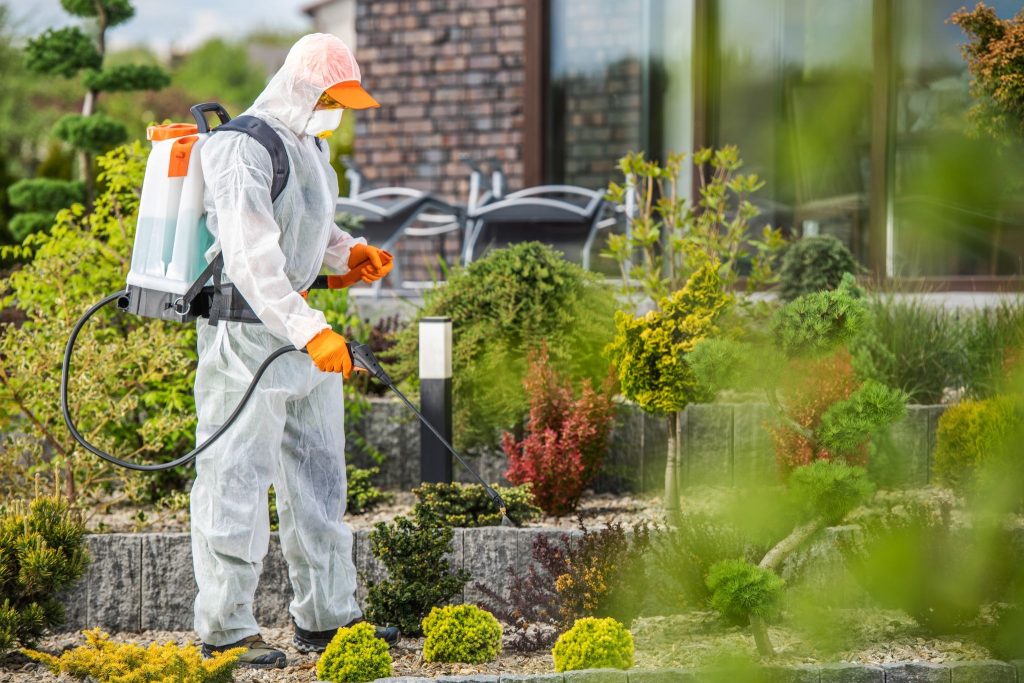
Pests rarely stay in one place once they enter a property. They spread quietly through walls, storage areas, kitchens, and outdoor areas, causing damage that often goes unnoticed. Homeowners and business owners face growing concerns about contamination, property deterioration, and costly repairs associated with infestations. Pest control services offer a practical way to manage these threats before they disrupt daily life and property conditions. Strong pest management practices help properties remain cleaner, safer, and more comfortable year-round.
Understanding Pest Control Services
Pest activity affects homes, offices, warehouses, restaurants, and retail buildings every season. Many infestations begin in hidden areas where moisture, food, and shelter remain accessible for long periods. Property owners often notice problems after pests have already spread through walls, ceilings, or outdoor structures. Understanding how pest control works helps people make informed decisions before damage becomes more severe.
What Pest Control Means for Properties
Pest control refers to the process of removing and preventing unwanted insects, rodents, and wildlife. These services focus on protecting structures, indoor environments, and outdoor spaces from harmful infestations. Professional treatments target pests while reducing risks to residents, employees, and customers. Technicians inspect affected areas to identify nesting spots, food sources, and entry points. They also create treatment plans suited to the property’s condition and infestation level. Consistent pest management reduces recurring issues while improving sanitation and indoor comfort.
Why Pest Problems Continue Growing
Many pests survive because buildings provide year-round warmth, food, and moisture. Small cracks near pipes, windows, roofs, and foundations often become hidden access points. Cluttered storage areas create safe nesting locations for insects and rodents. Poor drainage and standing water also attract mosquitoes, termites, and cockroaches. Outdoor landscaping problems may increase pest pressure around residential and commercial buildings. Gophers, for example, damage lawns and underground utility lines through extensive tunneling activity.
Prevention and Elimination Differences
Prevention focuses on stopping infestations before pests settle inside the property. Extermination addresses active infestations through targeted treatments and monitoring. Preventive services include inspections, sealing openings, and improving environmental conditions to reduce pest attraction. Elimination services may involve traps, bait systems, pesticides, or specialized removal techniques. Property owners benefit from combining both approaches because pests often return without ongoing protection. This balanced strategy lowers repair costs and reduces disruptions across living and working environments.
Common Pests in Homes and Businesses
Different pests create different problems depending on the building type and the surrounding environment. Some pests contaminate food and surfaces, while others weaken structural materials over time. Residential and commercial properties often face multiple infestations simultaneously, especially during warmer seasons. Identifying common pest categories helps property owners respond faster when warning signs appear.
Insects That Damage Indoor Spaces
Cockroaches spread bacteria across kitchens, bathrooms, and food preparation areas. Ants invade buildings in search of water and sugary food sources near storage areas. Termites weaken wood structures slowly, which often leaves damage unnoticed for extended periods. Bed bugs spread quickly through furniture, fabrics, and shared commercial environments such as hotels and offices. Mosquitoes create outdoor discomfort while heightening concerns about disease transmission and standing water. Professional treatment methods target the infestation sources rather than treating only visible insects.

Rodents and Wildlife Problems
Rats and mice chew wiring, insulation, and drywall while nesting inside hidden spaces. Rodent activity also increases fire hazards because damaged wires may spark behind walls or ceilings. Wildlife intrusions often involve squirrels, raccoons, birds, and bats entering attics and crawl spaces in search of shelter. These pests damage roofing materials, ventilation systems, and indoor areas with droppings and debris. Gophers, moles, and voles create underground tunnels that damage lawns, irrigation lines, soil stability, and plant roots. Professional pest control companies use targeted treatments and exclusion methods to safely manage these infestations.
Seasonal Pest Activity Changes
Seasonal weather patterns strongly influence pest movement and breeding behavior throughout the year. During colder months, rodents search for indoor warmth and readily available food. Warmer temperatures increase mosquito activity, termite swarms, and ant infestations around buildings. Heavy rainfall may also drive pests indoors after outdoor nesting areas become flooded. Dry conditions often push wildlife toward residential areas in search of water. Understanding seasonal patterns helps property owners schedule inspections before infestations intensify.
Modern Pest Control Methods
Modern pest management combines preventive strategies with targeted treatment techniques for better long-term results. Property owners now expect safer treatments that reduce environmental impact without sacrificing effectiveness. Pest professionals use advanced tools, monitoring systems, and customized service plans during inspections and treatments. These methods improve treatment precision while reducing unnecessary chemical exposure inside occupied buildings.
Inspection and Monitoring Systems
Every successful pest treatment begins with a detailed property inspection process. Technicians examine interior and exterior spaces for droppings, damage, nesting materials, and moisture problems. Monitoring devices help identify hidden pest activity behind walls and inaccessible structural areas. Regular inspections also reveal recurring conditions attracting insects and rodents over time. Property owners receive recommendations addressing sanitation, structural repairs, and environmental concerns. Continuous monitoring helps technicians evaluate treatment performance and prevent recurring infestations.
Chemical Pest Treatment Options
Professional pesticide applications target pests while following strict safety standards and industry regulations. Technicians apply treatments carefully around entry points, nesting areas, and infestation zones. Modern products focus on specific pests rather than affecting broad indoor environments unnecessarily. Bait systems attract insects and rodents while limiting direct exposure to residents and pets. Some treatments interrupt breeding cycles, which helps reduce infestation growth over time. Licensed professionals understand how to apply these materials safely and effectively across different property types.
Eco-Friendly Pest Solutions
Many property owners prefer environmentally conscious pest control methods that rely less on chemicals. Integrated Pest Management programs combine prevention, monitoring, and low-impact treatments for balanced control. Heat treatments eliminate bed bugs without relying heavily on pesticides or chemical residue. Exclusion techniques block entry points while reducing long-term infestation risks around buildings. Natural repellents and habitat modifications also discourage pests from settling near properties. These methods support cleaner indoor environments while maintaining reliable pest protection standards.
Outdoor Pest and Gopher Control
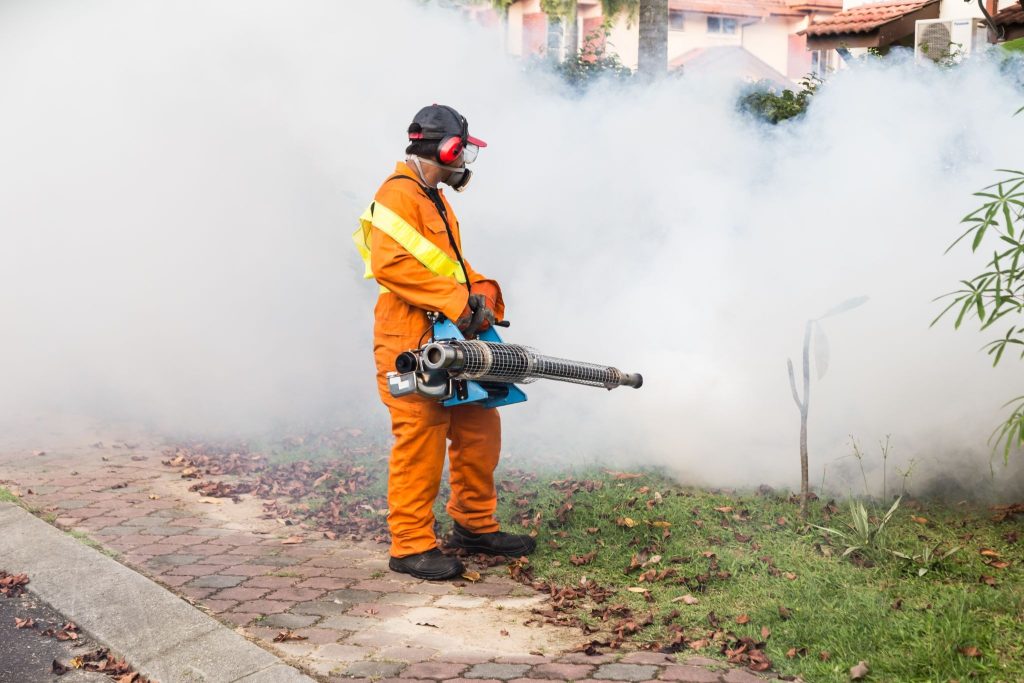
Outdoor pest management protects landscaping, gardens, walkways, and surrounding property structures. Gophers create widespread lawn damage through extensive underground tunnel systems and feeding activity. Their burrowing weakens soil stability near pathways, irrigation systems, and outdoor utility lines. Pest technicians use specialized traps and monitoring methods to effectively control underground rodent populations. Outdoor treatments may also target mosquitoes, ants, ticks, and stinging insects around gathering areas. Routine maintenance keeps outdoor spaces cleaner, safer, and more visually appealing throughout changing seasons.
Benefits of Professional Pest Control
Professional pest control provides more than temporary relief from insects and rodents. Reliable service plans support cleaner properties, reduce health concerns, and lower repair expenses. Property owners also benefit from expert inspections that identify hidden risks before conditions worsen. Long-term pest management creates more stable indoor and outdoor environments across residential and commercial properties.
Protects Property Conditions
Termites and rodents often damage structural materials long before owners notice visible warning signs. Wooden beams, insulation, drywall, and electrical wiring are constantly at risk during active infestations. Pest control services help preserve building materials through targeted prevention and treatment plans. Outdoor pest management protects landscaping investments from burrowing animals and destructive insects. Routine inspections identify developing problems before repair costs become overwhelming for property owners. Cleaner and healthier properties also maintain stronger long-term market value.
Supports Healthier Indoor Spaces
Pests spread bacteria, allergens, and contaminants across surfaces used daily by residents and employees. Cockroaches and rodents often trigger respiratory problems through droppings, hair, and nesting debris. Mosquitoes and ticks increase concerns about bites and disease transmission around outdoor areas. Professional pest services reduce these risks through consistent monitoring and treatment programs. Cleaner indoor conditions improve comfort levels for families, workers, customers, and visitors alike. Businesses also protect their reputations when pest problems are properly controlled.
Saves Time and Reduces Stress
Many property owners struggle with recurring infestations after using temporary store-bought treatments repeatedly. Professional services address the sources of infestation rather than temporarily masking visible pest activity. Technicians understand pest behavior patterns, nesting habits, and environmental conditions attracting infestations. This experience helps treatments produce stronger and longer-lasting results across affected areas. Scheduled service plans also reduce the stress associated with unexpected infestations and emergency repairs. Reliable pest management allows owners to focus more confidently on daily responsibilities and property operations.
Signs You Need Pest Control
Pest infestations rarely disappear without proper treatment and environmental corrections. Many warning signs begin subtly before becoming widespread problems affecting larger areas of property. Property owners who recognize these indicators early often avoid more severe structural and sanitation damage. Understanding these signs helps people respond before infestations become more difficult to manage.
Visible Pest Warning Signs
Droppings near cabinets, storage areas, or baseboards often indicate active rodent activity indoors. Gnaw marks on wires, cardboard, and furniture suggest rodents are continuing to nest nearby. Cockroaches appearing during daylight hours may signal overcrowded infestations hidden behind walls. Strange odors sometimes develop from urine, nesting materials, or dead pests within structural spaces. Grease marks along walls also indicate frequent rodent movement inside buildings. These visible signs usually indicate larger, hidden infestations that require professional inspection and treatment.
Strange Sounds and Structural Clues
Scratching sounds inside ceilings or walls often reveal rodents or wildlife moving through hidden spaces. Bubbling paint and hollow wood may indicate termite damage developing beneath surfaces. Small dirt piles near foundations sometimes suggest underground pest activity around the property perimeter. Gopher tunnels and raised soil lines often appear unexpectedly throughout lawns and landscaped areas. Electrical issues may develop after rodents chew wiring hidden behind drywall or insulation. Structural warning signs deserve immediate professional attention before property damage spreads further.
Outdoor Activity Around Buildings
Outdoor pest activity frequently increases before infestations move deeper into buildings and storage areas. Ant trails near foundations often lead toward kitchens, utility spaces, or garbage disposal locations. Mosquito populations rise rapidly around standing water and poorly drained landscaping sections. Bird nests near vents and rooftops may introduce parasites and contamination into nearby indoor areas. Gopher holes often appear across lawns, gardens, and irrigation zones after underground tunnel expansion. Routine outdoor inspections help property owners identify these risks before indoor infestations develop.
Prevent Costly Damage With Pest Control
Pest activity rarely slows down without proper intervention, and hidden infestations often spread faster than expected. Rodents, termites, cockroaches, and gophers continue to damage structures, contaminate indoor spaces, and disrupt daily operations while remaining unnoticed behind walls or underground. Professional pest control helps property owners achieve cleaner environments, reduce costly repairs, and maintain healthier living and working conditions year-round. A well-maintained property starts with consistent protection against the pests already searching for their next place to settle.
Find reliable answers, prevention advice, and professional pest control insights on the SoCal Gophers LLC blog today.