
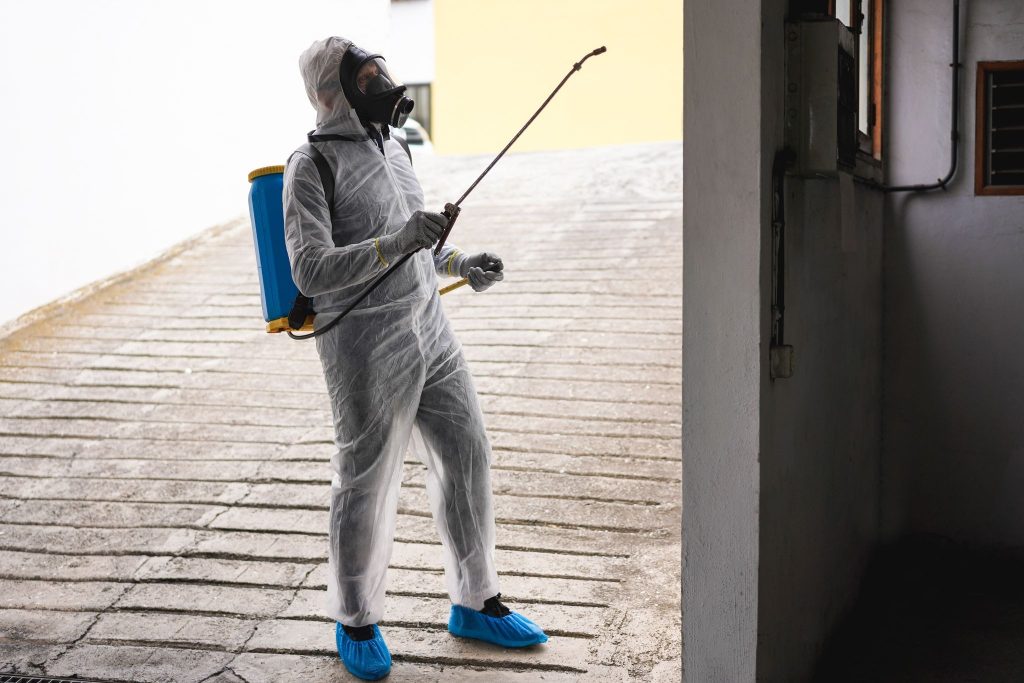
A pest problem rarely stays small for long. What begins as a few insects, a rodent in the attic, or fresh tunnels across the lawn can quickly turn into property damage and ongoing frustration. Choosing the right pest professional makes a significant difference because effective pest control starts with accurate identification and thoughtful planning, not simply applying products. A qualified technician understands how different pests behave and recommends solutions that fit the situation instead of relying on the same treatment every time. Knowing what to look for helps you hire someone who can solve today’s problem while helping reduce the chances of another infestation later.
Finding the Right Pest Control Professional
Not all pest control services deliver the same level of expertise or long-term results. The person inspecting your property should have the knowledge to identify the problem accurately before recommending any treatment. Several qualities can help you recognize a skilled technician who will protect your home and address the infestation effectively.
Strong Training and Verified Credentials
Professional pest control requires knowledge that goes well beyond removing visible pests. Every property presents different conditions, so professionals need the skills to identify the source before recommending treatment. Looking at a technician’s qualifications gives you a clearer picture of the service you can expect.
Proper Licensing Demonstrates Competence
A licensed pest control professional has completed the training required to apply treatments safely and responsibly. Licensing also shows they understand industry regulations, approved products, and proper application methods. Many states require ongoing education, so licensed professionals continue learning as treatment methods evolve. That continued training helps them stay current with changing products, pest behavior, and environmental practices. Asking about licensing should be one of your first questions because it quickly verifies professional qualifications. It also provides greater confidence that your home will receive appropriate care.
Commitment to Continuing Education
Pest management changes as new products, research, and treatment strategies become available. Professionals who continue their education often deliver better recommendations because they understand current industry practices. Some also receive manufacturer training or belong to professional pest management associations that support ongoing learning. That additional knowledge helps them recognize newer pest trends and treatment options before they become common. Homeowners benefit from solutions based on current information rather than outdated habits. A commitment to learning often reflects a commitment to providing better service.
Experience With Many Pest Species
Experience becomes especially valuable when different pests require different control methods. Ants, termites, cockroaches, rodents, mosquitoes, bed bugs, and wasps each create unique challenges that call for different approaches. The same applies to burrowing animals such as moles, gophers, and voles because each damages landscapes in different ways. A skilled professional understands those differences and identifies the pest before recommending any treatment. That careful evaluation reduces unnecessary applications and improves the chances of lasting results. Broad experience also allows professionals to adapt when more than one pest problem exists at the same property.
Accurate Pest Identification Skills
No single treatment works for every pest because their habits, food sources, and nesting areas vary widely. Termites often remain hidden inside wood, while rodents leave droppings and gnaw marks throughout a structure. Moles create raised surface tunnels, gophers leave fan-shaped soil mounds, and voles carve shallow runways through grass and mulch. Recognizing those signs helps professionals select the right treatment from the beginning. Accurate identification also prevents wasting time and money on ineffective solutions. Good pest control starts with understanding exactly what needs to be controlled.
Thorough Property Evaluation
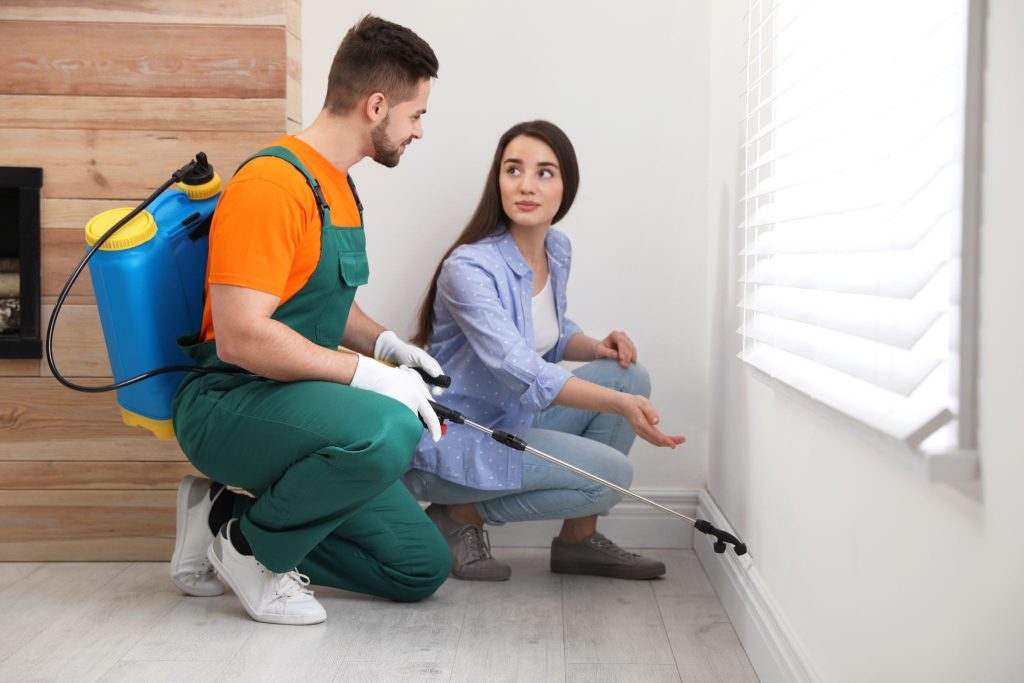
Successful pest control begins long before treatment starts. A detailed inspection reveals why pests appeared and what conditions allow them to remain. That information helps create a treatment plan that addresses the cause instead of only the symptoms.
Careful Inspection Habits
Many infestations develop quietly before homeowners notice visible damage. A qualified professional looks for entry points, nesting areas, moisture problems, damaged materials, food sources, and other conditions that attract pests. They also inspect areas that homeowners may overlook, including crawl spaces, attics, basements, utility lines, and landscaping. That complete evaluation provides a clearer understanding of the infestation. It also reduces the risk of missing hidden activity that could continue after treatment. Thorough inspections often separate experienced professionals from those who spray and leave.
Ability to Recognize Infestation Signs
Experienced professionals recognize clues that reveal both the pest species and the severity of the problem. They may find droppings, shed skins, grease marks, nesting materials, damaged wood, soil tunnels, chewed wiring, or plant damage. Outdoor inspections can also uncover signs of burrowing animals, including fresh mounds from gophers, raised tunnels from moles, or narrow surface runways created by voles. Each discovery helps narrow the diagnosis before treatment begins. A professional should explain these findings in plain language rather than relying on technical terms. That conversation helps homeowners understand exactly what is happening on their property.
Customized Treatment Planning
Every home has different construction, landscaping, and environmental conditions. Those differences affect how pests enter, hide, and reproduce throughout the property. An experienced professional adjusts the treatment plan instead of offering identical services to every customer. They explain why certain products, traps, exclusion methods, or monitoring techniques fit your situation. Personalized recommendations usually provide better long-term control than generic treatments. That approach also gives homeowners greater confidence in the proposed solution.
Focus on Long-Term Prevention
Removing active pests solves only one part of the problem. Long-term protection depends on reducing the conditions that attracted them in the first place. The best professionals treat today’s infestation while helping prevent tomorrow’s.
Practical Prevention Recommendations
Professional pest control includes practical recommendations that homeowners can follow after treatment. A professional may suggest sealing small openings, improving drainage, trimming vegetation, storing food properly, or reducing standing water. Those simple changes remove many of the conditions that attract insects and rodents. Lawn recommendations may also discourage moles, gophers, and voles from returning to the same areas. Prevention works alongside treatment rather than replacing it. Small improvements today often reduce future pest problems.
Integrated Pest Management Knowledge
Many professionals use Integrated Pest Management, commonly called IPM, because it focuses on long-term control instead of repeated treatments alone. This approach combines inspections, monitoring, habitat changes, exclusion techniques, and carefully selected products when necessary. Chemical treatments become only one part of a broader strategy, not the entire solution. That balanced approach often reduces unnecessary pesticide use while maintaining effective pest control. It also addresses the conditions that allowed pests to thrive in the first place. Homeowners benefit from a solution that looks beyond immediate results.
Realistic Treatment Expectations
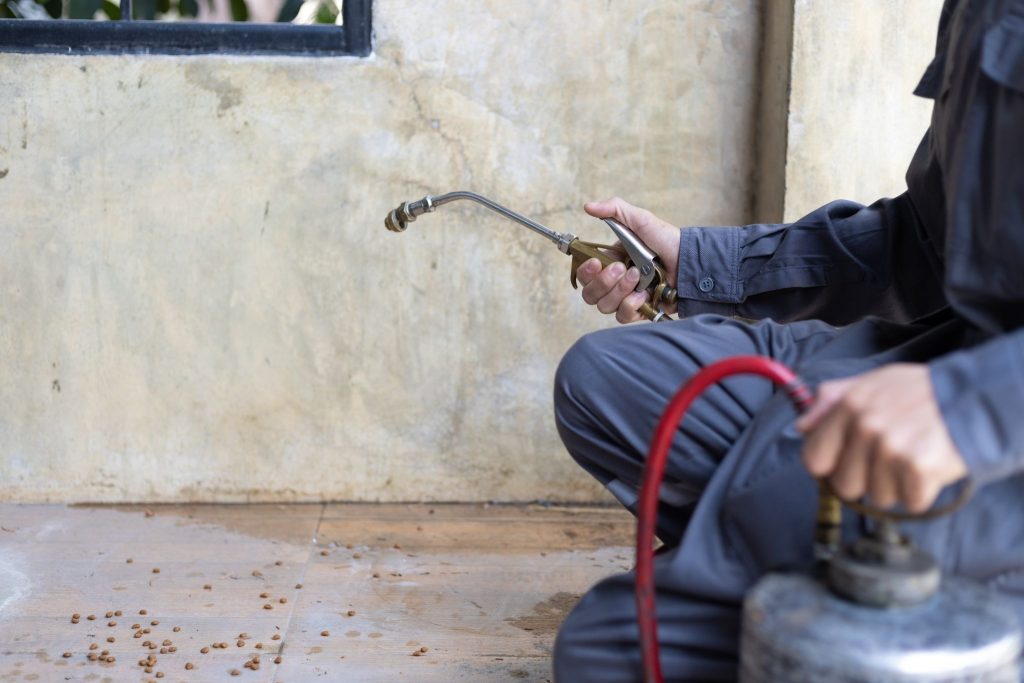
Many homeowners expect pests to disappear immediately, but results depend on the pest species and the extent of the infestation. Some problems improve within days, while others require follow-up visits and continued monitoring. A trustworthy professional explains realistic timelines before treatment begins. They also describe signs that indicate the treatment is working and what homeowners should watch for afterward. Clear expectations help prevent confusion and unnecessary concern. Honest communication remains one of the strongest signs of professional service.
Clear and Honest Communication
Technical knowledge matters, but good communication makes the entire service experience much easier. Homeowners should understand what was found, why the infestation developed, and how the recommended treatment will address it. Clear explanations build trust and help customers make informed decisions without feeling pressured.
Clear Explanations Every Step
A reliable professional explains pest problems in language that is easy to understand. They describe how pests entered the property, where they are active, and why a specific treatment is recommended. They should also answer questions patiently instead of relying on technical terms or vague promises. That conversation helps homeowners understand the process before any work begins. Open communication also makes it easier to follow prevention recommendations after treatment. People are more likely to feel confident when they understand what is happening inside and around their homes.
Honest Recommendations Without Pressure
Every infestation requires a different level of service, so recommendations should match the actual problem. Ethical professionals suggest treatments because they are necessary, not because they increase the final bill. They explain the benefits and limitations of each option without pushing unnecessary upgrades. That transparency allows homeowners to compare services with confidence. Honest recommendations also build long-term customer relationships instead of one-time sales. Trust often becomes the reason customers return when future pest issues arise.
Safe and Responsible Practices
Effective pest control should solve the problem without creating unnecessary risks around your home. Skilled professionals carefully evaluate each situation before selecting products or treatment methods. Safe practices protect your family, pets, landscaping, and the surrounding environment while delivering effective results.
Thoughtful Product Selection
Different pests require different treatment methods, so product selection should never be automatic. Experienced professionals consider the pest species, infestation level, treatment location, and surrounding conditions before making recommendations. They also explain why a particular product or technique offers the best solution. That explanation helps homeowners understand both the process and the expected results. Responsible product selection often produces better outcomes with fewer unnecessary applications. Careful planning remains one of the hallmarks of professional pest management.
Clear Safety Guidance
Property owners should never leave a service visit with unanswered safety questions. Qualified professionals explain any temporary precautions before treatment begins and provide clear instructions afterward. They discuss topics such as reentry times, pet safety, ventilation, or areas that should remain undisturbed. That guidance helps families avoid unnecessary risks while treatments take effect. Written instructions also provide a helpful reference after the professional leaves. Clear communication supports both safety and successful treatment results.
Effective Exclusion Methods
Professional pest control often includes exclusion methods that keep pests from returning. These techniques may involve sealing cracks, repairing damaged screens, closing gaps around utility lines, or blocking other common entry points. Outdoor recommendations can also reduce access to burrowing pests by addressing damaged landscaping or attractive nesting areas. Exclusion works together with treatment to create longer-lasting protection. It also reduces opportunities for new infestations to develop. Preventing entry is often just as valuable as removing active pests.
Proven Reputation and Reliability
The quality of a pest control company often becomes clearer before the first appointment. Customer experiences, online reviews, and local reputation provide valuable insight into how a business operates. Taking a few extra minutes to research a company can help you choose with greater confidence.
Consistently Positive Customer Feedback
Online reviews reveal patterns that advertisements rarely mention. Positive feedback often highlights professionalism, communication, punctuality, and successful treatments. Reading several reviews provides a more balanced view than relying on a single opinion. Pay attention to how the company responds to customer concerns as well. Respectful responses often reflect a commitment to customer service. Consistent positive experiences usually indicate dependable performance.
Familiarity With Local Pest Problems
Professionals who regularly work in the area often recognize seasonal pest patterns more quickly. They understand which insects, rodents, and wildlife commonly affect local homes throughout the year. They also know how changing weather and landscaping conditions influence pest activity. That familiarity helps them identify problems sooner and recommend more practical solutions. Experience with moles, gophers, and voles also becomes valuable in neighborhoods where lawn damage is common. Local knowledge adds another layer of confidence when choosing a service provider.
Dependable Follow-Up Support
Some pest problems require more than one visit to achieve lasting control. Reputable companies explain their follow-up process before treatment begins instead of waiting until problems return. They discuss monitoring, retreatment policies, and situations that may require additional service. That ongoing support helps homeowners know exactly what to expect after the initial visit. Companies that stand behind their work often build stronger customer relationships over time. Continued service reflects confidence in both their professionals and their treatment plans.
Work With the Right Pest Control Technician
Choosing the right pest control technician is an investment in your home’s long-term protection, not just a solution for today’s infestation. An experienced professional combines accurate inspections, safe treatment methods, and practical prevention strategies to address the root of the problem instead of only the visible signs. Work with a trusted pest control technician who can provide lasting solutions for insects, rodents, termites, wildlife, moles, gophers, voles, and other unwanted pests while helping protect your property for years to come.
Find practical pest control insights before your next service visit. Explore the latest tips, expert advice, and property owner resources on the SoCal Gophers LLC blog.